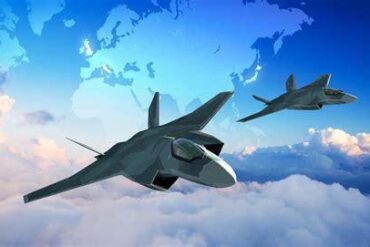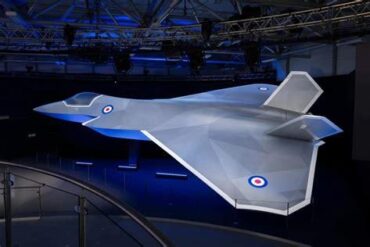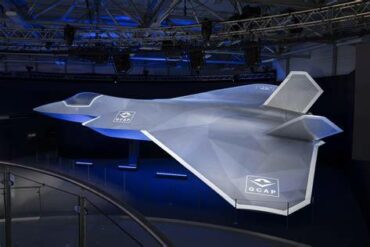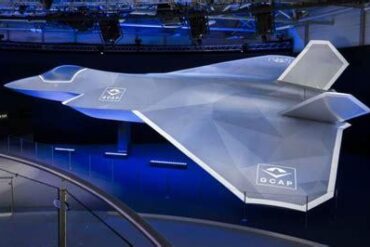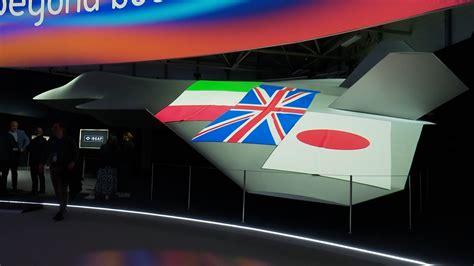
The Global Combat Air Programme (GCAP) was envisioned as a bold leap into the future of air dominance—a sixth-generation fighter ecosystem designed to redefine warfare in the skies. Spearheaded by the United Kingdom, Japan, and Italy, the initiative merged Britain’s Tempest ambitions with Japan’s F-X program into a single, formidable project. Yet today, what once symbolized strategic unity is increasingly strained by budgetary uncertainty, diverging priorities, and geopolitical recalibration.
At the heart of the tension lies a growing frustration in Tokyo. Japan, facing a rapidly evolving security environment in East Asia, is deeply concerned that delays in British defense funding commitments could derail the program’s ambitious timelines. With a target to field the aircraft by 2035, even minor setbacks risk cascading into strategic vulnerability.
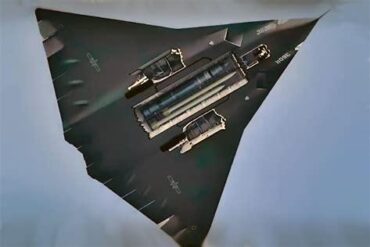
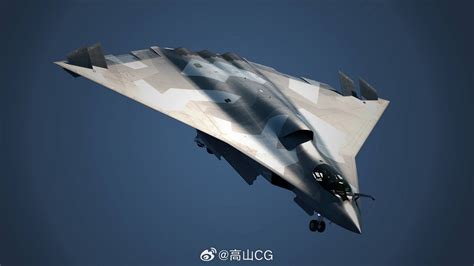
The stakes are not abstract. With China already testing next-generation platforms such as the J-36 and J-50 prototypes, any delay in GCAP is not merely a scheduling issue—it is a potential shift in the global balance of air power.
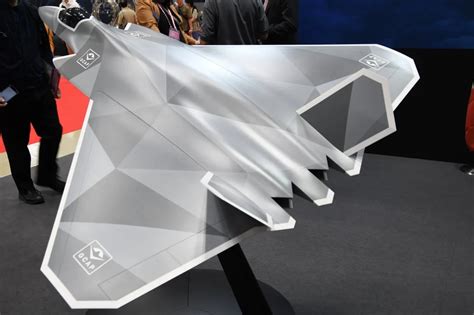
GCAP’s Strategic Vision: A Sixth-Generation Revolution
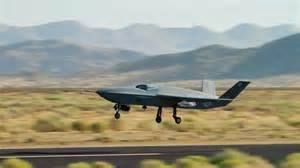
GCAP is far more than a traditional fighter jet program. It represents a system-of-systems approach, integrating manned aircraft with AI-enabled drones, advanced sensors, and network-centric warfare capabilities. This vision places it in direct competition with Europe’s FCAS and emerging Chinese platforms.
Industrial leadership reflects the program’s global weight:
- BAE Systems (UK)
- Leonardo (Italy)
- Mitsubishi Heavy Industries (Japan)
Together, these giants formed the joint venture Edgewing, tasked with overseeing design, production, and delivery. The creation of Edgewing in 2025 marked a milestone—one that suggested seamless coordination and long-term commitment.
However, reality has proven more complicated. The anticipated design and development contract between Edgewing and the GCAP International Government Organisation (GIGO) has stalled, primarily due to the UK’s delayed Defence Investment Plan (DIP).
UK Budget Delays Trigger Strategic Anxiety in Japan
Japan’s frustration is neither subtle nor unfounded. The delay in the UK’s defense spending roadmap has effectively frozen critical program milestones, preventing the transition into full-scale engineering and development.
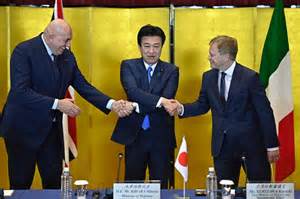
From Tokyo’s perspective, this is more than bureaucratic lag—it signals uncertainty in political will. While British leadership has offered reassurances, including high-level diplomatic engagements, these promises lack the one thing that matters most in defense procurement: funded commitments.
The consequences are immediate:
- Engineering timelines are slipping
- Industrial coordination is strained
- Confidence among partners is eroding
Japan’s urgency stems from necessity. Unlike the UK and Italy, which emphasize a flexible timeline for a broader combat ecosystem, Japan is laser-focused on deploying a next-generation fighter by the mid-2030s to counter regional threats.
This divergence in priorities is becoming increasingly difficult to reconcile.
A Race Against Time: Why 2035 Matters
The 2035 target is not arbitrary. It aligns with the expected retirement of current-generation fighters and the maturation of adversary capabilities. For Japan, any delay risks creating a capability gap—a dangerous window where its air defenses could fall behind.
China’s rapid advancements underscore this urgency. The development of sixth-generation prototypes signals a compressed innovation cycle, forcing competitors to accelerate or risk obsolescence.
In this context, GCAP is not just a procurement program—it is a strategic necessity.
Yet internal friction threatens to undermine that necessity. Reports indicate that even under current funding arrangements, UK financial contributions may run dry within weeks, further exacerbating uncertainty.
Opening the Door: India and Poland Enter the Conversation
As pressure mounts, Japan is recalibrating its long-held stance on external participation. Previously resistant to expanding the partnership—particularly over concerns about technology security and program complexity—Tokyo is now exploring new alliances.
Two countries have emerged as serious contenders: India and Poland.
India’s Strategic Calculus
India’s interest in GCAP reflects its broader ambition to bridge the technological gap in next-generation combat aviation. With its indigenous programs facing delays, New Delhi sees collaboration as a pathway to accelerate capability development.
Recent engagements between Japanese and Indian officials suggest more than casual interest. Briefings have already taken place, and discussions are advancing toward potential participation frameworks.
For India, the benefits are clear:
- Access to cutting-edge technologies
- Integration into a global defense ecosystem
- Strategic leverage in regional power dynamics
For Japan, India represents a technologically capable and strategically aligned partner—a far more attractive prospect than earlier candidates.
Poland’s Emerging Role in European Defense
Poland’s interest adds a different dimension. As one of NATO’s most rapidly modernizing militaries, Warsaw is seeking to expand its industrial and technological footprint within European defense initiatives.
High-level discussions between Polish officials and GCAP stakeholders indicate a mutual willingness to explore collaboration. While details remain limited, Poland’s entry could strengthen the program’s European pillar, particularly in manufacturing and logistics.
Crucially, the UK has signaled openness to additional partners, provided they contribute meaningful value without disrupting progress.
The Saudi Arabia Precedent—and Why It Matters
The evolving stance toward new partners contrasts sharply with Japan’s earlier resistance to Saudi Arabia’s proposed entry. Despite Riyadh’s willingness to provide substantial financial backing, Tokyo opposed the move on several grounds:
- Limited technological contribution
- Concerns over export controls
- Risks to sensitive intellectual property
This precedent highlights a critical shift. Japan is no longer rejecting new partners outright—it is selectively embracing those who align with its strategic and technological priorities.
India and Poland, in this context, represent a more balanced equation of capability and commitment.
Internal Divergence: Competing Visions Within GCAP
One of the most underappreciated challenges facing GCAP is the difference in strategic philosophy among its core members.
- The UK and Italy prioritize a flexible, evolving system integrating drones and advanced networks.
- Japan, by contrast, emphasizes timeline discipline and platform readiness.
This divergence is not merely academic—it shapes funding decisions, engineering priorities, and risk tolerance.
Without alignment, the program risks becoming overly complex and chronically delayed, undermining its original purpose.
Germany, Sweden, and the Broader European Context
The potential expansion of GCAP extends beyond India and Poland. Germany has also floated the idea of joining, particularly as it navigates internal disagreements within the Future Combat Air System (FCAS) program.
This raises intriguing possibilities:
- A consolidation of European fighter initiatives
- Increased funding and industrial capacity
- Greater political cohesion—or deeper complexity
Sweden’s earlier withdrawal from the Tempest program serves as a cautionary tale. Differences in requirements and strategic vision can quickly derail cooperation, even among close allies.
The Path Forward: Uncertainty, Opportunity, and Strategic Stakes
GCAP stands at a crossroads. The program’s success depends on resolving three critical challenges:
- Securing stable and sufficient funding, particularly from the UK
- Aligning strategic priorities among core partners
- Carefully integrating new participants without compromising efficiency
Failure on any of these fronts could transform GCAP from a flagship initiative into a cautionary tale of overambition and misalignment.
Yet the opportunity remains immense. If managed effectively, GCAP could deliver not just a fighter jet, but a new paradigm in air warfare—one that integrates human pilots, autonomous systems, and digital networks into a cohesive force.
For Japan, the stakes are existential. For the UK and Italy, they are strategic. For potential new entrants like India and Poland, they are transformative.
The coming months will determine whether GCAP evolves into a cornerstone of 21st-century defense cooperation—or becomes another ambitious project undone by the very complexities it sought to master.