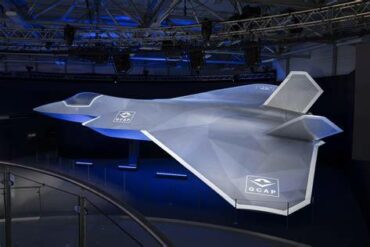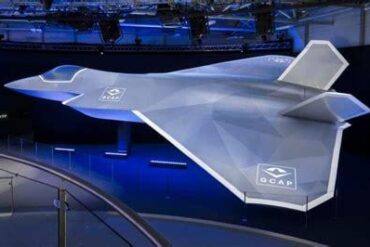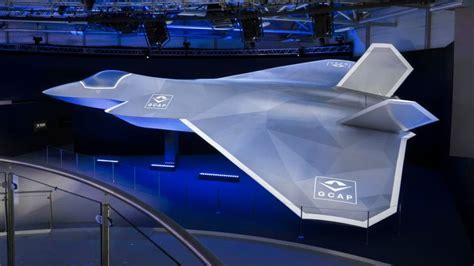
Japan finds itself at a strategic inflection point as it weighs a critical decision between continuing its commitment to the Global Combat Air Program (GCAP) or pivoting toward a bilateral defense alignment with the United States through the acquisition of the F-47 sixth-generation fighter jet. The choice carries profound implications not only for the future of the Japan Air Self-Defense Force (JASDF) but also for the country’s broader defense autonomy and geopolitical posture in the Indo-Pacific.
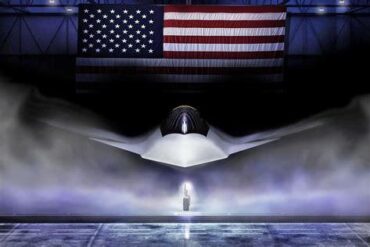
After a surprise phone call from President Donald Trump to Japanese Prime Minister Shigeru Ishiba, attention quickly shifted to the F-47—a next-gen fighter jet recently awarded to Boeing in March 2025. Trump, in his typically unorthodox style, gushed about the aircraft, noting the symbolic value of the number “47” and reminiscing about past American airpower icons such as the F-22, which the US had previously declined to sell to Japan.
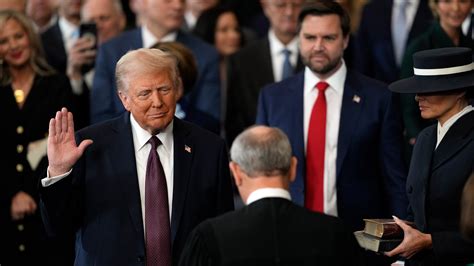
Although the call was described as “friendly” and lacked a formal sales pitch, Japanese defense analysts have interpreted the outreach as a subtle but calculated attempt to woo Tokyo amid growing apprehension about GCAP’s rollout timeline. Trump also floated references to the proposed F-55, a twin-engine evolution of the F-35, but it was the F-47 that clearly took center stage.
Rising Doubts Over GCAP Timeline
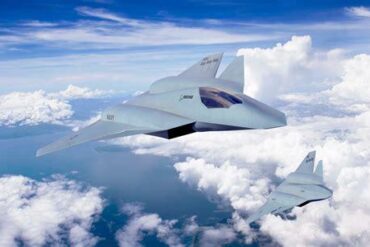
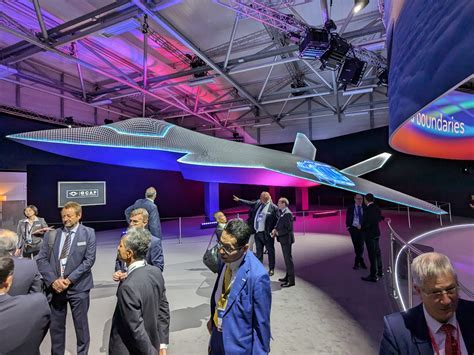
Japan’s concern over delays in GCAP stems from internal reports and unofficial leaks suggesting a slippage beyond the originally stated 2035 induction window. Sources cited by Reuters highlighted that British and Italian partners in the program have shown signs of slowed urgency, with a senior UK official even suggesting the Tempest—a component of GCAP—would replace the Eurofighter Typhoon only in the 2040s.
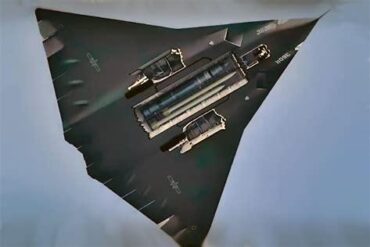
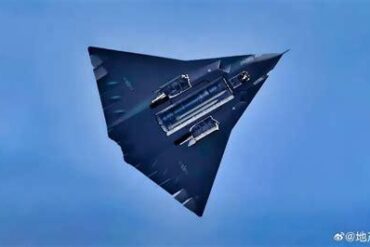
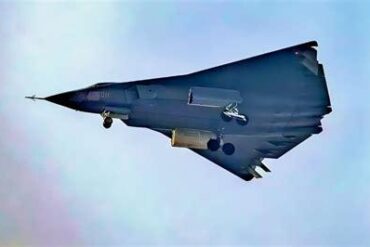
This uncertainty jeopardizes Japan’s plans to replace its aging Mitsubishi F-2 fleet in the 2030s. The delay isn’t just an inconvenience; it’s a strategic liability. With China fast-tracking the J-36 and J-50 sixth-generation fighter prototypes, Japan risks falling behind in air superiority just as Beijing appears set to leap ahead by 2030.
What the F-47 Offers—and What It Doesn’t
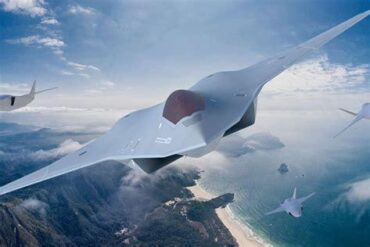
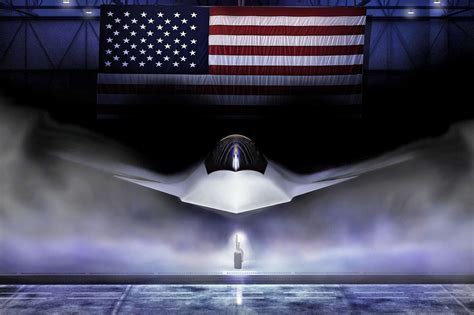
The F-47, described by the US Air Force as the most advanced manned aircraft ever developed, promises to enter operational service between 2025 and 2029—a timeline that starkly contrasts GCAP’s 2035–2040 target. The fighter integrates cutting-edge stealth, AI-driven combat systems, manned-unmanned teaming (MUM-T), and collaborative combat aircraft (CCA) capabilities, making it more than just a platform—it’s a battlefield network in the sky.
Trump emphasized that the F-47 “will be invisible to enemies and fly alongside multiple autonomous drone wingmen.” The aircraft’s 1,000+ nautical mile combat radius aligns well with Japanese strategic needs for deep-strike capability in the East and South China Seas, where China’s A2/AD (anti-access/area denial) strategies pose a growing threat.
However, the jet’s benefits come at a steep cost—literally. Estimates suggest the F-47 could cost nearly twice as much as the F-35, undercutting one of the primary motivations behind Japan’s entrance into GCAP: affordability.
Strategic Autonomy or Operational Readiness?
One of the central tensions in this unfolding dilemma lies in Japan’s desire for technological sovereignty. The GCAP partnership with the UK and Italy was forged, in part, due to Japan’s exclusion from the US Next-Generation Air Dominance (NGAD) program. The trilateral agreement gave Tokyo the opportunity to co-develop a cutting-edge platform from scratch, with shared control over technologies, software, and integration decisions.
If Japan pivots to the F-47, that sovereignty could evaporate. Like the F-35, the F-47 would likely be delivered in a “black box” format—no local modification, limited access to software, and total reliance on US parts and maintenance cycles. This could expose Japan to supply-chain vulnerability, especially under the volatile leadership of Donald Trump, who has already demonstrated willingness to punish allies over trade disputes and diplomatic disagreements.
The Perils of Dual Commitment
Operating both GCAP and the F-47 simultaneously is economically and logistically unsustainable. Running two sixth-generation fighter programs would overstretch budgets, talent, infrastructure, and potentially force Japan to drop out of one. If Tokyo purchases the F-47 in significant numbers, it may be compelled to abandon GCAP altogether, reducing the program’s scale and possibly threatening its viability for the UK and Italy.
It’s worth noting that other multinational defense projects have been plagued by infighting and delays. The French-German-Spanish FCAS effort has suffered repeated setbacks due to disputes over technology sharing and industrial responsibilities. Even GCAP is showing early signs of friction, with Italy accusing the UK of hoarding critical technologies.
Japan’s Fighter Future: A Delicate Balance
The final decision may boil down to timing vs autonomy. The F-47 promises early delivery, greater interoperability with the United States Air Force, and a robust deterrent against regional adversaries. But it risks locking Japan into another generation of dependency on US defense systems—an arrangement that could become unstable with political changes in Washington.
GCAP, on the other hand, represents the first credible path to self-reliant fighter production in Japan’s postwar history. While delays are frustrating, the payoff could be transformative—Tokyo would gain not just an aircraft, but a role as a top-tier global defense innovator. Exiting GCAP now would mean relinquishing that vision and accepting a junior role under American aerospace dominance.
As General David Allvin of the USAF noted, “We’re not just building another fighter; we’re shaping the future of warfare.” But perhaps the real question for Japan is: whose future will it help shape?
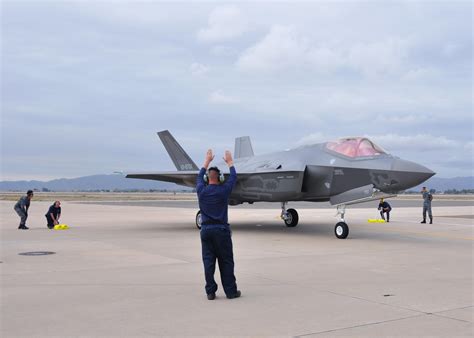
The F-47 may be faster to deploy, but it’s a product Japan cannot shape. GCAP may be delayed, but it’s a platform Japan can help define. That decision—between instant strength and long-term sovereignty—will shape Tokyo’s role in the Pacific for decades to come.