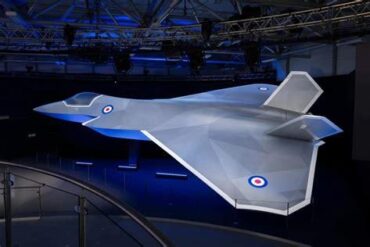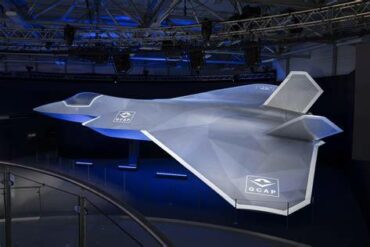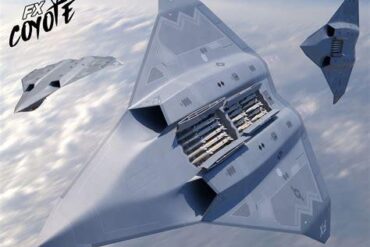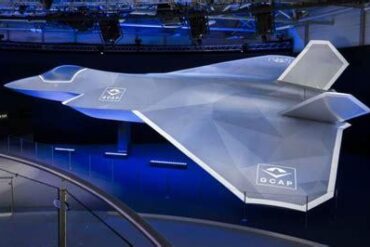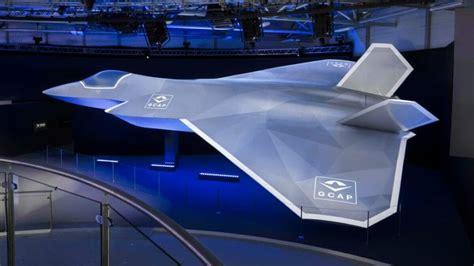
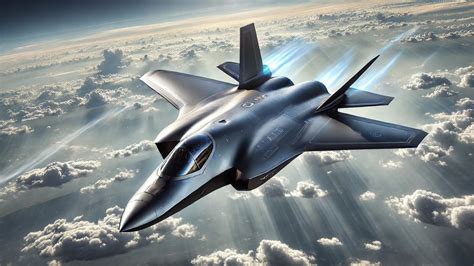
The race to dominate the sixth-generation air combat space has intensified as the Global Combat Air Programme (GCAP) finds itself under rising time pressure. Meanwhile, the United States has unveiled the F-47, a formidable entry that could be deployed by the end of this decade—well ahead of GCAP’s planned 2035 debut. Despite these developments, officials insist the two fighters are not competitors but elements of a broader, interoperable allied airpower architecture.
Italian Air Force General Giandomenico Taricco, now serving as commercial and corporate director at the GCAP International Government Organisation (GIGO), emphasized that interoperability—not rivalry—is the strategic aim. “The F-47 will be principally a U.S. fighter and not a competitor to the GCAP,” said Taricco, outlining a vision where allied sixth-gen platforms function cohesively across operational theatres.

GCAP’s Delicate Balancing Act Amid U.S. Momentum
The U.S. announcement, made by former President Donald Trump in March, thrust the Boeing-led F-47 into the spotlight. The accelerated American timeline has raised eyebrows across Europe and Asia, especially in Japan, a core partner in the GCAP project. Trump’s informal pitch to Japanese Prime Minister Shigeru Ishiba—noted in Japanese newspaper Asahi Shimbun—fueled speculation about Tokyo’s dual-track defense strategy.
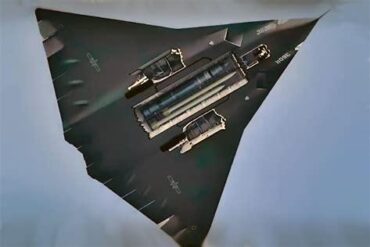
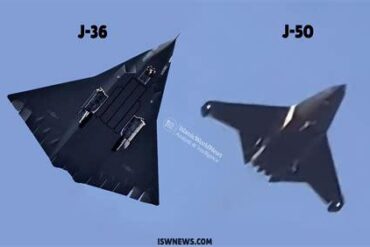
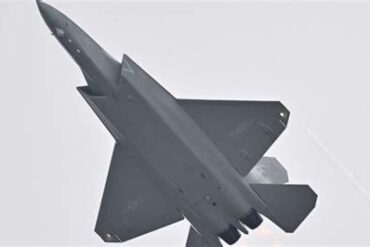
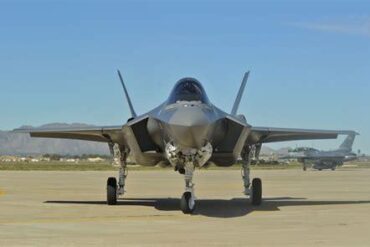
While Japan joined the GCAP specifically to gain co-ownership over mission-critical technologies, the delayed timeline has caused frustration. With China’s J-50 sixth-gen stealth fighter posing an imminent threat to Japanese airspace, Tokyo has reportedly considered purchasing more F-35s as an interim measure.
United Front: Accelerating the GCAP Clock
Despite mounting pressure, GCAP’s leadership remains confident. General Taricco, who previously oversaw Italian Air Force acquisitions such as U.S. Gulfstream sensor aircraft, says urgency is now a shared priority. “The Japanese are extremely motivated to accelerate the program and rightly so, as are we,” he remarked. He underscored that Italy, the U.K., and Japan are aligning efforts to potentially shorten the current development schedule.
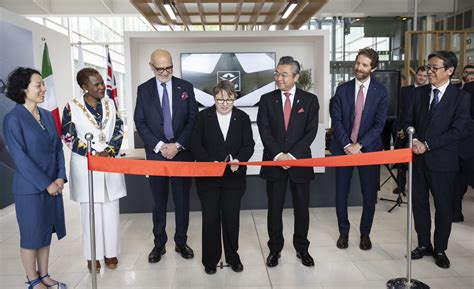
The international body, GIGO, headquartered in Reading, U.K., has seen strategic restructuring since its inception last year. The organization is jointly overseen by Taricco and Phil Brooker, a former British Air Vice-Marshal serving as program and technical director. Leadership is rounded out by Japanese CEO Oka Masami, whose three-year appointment marks a deliberate cross-cultural commitment to the joint venture’s success.
Industrial Synergy: The Power Behind GCAP
Backing this governmental effort is a trilateral industrial juggernaut comprised of BAE Systems (UK), Leonardo (Italy), and JAIEC (Japan). The latter is an integrated effort between Mitsubishi Heavy Industries and the Society of Japanese Aerospace Companies. This industrial alliance will soon launch a joint venture, expected to open within weeks and co-located with GIGO’s offices.
Taricco estimates that within 12 to 15 months, the combined GIGO and JV staff will reach around 1,000 personnel. This consolidation is designed to streamline communication, compress development cycles, and facilitate parallel innovation streams.
The first international contract between GIGO and the joint venture is scheduled to be signed by the end of 2025. A more comprehensive design and development contract is expected by late 2026 or early 2027.
Next-Gen Vision: Fighters and Drones in a Unified Network
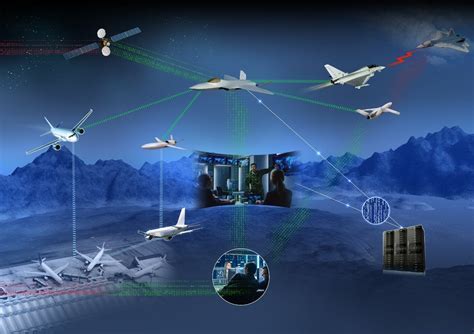
Beyond timelines and politics, GCAP reflects a transformative vision for future air warfare. Designed to operate not just as a standalone platform but as a networked combat node, the GCAP fighter will integrate advanced AI systems, stealth capabilities, and hypersonic countermeasures. Perhaps most significantly, it is expected to fly alongside autonomous drones, forming part of a wider system-of-systems approach.
However, work on unmanned elements remains siloed under national authorities for now. “Unmanned platforms are a national prerogative,” confirmed Taricco. While there’s no fixed schedule for incorporating drones, their eventual integration is viewed as essential to GCAP’s full operational vision.
Export Ambitions and Strategic Partnerships
Export potential has always been central to the GCAP philosophy. Taricco emphasized that arms sales and co-development opportunities will be instrumental in offsetting development costs and expanding the program’s geopolitical reach. Talks are already underway, particularly with Saudi Arabia, a potential partner interested in joining the initiative.
These discussions, however, are being handled at the national government level, not directly through GIGO. Taricco clarified that while GIGO coordinates technical and programmatic work, diplomatic outreach is the domain of the respective member states.
Export viability will depend heavily on both technical achievement and timely delivery. Any delay risks eroding confidence among current partners and weakening the program’s market competitiveness, especially as the F-47 gains momentum.
The Strategic Stakes: Geopolitics in the Sky
At the heart of GCAP’s urgency is a rapidly changing geopolitical reality. Japan’s unease stems from more than just a need for new hardware—it reflects a regional arms race fueled by Chinese military expansion and North Korea’s missile unpredictability. For the UK and Italy, GCAP represents a chance to retain sovereign capability in aerospace design while fostering strategic alliances beyond NATO.
The U.S., for its part, may welcome interoperability but clearly intends the F-47 to dominate its air superiority fleet. By fast-tracking F-47 development, Washington is making a statement about its enduring technological leadership.
Yet, even with an earlier fielding date, the F-47 is unlikely to achieve the same level of multinational ownership as GCAP. For nations seeking deeper integration and co-authorship of their defense tech ecosystems, GCAP offers more than just a jet—it promises sovereignty and partnership in equal measure.
Conclusion: A Program at the Crossroads
The GCAP project stands on the cusp of a defining chapter. With accelerated timelines, increased international coordination, and the looming presence of the F-47, the stakes have never been higher. The project’s success will not be determined solely by engineering breakthroughs but by the ability of the UK, Italy, and Japan to sustain political will, align industrial resources, and deliver a sixth-generation aircraft that is more than just advanced—it must be ready on time.
As Taricco stated, urgency is now embedded in every conversation around GCAP. Whether that sense of urgency can be translated into real, accelerated milestones will decide whether GCAP becomes a flagship for allied aerospace or an ambitious dream that arrived too late.