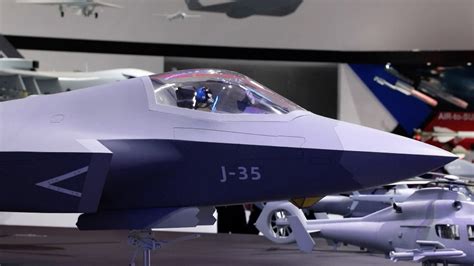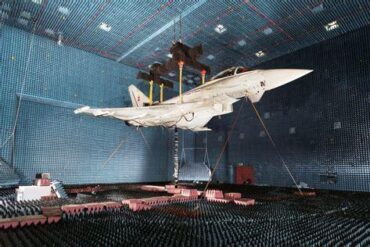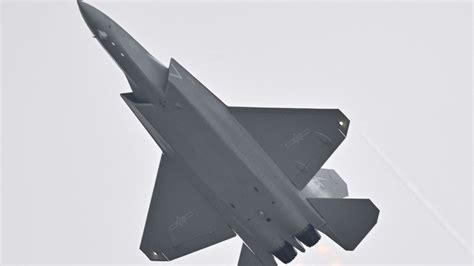
In a major strategic pivot, Pakistan has officially pulled out of its expected purchase of the Shenyang J-35, China’s fifth-generation stealth fighter jet modeled after the American F-22 Raptor and F-35 Lightning II. Once touted as the first foreign client of the Chinese stealth platform, Islamabad’s abrupt denial of any acquisition deal reveals deeper geopolitical and military undercurrents reshaping South Asia’s defense landscape.
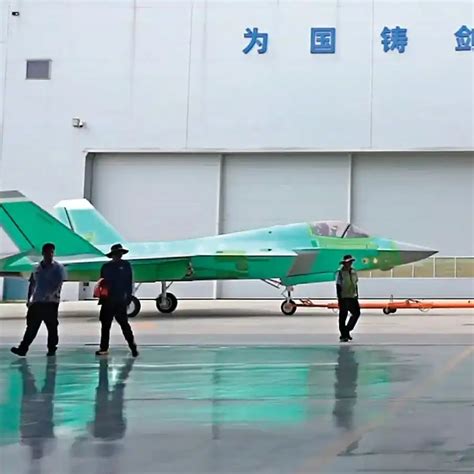
The J-35, formerly known as the FC-31, was developed by Shenyang Aircraft Corporation to showcase China’s stealth capability on a level similar to the West’s most advanced fighters. Designed with carrier-based operations and air superiority missions in mind, the J-35 boasted stealth-enhancing features, twin engines, internal weapons bays, and the capacity to carry long-range air-to-air missiles like the PL-17.
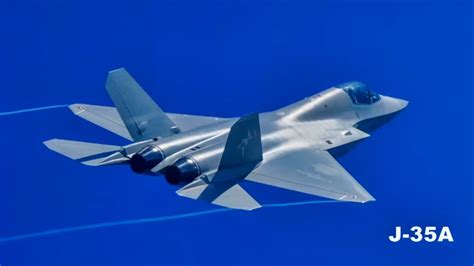
Pakistan’s Public Denial: A Strategic U-Turn
The first signs of a withdrawal came through an official statement from Pakistan’s Defense Minister Khawaja Asif, who publicly rejected media reports suggesting a J-35A deal was in the works. “We are not going to buy this fighter jet from China. This is only in the media. This is good for Chinese defense sales,” he said during a televised interview.
This claim stands in stark contrast to earlier admissions by Air Chief Marshal Zaheer Ahmed Baber Sidhu in early 2023, where he confirmed formal negotiations for the acquisition. Moreover, photos had even emerged in 2024 of PAF pilots training on the J-35, fueling expectations that Pakistan would soon induct the stealth platform into its fleet. At the time, the proposed deal was estimated at USD 5 billion for 40 units, aimed at reshaping Pakistan’s aerial combat capabilities.
China’s Loss: A Geopolitical Defeat in Disguise
Pakistan’s withdrawal from the J-35 deal is more than just a defense decision; it is a geopolitical setback for Beijing. China, keen to assert itself as a viable alternative to the United States in global arms markets, considered this a flagship deal. The J-35 was seen as the crowning jewel of China’s growing defense export catalog, and Pakistan—a historically close ally—was expected to validate its stealth credentials.
However, multiple factors led to the breakdown of this anticipated partnership:
- Dismal battlefield performance of Chinese weaponry during the recent four-day conflict with India.
- Mounting fiscal pressure in Pakistan, already under stringent IMF surveillance.
- Shifting geopolitical alignment, as Islamabad reorients itself toward Washington.
- Technical concerns over J-35’s performance and reliability, particularly its propulsion system.
Operation Sindoor: The Combat Test That Changed Minds
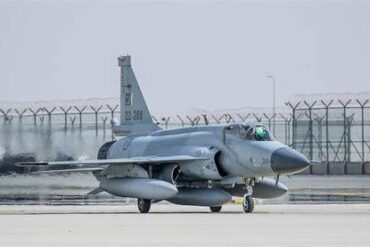
Pakistan’s disillusionment with Chinese equipment may have accelerated following Operation Sindoor, the brief but intense military confrontation with India. The Pakistan Armed Forces, equipped with Chinese CH-4 drones, JF-17 fighters, and HQ-9 air defense systems, failed to make a dent against India’s more technologically integrated force.
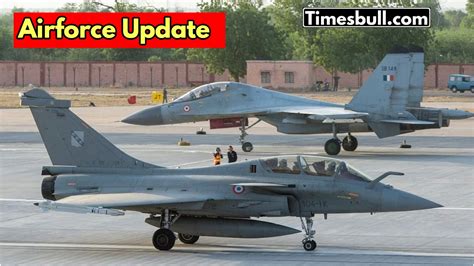
Indian systems like BrahMos missiles, Akash and Akashteer air defense systems, and even foreign imports such as the Rafale and S-400, performed far more efficiently in both offensive and defensive roles. A post-war analysis by John Spencer, Chair of Urban Warfare Studies at the US Military Academy’s Modern War Institute, concluded that India’s success was not just on the battlefield but also in the realm of technological supremacy, discrediting Chinese military tech in a high-stakes combat environment.
The American Angle: A Diplomatic Coup
Adding weight to the decision was the dramatic warming of US-Pakistan ties. Following the Taliban’s resurgence in Afghanistan and the diplomatic chill that ensued, Pakistan Army Chief Field Marshal Asim Munir’s high-profile visit to Washington marked a strategic shift. Praised by former President Trump as “really impressive,” Munir reportedly played a key role in de-escalating nuclear tensions with India.
Following his visit, a series of diplomatic and defense meetings were held, including one between PAF Chief Sidhu and Pentagon officials, which further cemented the growing trust between the two nations. Pakistan is now reportedly lobbying for F-16 Block 70 fighters, HIMARS rocket artillery, and US-made air defense systems, indicating a clear pivot away from Chinese defense reliance.
Economics of Military Realignment
Pakistan’s financial constraints cannot be overstated. Bound by IMF conditions and struggling with domestic economic turmoil, Islamabad likely found the $5 billion J-35 deal financially untenable. Adding to the pressure, the US-Pakistan trade negotiations recently concluded successfully, averting a 29% tariff on Pakistani goods. This economic reprieve may have been part of a broader quid pro quo where Islamabad agreed to step back from high-profile Chinese defense imports.
Anatomy of the J-35: Performance vs. Promise
Despite China’s claims, the J-35 has had its share of technical uncertainties. Initially powered by Russian RD-93 engines, the fighter’s propulsion has since shifted to the domestically developed WS-13 engines, which still suffer from stealth profile limitations and reliability issues. Notably, the same WS-13 engine was offered to Pakistan for the JF-17, which Islamabad reportedly declined over performance concerns.
The aircraft features:
- One internal cannon
- Two internal weapons bays (each capable of carrying two missiles)
- Six external hardpoints (three per wing)
Its configuration compromises stealth when larger external payloads are mounted—especially anti-ship missiles like the YJ-12. While advanced missiles such as the PL-17 offer 400 km range “kill from the shadows” capabilities, the platform’s survivability in a contested environment remains questionable.
Cyber Origins: Theft and Reverse Engineering?
Observers have long speculated that the J-35’s uncanny resemblance to the American F-35 and F-22 stems from Chinese cyber espionage efforts. A 2014 U.S. Congressional Report confirmed that Chinese hackers had successfully extracted critical data from American weapons programs, including stealth technology blueprints. The J-35’s airframe, sensor arrangement, and radar-deflecting contours all bear strong resemblance to Lockheed Martin’s designs.
While imitation may be the sincerest form of flattery, the resulting product has yet to prove itself in the crucible of actual combat. Unlike the combat-hardened F-35, which is now operational across several NATO nations, the J-35 remains largely untested and unproven, even within the People’s Liberation Army Air Force (PLAAF).
Conclusion: A Blow to China’s Military Export Aspirations
The collapse of the Pakistan-J-35 deal marks a symbolic and strategic defeat for Beijing. China not only loses a high-profile customer, but also faces renewed skepticism over the reliability and combat-readiness of its flagship stealth fighter. For Pakistan, the move represents a pragmatic recalibration—prioritizing proven systems, financial sustainability, and a renewed alliance with the United States.
Pakistan may revisit the J-35 acquisition in the future, but for now, the combination of technical doubts, economic hardship, and geopolitical realignment has grounded the deal. As Islamabad sets its sights on modernizing its forces through American cooperation, the fate of China’s fifth-gen stealth export ambitions remains in limbo.