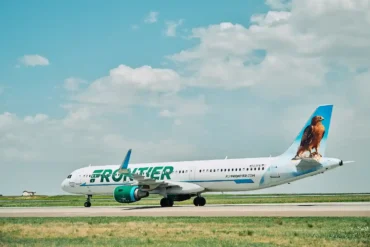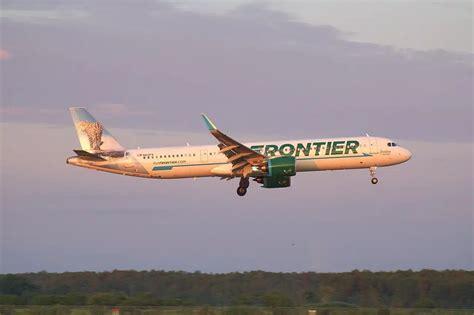
Frontier Airlines has confirmed that it will cease operations at Paine Field Airport (PAE) in Everett, Washington, just seven months after inaugurating service. The announcement marks a rapid retreat for the low-cost carrier, which began operations from the boutique airport in June 2025. Its last scheduled flight out of Everett is set for January 5, 2026.
A Brief But Bold Entry Into Paine Field
On June 2, 2025, Frontier Airlines made a splashy debut at Paine Field with twice-weekly flights to three major destinations: Denver (DEN), Phoenix (PHX), and Las Vegas (LAS). The move was part of a broader strategy to offer more travel options to residents in the Seattle metropolitan area, and to challenge the dominance of Seattle-Tacoma International Airport (SEA), the region’s primary aviation hub.
Paine Field, known for its upscale amenities and efficiency, seemed like an appealing launchpad for Frontier’s ambitions. The airline’s A320 family aircraft were well-suited for the short-to-medium haul routes it chose, and its low fares promised a compelling alternative to higher-priced competitors.
However, by late December, signs of turbulence began to emerge. On its website, Frontier quietly updated its schedule to show no flights from PAE beyond January 5, 2026, a move later confirmed by local media outlets such as HeraldNet. The sudden reversal has left aviation watchers and travelers questioning what went wrong.
What Went Wrong: Demand, Load Factors, and Market Pressure
Frontier has not provided an official statement detailing the reasons for its withdrawal from Paine Field, but aviation analysts suggest several critical factors likely played a role:
- Weak passenger demand: Despite Paine Field’s appeal, Frontier’s niche offerings may not have gained the traction required to sustain operations.
- Low load factors: Operating only twice weekly per route, Frontier may have struggled to fill enough seats to justify the cost.
- Competitive overlap: While SEA offers broader route networks and daily frequencies, Frontier’s Paine Field routes competed with Alaska Airlines, which already operated Las Vegas and Phoenix flights from PAE.
These pressures likely made the economics of operating from Everett unsustainable, especially when paired with the logistical challenges of spreading a limited fleet across multiple low-frequency routes.
Alaska Airlines: Now the Sole Carrier Standing at PAE
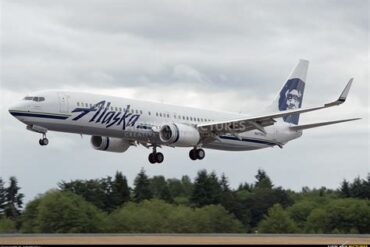
With Frontier’s exit, Alaska Airlines will become the exclusive commercial airline operating scheduled flights from Paine Field. This consolidation further cements Alaska’s strategic dominance at the airport.
Currently, Alaska serves eight destinations from PAE:
- Honolulu (HNL)
- Las Vegas (LAS)
- Los Angeles (LAX)
- Orange County (SNA)
- Palm Springs (PSP)
- Phoenix (PHX)
- San Diego (SAN)
- San Francisco (SFO)
In June 2026, a ninth route to Portland (PDX) is scheduled to begin, creating the airport’s shortest route at 140 nautical miles. Alaska’s longest current flight from Paine Field is to Honolulu, a stretch of 2,341 nautical miles.
What’s noteworthy is that two of the three destinations dropped by Frontier—Las Vegas and Phoenix—remain covered by Alaska. Only the Denver route will be lost entirely, representing a reduction in direct connectivity to the Mountain West region for Paine Field travelers.
Paine Field’s Prestige and Limitations
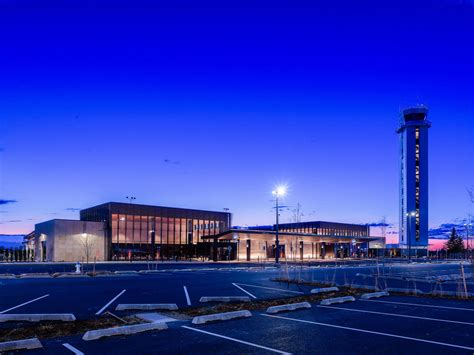
Paine Field has long been viewed as a premium alternative to the congestion of Seattle-Tacoma International. Since launching commercial operations in 2019, it has welcomed over 3.4 million passengers, offering a streamlined and stylish experience that includes:
- Valet parking and quick check-ins
- Lounge-style terminal with fireplaces
- Boutique dining options
- Glass jet bridges and fresh floral arrangements

In 2025, The Washington Post named Paine Field among the Top 5 Airports in the United States, ranking it fifth based on performance data, Yelp scores, and traveler reviews. It shared honors with other lauded airports such as Portland International (PDX) and Reagan National (DCA).
But its boutique nature also poses operational challenges. With just two gates and limited runway space, scalability is restricted, and airlines may find themselves squeezed if load factors dip below profitable thresholds.
Regional Implications: The Return of the SEA-TAC Magnetism
Frontier’s exit may reinforce the gravitational pull of SEA-TAC, which continues to expand its reach and infrastructure. With seven active Frontier routes already running from SEA, including overlaps with Denver, Las Vegas, and Phoenix, the larger airport likely siphoned demand from Paine Field’s limited offerings.
For travelers seeking flexibility, loyalty programs, and daily frequency, the tradeoff in travel time to SEA-TAC may be worth it. Frontier’s own positioning as an ultra-low-cost carrier (ULCC) demands high volumes and quick turnarounds—factors not easily supported by a low-frequency, boutique airport environment like Paine Field.
Future Outlook: What’s Next for Paine Field?
Despite the setback, Paine Field remains well-positioned for future growth. Its award-winning terminal and affluent local catchment area could still attract niche players, regional carriers, or even premium international services in the long run.
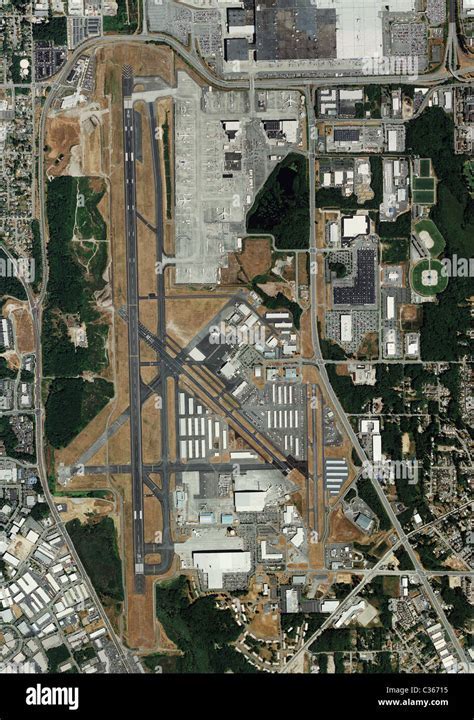
Airport operator Propeller Airports has emphasized Paine Field’s role as a regional economic engine, and its commitment to maintaining a world-class passenger experience. The addition of Alaska’s PDX route in 2026 signals continuing interest in expanding the airport’s regional footprint.
If any new entrant considers Everett in the future, lessons from Frontier’s brief tenure will likely shape strategic decisions—especially in route planning, frequency, and load factor thresholds.
Closing the Chapter: Frontier’s Short-Lived Gamble
Frontier Airlines’ withdrawal from Everett’s Paine Field after only seven months underscores the delicate balance between opportunity and sustainability in the modern aviation landscape. While the move provided short-term excitement and a fresh option for northern Seattle-area travelers, the long-term viability was always going to be tested by demand metrics and network economics.
As Alaska Airlines regains exclusive status at Paine Field, the airport continues its quest to redefine what a small regional terminal can offer. The story of Frontier’s quick entry and exit will remain a case study in ambition versus alignment—a reminder that even well-loved airports can pose a challenge when market conditions aren’t ideal.