The world of international travel is increasingly intricate, shaped by a myriad of geopolitical, economic, and security factors. In 2025, travelers are experiencing an unprecedented wave of visa malfunctions, particularly in countries like Saudi Arabia, the United States, India, and Uganda. These issues range from processing delays to system failures, impacting countless individuals, especially those aiming to visit popular destinations within the Schengen Zone or relying on e-Visa systems. What is particularly alarming is the growing speculation that these widespread complications may not merely be the result of technical glitches; there is a burgeoning theory suggesting a hidden vendetta against international travelers that could redefine the landscape of global travel in the coming years.
In June 2025, the U.S. government implemented an expansion of its travel ban, now affecting citizens from 12 countries, including Afghanistan, Iran, Libya, and Yemen. This policy shift, justified by national security concerns, has resulted in heightened confusion and frustration among travelers from these nations, who are now subjected to intensified scrutiny at U.S. airports and the looming threat of visa denials. The ramifications of this expansion extend far beyond mere inconvenience; it has disrupted the plans of business travelers, tourists, and students alike, all of whom hoped to visit the United States for education, tourism, or professional engagements.
The implications of this travel ban resonate deeply, particularly for those with familial ties in the U.S. and students poised to embark on their academic journeys. Critics, including diplomats and international human rights advocates, argue that such sweeping measures disproportionately punish ordinary citizens and jeopardize diplomatic relations between the U.S. and the affected nations. The discourse surrounding this issue underscores the delicate balance between national security and the principles of fair treatment and opportunity for all individuals.
As the U.S. grapples with its visa policies, Indian students aspiring to pursue higher education in the U.S. find themselves ensnared in a web of delays and uncertainty. In early 2025, the suspension of new student visa interviews—specifically for F, M, and J visas—created a significant backlog of applications, leaving many students in limbo as they approached the start of the fall semester. For countless Indian students, the U.S. remains a premier destination for higher education, and the delays have instigated a wave of anxiety and frustration. Students who had meticulously arranged their educational plans, secured placements at reputable universities, and invested substantial resources are now grappling with the reality of postponed academic dreams.
This situation is exacerbated by a lack of timely communication from consular services, leaving students anxious and uninformed about the status of their applications. The financial implications of these delays are profound, forcing students to reconsider housing arrangements and travel plans. The intersection of education and immigration policy has never been more critical, as these systemic delays threaten to undermine the aspirations of thousands of hopeful students.
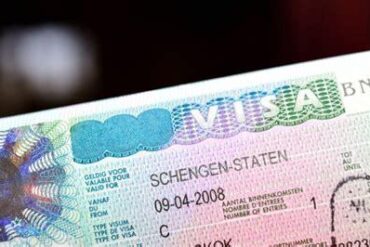
Meanwhile, Indian travelers eyeing summer vacations in Europe confront significant hurdles when seeking Schengen visas. The surge in demand for travel during the peak summer season has led to a backlog in visa processing, resulting in delays that have disrupted many vacation plans. With numerous travelers having booked flights and accommodations in advance, the uncertainty surrounding visa approvals has forced many to either rebook flights or even cancel vacations altogether. The stakes are particularly high for those intending to explore iconic European destinations such as France, Italy, and Spain, renowned for their rich cultural history and vibrant tourism sectors.
The challenges faced by Indian tourists underscore the bureaucratic complexities inherent in the Schengen visa application process. As a significant contributor to the international travel market, Indian tourists are often left navigating a convoluted system that struggles to accommodate peak travel demands. The situation has illuminated the pressing need for streamlined visa processing systems capable of efficiently managing the influx of applicants, especially during high-demand periods.
In Uganda, the situation takes a different turn as the country grapples with technical difficulties plaguing its e-Visa portal. Early 2025 saw widespread disruptions in the visa application process, resulting in travelers receiving visas upon arrival—a scenario fraught with confusion and delays at entry points. This malfunction not only inconvenienced tourists but also strained government officials tasked with managing the chaos at borders. Many travelers, unprepared for the inconvenience of acquiring a visa at the airport, found themselves waiting in long lines, a stark contrast to the intended efficiency of digital visa systems.
The Ugandan government’s promise to rectify the e-Visa portal issues raises questions about the reliability of digital visa infrastructures globally. As countries increasingly rely on technology to streamline their visa processes, the vulnerabilities of these systems become evident, especially during peak travel seasons. The incident serves as a cautionary tale, reminding stakeholders of the imperative to bolster digital infrastructures to ensure seamless travel experiences.
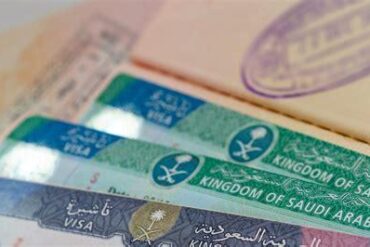
In Saudi Arabia, the introduction of non-refundable visa fees for exit and re-entry visas has ignited a wave of frustration among travelers. The General Directorate of Passports confirmed that fees would not be reimbursed if visas were canceled, leading to backlash from expatriates who had made travel plans only to face unforeseen circumstances necessitating changes. This policy not only compounds the financial burden on travelers but also stirs debates about the fairness and implications of such stringent measures.
For many expatriates, who constitute a significant portion of Saudi Arabia’s demographic, the inability to recover visa costs poses a challenge, particularly for those with obligations requiring travel. Critics argue that these policies risk discouraging potential travelers from pursuing opportunities within the Kingdom and could negatively impact broader tourism and labor markets.
In early 2025, the U.S. State Department announced a suspension of visa issuance for nationals from several countries due to national security concerns. This move further complicated the visa landscape for international visitors, particularly those from nations deemed to have inadequate screening procedures or non-compliance with repatriation protocols. The suspension has resulted in confusion at consulates and entry points, leaving many travelers unable to attend crucial business meetings, conferences, or educational events in the U.S.
The diplomatic fallout from this suspension is palpable, as countries feel unfairly targeted by policies that appear overly broad and lacking transparency. Calls for clarity in U.S. visa policies have intensified, with many advocating for a more nuanced approach that considers the unique circumstances of affected nations.
The incidents highlighted above reflect a growing complexity in international visa policies, revealing the myriad challenges travelers face in 2025. As global travel continues to rebound in the post-pandemic era, these systemic issues underscore the necessity for transparent, reliable, and efficient visa processing systems. Governments must recognize that visa policies serve not only as tools for border control but also as fundamental components of a nation’s engagement with the global community.
As we look ahead, it is crucial for travelers and officials alike to monitor how governments address these emerging challenges and adapt to the evolving dynamics of global travel. For now, vigilance and preparedness are paramount, as the intricate web of visa policies continues to shape the future of international tourism.