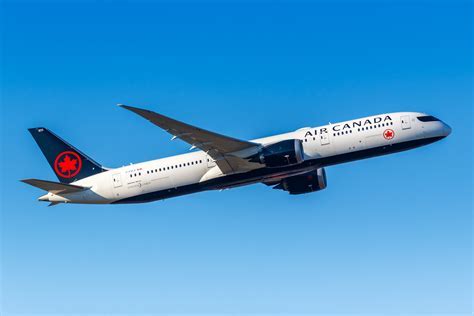
As tensions in the Middle East escalate to dangerous levels, Air Canada has taken decisive action to safeguard its passengers and crew. Effective June 18, 2025, the airline has suspended all flights to and from Dubai, citing heightened regional instability following a series of military developments. This decision, initially set to remain in effect until July 3, 2025, may be extended as the situation evolves. The move reflects a larger trend across the aviation sector, where carriers are rapidly adjusting operations in response to volatile geopolitical dynamics.
The announcement comes in the wake of significant conflict involving the United States, Israel, and Iran, with U.S.-led airstrikes targeting Iranian nuclear facilities on June 21, 2025. These developments have triggered a wave of caution across global governments, with both U.S. and Canadian authorities issuing urgent travel advisories.

Air Canada’s Response to the Crisis: A Coordinated and Cautious Approach
Air Canada’s suspension is not an isolated event but part of a larger realignment of airline operations globally. International carriers, particularly those with routes passing through or bound for the Gulf region, have started rerouting, canceling, or indefinitely postponing flights. Air Canada has aligned its decision with government-issued advisories, including Canada’s heightened red-alert warnings for key Middle Eastern nations.
The airline emphasized that this suspension is temporary but necessary, and re-evaluation will occur in close coordination with federal agencies, aviation authorities, and security intelligence teams. For passengers who had plans to travel to Dubai during the affected window, Air Canada has put in place a comprehensive support and rebooking framework to reduce disruption and maintain service quality.
Flexible Travel Alternatives for Displaced Passengers
To address the needs of affected travelers, Air Canada has rolled out multiple options to ease the burden of this unexpected suspension. Those with confirmed bookings to or from Dubai between June 22 and July 15, 2025, are eligible for the following:
- Travel credits for future use
- Flight rebooking once the route resumes operations
- Alternative destinations within Air Canada’s network unaffected by current regional risks
Customer care teams have been mobilized across multiple support channels, offering assistance in real time. The airline has pledged to provide timely updates and personalized service to help passengers navigate the changing situation.
This proactive approach underscores Air Canada’s broader commitment to maintaining passenger satisfaction while not compromising on security.

Rising Regional Unrest: A Catalyst for Widespread Disruption
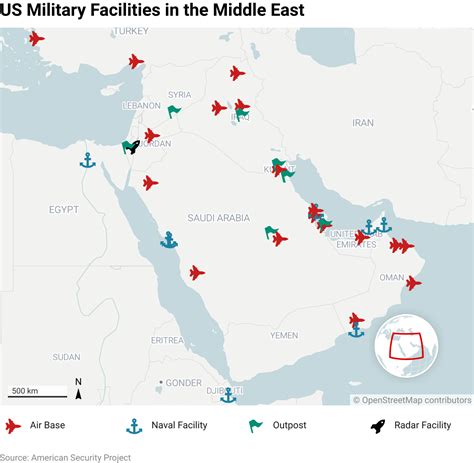
The core of Air Canada’s decision lies in the intensifying conflict in the Middle East, which reached a critical point on June 21, 2025, following military action by the United States and Israel against Iran’s nuclear infrastructure. The strikes have ignited concerns about potential retaliatory attacks, drawing the attention of the global security community.
The U.S. State Department’s Worldwide Caution advisory further amplified the gravity of the crisis, warning of elevated risks to American citizens abroad. In tandem, Global Affairs Canada escalated its travel warnings, advising Canadian nationals to avoid non-essential travel to high-risk zones including Israel, Gaza, Iran, Iraq, Yemen, and Syria. Several neighboring countries like Lebanon and Jordan have also received upgraded cautionary levels, signaling the broadening reach of the conflict’s fallout.
Dubai’s Strategic Importance and the Blow to Business Travel
The suspension of flights to Dubai International Airport, one of the busiest and most vital hubs in global aviation, is not without consequences. Dubai serves as a key link for business travelers, tourists, and cargo operators connecting North America with Asia, Africa, and the Middle East. Air Canada’s Dubai route has historically been a critical artery, particularly for Canadian expatriates and trade professionals.
The halt in operations presents substantial economic and logistical implications, as passengers scramble to find alternatives while companies delay or cancel cross-border meetings and trade activities. The Gulf region’s aviation sector, a longstanding pillar of global connectivity, is facing a substantial setback. While some airlines are rerouting through southern or European corridors, this adds hours to flight durations and increases operational costs.
Airspace Closures and the Domino Effect on Airline Operations
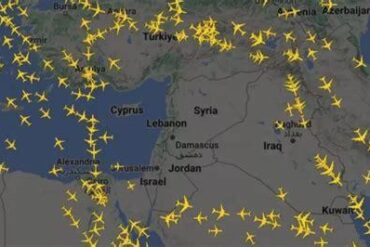
The conflict’s repercussions extend beyond individual airlines. Several airspaces over the Middle East have been declared restricted or unsafe, resulting in a domino effect that is hampering global airline schedules. Carriers are recalibrating routes to avoid Iranian and Iraqi airspace, and many are placing Dubai-bound operations under review.
This redirection strategy is contributing to widespread flight delays, cancellations, and elevated ticket prices across the region. Airlines are now engaged in a delicate balancing act — ensuring passenger safety while trying to maintain commercial viability.
Government Coordination and Traveler Advisories
Both the Canadian and U.S. governments have been actively updating citizens through real-time travel warnings. These advisories form the backbone of Air Canada’s decision-making process, and are often issued in collaboration with aviation security analysts. The red-alert zones now encompass:
- Israel, Gaza, Iran, Iraq, Syria, and Yemen (non-essential travel advised against)
- Lebanon and Jordan (essential travel only)
- Qatar, Oman, and Saudi Arabia (heightened caution)
Airlines are not only navigating geopolitical threats but also legal and insurance complexities. Flying into high-risk zones exposes carriers to liability risks, passenger claims, and insurance constraints. Consequently, Air Canada’s proactive halt to Dubai flights serves as a model for risk management in volatile environments.
Passenger Safety as Core Operational Priority
Throughout the unfolding crisis, Air Canada has consistently positioned passenger safety as its paramount concern. By immediately suspending operations to a volatile destination and offering structured alternatives, the airline has demonstrated resilience and ethical leadership.
Security experts within the airline are working in close coordination with both international aviation authorities and intelligence agencies to track risks and adapt flight paths in real time. Technology such as AI-based risk mapping, satellite imagery, and predictive analytics is increasingly playing a role in these decisions, ensuring no flight takes off without rigorous safety vetting.
Broader Impact on the Aviation Industry and Traveler Sentiment
The Air Canada suspension is only one example in a wider global trend of airline contingency planning in response to geopolitical volatility. As more carriers rethink their Middle East operations, travelers are becoming increasingly cautious. This could lead to a shift in passenger behavior, favoring destinations perceived as politically stable.
Tourism boards, especially in Gulf countries, may suffer as visitor numbers decline due to security fears. Meanwhile, international events planned in the region, including business expos and sports tournaments, are now facing uncertainty as travel logistics become harder to guarantee.
The ripple effect of a single suspended route extends beyond economic figures—it reshapes airline route strategies, insurance models, and traveler expectations. In uncertain times, airlines like Air Canada are leading the way by choosing prudence over profit.
The Road Ahead: Vigilance and Reassessment
With July 3, 2025, designated as the tentative reassessment date, all eyes will be on how the geopolitical situation in the Middle East evolves. Any further escalation, particularly involving global powers, will likely delay the resumption of services. Air Canada has reiterated its commitment to monitor developments continuously, and passengers are urged to sign up for notification alerts and regularly consult official updates.
In the meantime, passengers are advised to avoid booking new travel to high-risk regions and to consider destinations within North America, Europe, and Asia-Pacific where services remain unaffected.
The aviation industry stands at a critical juncture, facing not only logistical and security hurdles but also a growing demand for transparent communication and adaptive planning. Air Canada’s swift response and comprehensive traveler support system offer a blueprint for other airlines navigating similar crises.