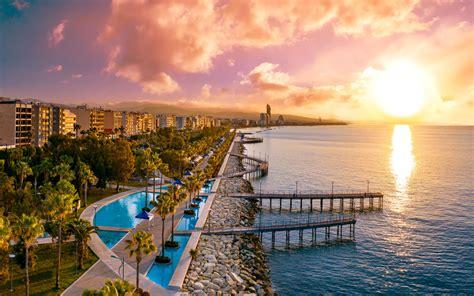
Cyprus, a sun-drenched Mediterranean island famed for its golden beaches, ancient ruins, and welcoming culture, has long been a staple destination for travelers seeking both relaxation and history. Nestled strategically in the Eastern Mediterranean—south of Turkey, west of Syria, and not far from the volatile Middle East—this small island state often finds itself in the geopolitical conversation. With recent escalations in the Israel-Iran conflict, particularly the Israeli airstrikes on Iranian territory and retaliatory drone threats, many are asking: Is Cyprus still safe to visit right now?
Cyprus Safety Status Remains Stable Despite Middle East Unrest
According to the latest travel advisory issued by the UK Foreign Office, Cyprus remains a safe and stable destination for international visitors. The current guidance does not recommend against travel to the island, nor does it indicate any direct threat from the ongoing Israel-Iran tensions. With a distance of over 470 kilometers from Israel, Cyprus is geographically close, but politically and practically removed from the epicenter of conflict.

Importantly, the island nation continues to maintain full operational capacity in its tourism sector. Airports are open, ferries are functioning, and hotels are welcoming guests without disruption. Restaurants, cultural landmarks, and beach resorts remain bustling, a sign that daily life continues undisturbed for both locals and travelers.
Regional Tensions: How Close is Too Close?
Cyprus’s proximity to the Middle East means that travelers are rightly cautious about ripple effects from nearby conflicts. The Israeli airstrikes on Iran’s nuclear facilities have triggered concern, with Iran hinting at possible retaliatory actions. However, no credible threat has emerged indicating Cyprus could be directly impacted. The Foreign Office maintains that there is no reason to alter travel plans, though it does advise travelers to stay informed of regional developments.
One must also consider that Cyprus has often served as a neutral player in regional conflicts, due in part to its EU membership and diplomatic ties across Europe and the Middle East. Its sovereign status, along with robust internal security measures, gives confidence to both governments and airlines to continue normal operations.
What Tourists Should Know: On-the-Ground Safety Insights
While Cyprus is not involved in any current conflict, tensions in the region can have indirect consequences. These generally take the form of peaceful protests, public demonstrations, or temporary traffic disruptions, particularly in the capital city Nicosia or the port city Limassol.
Travelers are advised to take basic safety precautions, which include:
- Avoiding political gatherings or large demonstrations.
- Monitoring local news through trusted sources or hotel staff.
- Registering with your country’s embassy when possible.
- Respecting any travel advisories or instructions from local authorities.

Despite these considerations, no violent incidents related to the Israel-Iran tensions have been reported in Cyprus. The island’s internal affairs remain calm, and the hospitality sector is operating at full swing, catering to summer travelers eager for beach holidays and cultural expeditions.
A Historical Haven of Stability in a Stormy Region
Cyprus has historically served as a refuge of stability in an often tumultuous region. Even during past conflicts involving Syria, Lebanon, or Gaza, the island remained peaceful and unaffected. The Cypriot government has continually invested in national security infrastructure and international cooperation, particularly with the European Union and NATO-aligned forces.
Moreover, the island maintains advanced emergency readiness, including evacuation protocols, consular coordination, and rapid-response units. These mechanisms, while rarely activated, are in place to protect both residents and foreign visitors should any threat arise.
Tourism Resilience: Why Cyprus Remains a Top Mediterranean Choice
Cyprus continues to enjoy a strong inflow of tourists, particularly from the UK, Germany, and Scandinavia. With its low crime rate, high-quality healthcare, and abundant sunshine, the country is often ranked among the safest countries in Europe.
June marks the beginning of the high season, and current hotel occupancy rates reflect strong tourism demand. Airlines including British Airways, Lufthansa, and Aegean continue to operate daily flights into Larnaca and Paphos International Airports, with no suspensions announced.
On the ground, visitors report that beaches are crowded, tavernas are lively, and cultural sites like the Tombs of the Kings and Kourion Amphitheater are welcoming steady streams of sightseers. There’s little sign that geopolitical uncertainty is dampening the tourist mood.
Key Considerations for Planning Your Trip
For those planning to visit Cyprus, it’s wise to stay prepared without succumbing to fear. Here are several practical recommendations for a smooth and safe trip:
- Purchase comprehensive travel insurance that includes coverage for cancellations and emergencies.
- Register with your embassy, especially if traveling for extended periods.
- Download local safety apps, such as the CyprusAlert system, for real-time notifications.
- Stay in contact with hotel staff or tour operators for updates on local conditions.
These steps are not exclusive to Cyprus but are best practices for travel anywhere in regions affected by regional or global instability.
Final Word: Cyprus Welcomes You, With Eyes Wide Open
Despite the surrounding geopolitical heat, Cyprus remains a cool and welcoming destination, unmarred by violence and buffered by its distance and diplomacy. The current safety outlook confirms that the country continues to function normally and efficiently, making it an ideal Mediterranean getaway even in June 2025.
While no destination is ever completely free of risk, Cyprus offers the reassurance of preparedness, the luxury of peace, and the beauty of the Mediterranean, all under one sun-kissed sky. For now, travelers can book with confidence, knowing the island stands ready to deliver on its promises of hospitality, heritage, and harmony.