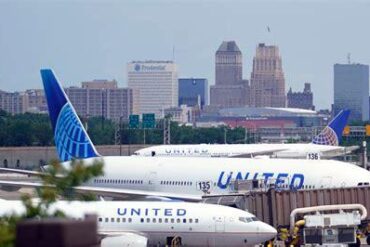
Tensions in the Middle East have reached a boiling point, prompting urgent warnings from governments and unprecedented responses from the aviation sector. The escalation between Israel and Iran—marked by a volatile exchange of missile strikes beginning on Friday, June 13, 2025—has triggered a cascading effect across the region, particularly impacting travel safety, flight operations, and diplomatic advisories.
Mounting Tensions Between Israel and Iran Disrupt Regional Stability
The conflict was reignited when Israel launched a surprise airstrike deep within Iranian territory. In swift retaliation, Iran unleashed multiple missile salvos targeting key locations in Israel, intensifying concerns that the skirmish could spiral into a broader regional war. The rapid deterioration in diplomatic relations has alarmed both regional governments and international observers, raising the threat level significantly.
This military tit-for-tat has shaken the entire region’s security landscape, pushing nations to reassess airspace security and civilian travel. With both countries exchanging live fire, the risk to civilians, tourists, and foreign nationals has multiplied overnight.
Regional Airspace Closures and Sudden Route Overhauls
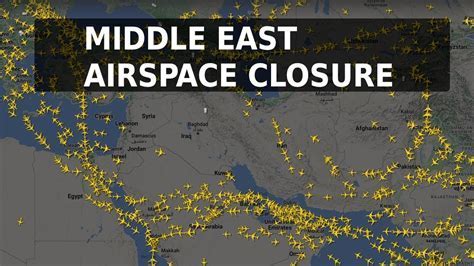
The ripple effects of this conflict are nowhere more evident than in commercial aviation. Countries such as Iran, Iraq, Jordan, and Syria temporarily shuttered their airspace to all commercial aircraft. While Lebanon initially followed suit, it has since reopened its skies, albeit under tense monitoring.
This patchwork of closures forced carriers to replot flight paths urgently. Instead of traversing over the embattled zones, many airlines are now diverting southward over Egypt and Saudi Arabia, or opting for northern detours via Türkiye and Azerbaijan. These detours not only lengthen journey times but also strain fuel budgets and airline scheduling.
Airlines Cancel Flights Amid Operational Chaos
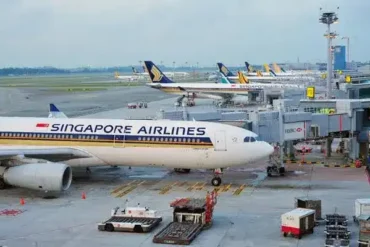
Aviation authorities and commercial carriers responded swiftly to the unfolding crisis. Numerous global and regional airlines announced cancellations or major route changes. Airlines including Emirates, flydubai, Qatar Airways, Etihad Airways, Lufthansa, Swiss, Air France, KLM, Wizz Air, Ryanair, Delta Air Lines, El Al, and Israir have all adjusted services to avoid flying through affected airspace.
Passengers are advised to check directly with airlines for real-time updates. Uncertainty reigns, and carriers are frequently updating their operations as geopolitical developments continue to shift. The aviation industry has entered a phase of heightened alert and operational complexity not seen since the peak of the pandemic.
Egypt: A Regional Haven Under Watch
Despite its proximity to the flashpoints, Egypt remains open for tourism, although it is not without concern. The UK Foreign, Commonwealth & Development Office (FCDO) has updated its travel advisories to caution visitors, especially those planning to visit northern Sinai. The region near the Gaza border has seen a rise in demonstrations and unrest, raising concerns over potential spillover violence.
The FCDO’s guidance issued on June 14 explicitly warns against all travel to North Sinai, citing the area’s volatile security environment. While tourist hotspots like Cairo, Luxor, Aswan, and the Red Sea resorts are currently considered safe, the situation remains fluid.
Travelers are urged to maintain high situational awareness and regularly consult trusted sources such as government websites or embassy bulletins.
Government Warnings: Safety Over Itineraries
Foreign ministries from several countries have issued or amended travel advisories:
- The UK strongly advises against all travel to Israel as of June 15, citing a rapidly evolving security environment.
- Updated guidance also extends to Egypt, Jordan, Lebanon, and Cyprus, with concerns about regional instability.
- Travel to North Sinai is explicitly discouraged, and insurance policies may be voided if official warnings are ignored.
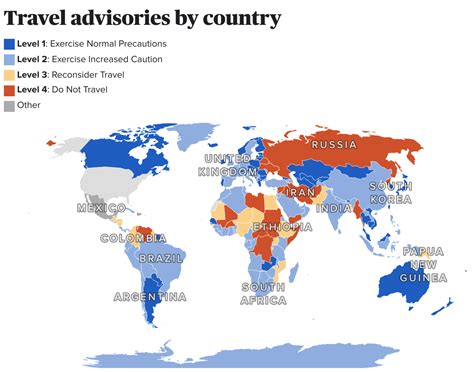
These advisories are not only precautionary—they can determine the validity of insurance coverage. Travelers venturing into red-flagged zones risk traveling uninsured if they go against official recommendations. Moreover, such advisories often serve as a trigger for travel providers to amend, cancel, or refund bookings.
Travel Insurance and Holiday Packages in Uncertain Times
Despite the chaos, package holidays to Egypt continue to operate in many areas. Tour operators are watching developments closely but have yet to cancel mainstream itineraries unless government advice explicitly directs them to do so. This puts travelers in a grey area: those who cancel trips voluntarily without updated government guidance may not be eligible for refunds.
For example, while parts of Egypt remain safe for now, opting out of a holiday to Hurghada or Sharm El Sheikh without government advisories might lead to forfeiture of booking fees. Thus, it’s essential to coordinate with tour providers and review terms and conditions before making a decision.
Egypt’s Role as a Transit Zone Amid Regional Reroutes
Interestingly, Egypt’s geographic position has become vital in regional aviation strategy. With vast swaths of airspace off-limits, rerouting commercial flights via Cairo FIR (Flight Information Region) offers one of the few secure corridors for east-west movement.
This means Cairo’s main international airport and Egyptian ATC (Air Traffic Control) have suddenly become critical nodes in global aviation. Airlines that once flew directly over Syria or Iraq now rely on Egyptian airspace, increasing air traffic density and straining operational capacity.
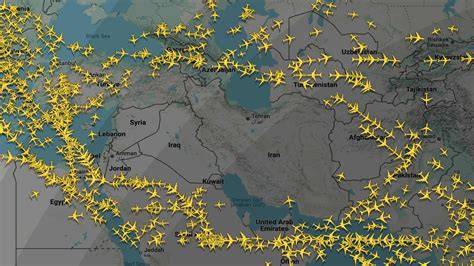
The added traffic through Egypt may come with a dual impact: increased revenue from overflight rights, but also heightened responsibility and pressure to maintain safe routing in a potentially unstable region.
The Broader Implications: Tourism, Security, and Perception
The current crisis has rekindled longstanding concerns over Middle East travel security. Tourists, tour operators, and airlines must now grapple with not only the threat of violence but also the broader consequences—such as diplomatic fallout, infrastructure instability, and long-term economic damage to the region’s tourism sector.
Egypt, which has painstakingly rebuilt its tourism image post-Arab Spring and pandemic, now finds itself in a delicate position. It must balance welcoming international visitors while remaining vigilant against regional spillovers. Any misstep could unravel years of effort and investment in positioning Egypt as a premier travel destination.
Final Considerations for Travelers
With each passing day, the geopolitical dynamics shift, and with them, the map of safe versus unsafe travel. For those planning to travel to the Middle East:
- Stay updated with official foreign office advisories.
- Check directly with airlines for route or schedule changes.
- Ensure that insurance policies are valid and reflect the latest conditions.
- Maintain constant awareness of local developments, especially if transiting or staying near border regions.
The current conflict is far from resolved, and travelers must treat every update not as a formality, but as potentially life-altering information. In a region where safety conditions can change in hours, vigilance is not optional—it is essential.