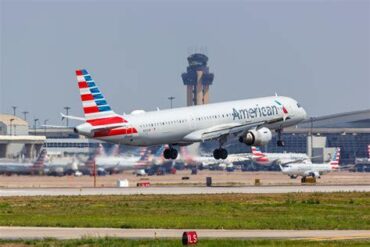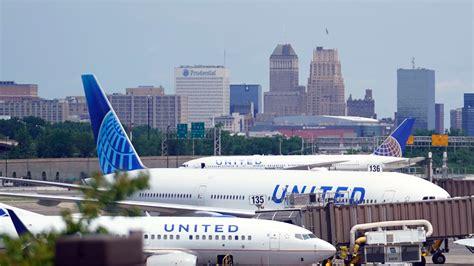
Severe summer thunderstorms sweeping across the United States have triggered massive disruptions in air travel, with American Airlines, Delta Air Lines, and United Airlines at the epicenter of the cancellations. A total of 114 flights were canceled across these three major carriers—42 by American, 37 by Delta, and 35 by United—as the volatile weather system continues to wreak havoc on airports coast to coast. From New York to Chicago and Washington D.C., thousands of travelers have been affected, facing prolonged delays, last-minute cancellations, and chaotic rebooking processes.
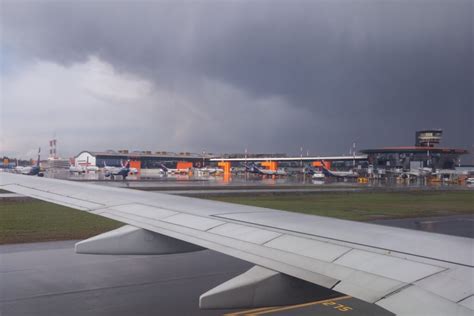
LaGuardia Airport (LGA): New York’s Congested Nerve Center
New York’s LaGuardia Airport, already known for its tight scheduling and dense traffic, was among the hardest hit. The thunderstorms brought in sheets of rain and dangerous wind gusts, resulting in significant operational limitations. As delays mounted, departure boards lit up red, and long lines of stranded passengers formed across terminals.
American, Delta, and United—all with substantial domestic operations at LGA—were forced to either delay or completely cancel dozens of flights. Compounding the challenge was the limited gate space, making it difficult to reallocate incoming aircraft. Passengers were advised to remain inside terminals as lightning activity grounded ramp operations for hours.
Chicago O’Hare International (ORD): Gridlock in the Heartland
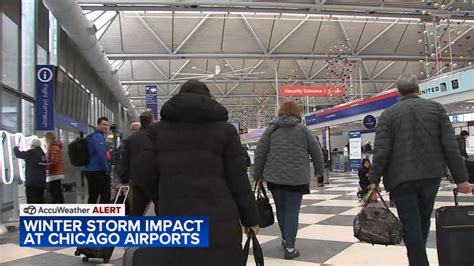
At Chicago O’Hare International Airport, one of the busiest aviation hubs in the world, the situation was equally dire. Both American Airlines and United Airlines, which maintain large-scale operations at ORD, were caught in the bottleneck. Thunderstorms battered the Midwest corridor, leading to a domino effect of cancellations.
Ramp closures, air traffic control slowdowns, and tarmac congestion became the new normal for the day. Some passengers who had already boarded were held on aircraft for extended periods, awaiting clearance to depart. Gate changes and mass rebookings led to long queues at customer service counters. Some flights were rerouted midair, while others were turned back after takeoff due to worsening conditions.
Reagan National Airport (DCA): Washington’s Tight Turnaround Trouble
Washington D.C.’s Reagan National Airport was another critical point of failure. Known for its proximity to the nation’s capital and short runway layout, the airport struggled to manage the intensity of the storm. The short approach routes made arrivals difficult, while saturated runways further delayed departures.
American Airlines, with a significant presence at DCA, bore the brunt of the weather-related cancellations. Passengers in Washington faced an almost complete shutdown of regional operations for hours, with little clarity about when normal service would resume. Customer service desks were overwhelmed, and airport staff had difficulty answering questions due to the rapidly evolving weather patterns.
Newark Liberty International (EWR): United’s Weather Nightmare
Over at Newark Liberty International Airport, United Airlines—whose major operational hub is based at EWR—experienced severe complications. Flights to and from the airport were backed up for miles in the air and across taxiways. The unpredictable storm system brought with it frequent lightning strikes, leading to multiple ground stops issued by the FAA.
Flight cancellations quickly accumulated as departure slots were wiped off schedules. Passengers attempting to connect through Newark found themselves either rebooked through alternative hubs or left waiting for hours. Several incoming flights were diverted to alternate airports in Pennsylvania and Connecticut.
John F. Kennedy International (JFK): International Flights in Limbo
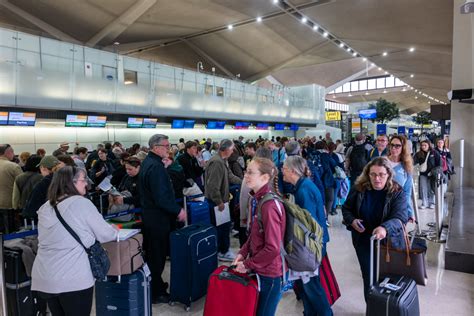
At JFK International, the storm system created chaos not just for domestic travelers but for international routes as well. Delta Air Lines, one of JFK’s cornerstone carriers, reported extensive delays and last-minute cancellations. Lightning and wind gusts forced aircraft to remain at gates longer than scheduled, causing significant scheduling backlogs.
As a result, transatlantic flights to Europe and long-haul flights to Asia were either pushed back or grounded altogether. International travelers were particularly affected due to limited visa durations and tight connection windows. Baggage retrievals were also delayed due to ramp crew restrictions during severe lightning intervals.
Dulles International Airport (IAD): Delays Ripple Through the Capital Region
Dulles International Airport, another D.C.-area airport, faced its own wave of cancellations. United Airlines operates a key hub at IAD, and the thunderstorms disrupted its wide-body and regional operations. Passengers were urged to check the United app or website for live updates, though system overloads often led to delays in information updates.
Some travelers reported receiving multiple conflicting notifications within a short span, adding to the confusion. Despite proactive communication attempts by the airlines, the lack of available seats due to widespread rerouting left many stranded for hours, and in some cases, overnight.
The Broader Impact: Thousands Left Scrambling Nationwide
This wave of cancellations is only the latest chapter in what has been an already tumultuous summer travel season. These thunderstorms have not only affected passengers in major hubs, but also impacted smaller regional airports, where flights often rely on major-city connections.
With hundreds of aircraft out of rotation and flight crews maxing out on allowable duty hours, rescheduling becomes increasingly difficult. Experts indicate that the effects of the current weather system could continue to ripple across airline schedules for the next 48–72 hours.
What Travelers Should Do: Actionable Tips to Navigate the Chaos
Passengers affected by these cancellations should consider the following measures to minimize inconvenience:
- Check flight status constantly: Use official airline apps or FAA websites for real-time updates.
- Avoid calling airlines unless necessary: Use chat support or mobile rebooking tools to skip long phone wait times.
- Actively monitor email and SMS alerts: Airlines often send rebooking offers or gate changes via electronic alerts.
- Be flexible with alternate airports or times: Accepting an earlier or later flight—even from a nearby airport—may get you to your destination faster.
- Pack smart: Always carry essentials in your hand luggage—snacks, chargers, medications, and a change of clothes.
Why This Storm Was Different: Meteorological Challenges Behind the Disruptions
The National Weather Service noted that this particular storm system was notable for its sustained strength, wide reach, and fast-moving cells. Unlike isolated summer storms, this multi-front system moved from the Midwest into the Northeast with persistent lightning and rotating winds, posing direct threats to aircraft on approach and ground personnel alike.
Weather radar imagery indicated severe convective activity at altitudes typically used for en route commercial flights. Pilots were forced to take longer diversion routes, which further strained limited airspace availability and caused a domino effect of delays.
What Comes Next: Airlines Brace for More Delays
While conditions have slightly improved in some regions, airline officials warn that the ripple effect of cancellations will persist for at least another two days. Crews have been displaced, and aircraft are stranded at out-of-network airports. Getting both planes and staff back to position will take coordinated logistics.
The FAA is working closely with major carriers to optimize air traffic flow and prioritize delayed flights. Airlines are also urging travelers who have flexibility to postpone non-essential travel, especially to heavily impacted regions like New York, Chicago, and Washington D.C.
In the meantime, airports have deployed additional staff to assist stranded passengers, including rolling out mobile charging stations, offering hotel vouchers in extreme cases, and providing updated queue information for rebooking desks.
Conclusion: A Wake-Up Call for Summer Travel Planning
This storm episode has once again highlighted the fragility of modern air travel when exposed to extreme weather events. Even with advanced meteorological tools and real-time data systems, the sheer unpredictability of nature continues to challenge airline resilience.
For passengers, the key takeaway is clear: prepare for the unexpected. Staying informed, remaining patient, and knowing your rights as a traveler can make all the difference when navigating a travel day disrupted by forces beyond human control.