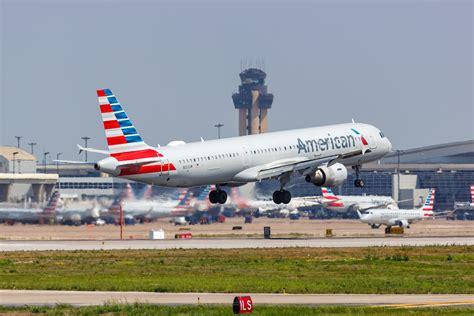
Severe weather disruptions have once again brought one of the busiest air hubs in the United States to a standstill. On Monday, July 14, 2025, an intense thunderstorm system sweeping across North Texas forced the Federal Aviation Administration (FAA) to impose a Ground Delay Program (GDP) at Dallas–Fort Worth International Airport (DFW). The result: hundreds of incoming and outgoing flights from major carriers like American Airlines, Delta Air Lines, Spirit Airlines, and United Airlines are experiencing significant delays, with ripple effects spreading across the national airspace.
Understanding the Ground Delay Program (GDP) at DFW
The FAA’s Ground Delay Program is a critical traffic management tool designed to maintain airspace efficiency during operational constraints—especially those caused by adverse weather. Under a GDP, inbound flights bound for a specific airport—in this case, DFW—are held at their departure airports until they are cleared for arrival. This prevents aircraft from being caught in long airborne holding patterns, which burn excessive fuel and increase air traffic congestion.
In today’s case, the low cloud ceilings, rolling thunderstorms, and limited runway visibility have made it nearly impossible for DFW to sustain normal arrival rates. Air Traffic Control (ATC) has therefore initiated flow restrictions that will remain in place until at least 8:00 p.m. Central Daylight Time (CDT), though the timeline remains fluid depending on how the storm system evolves.
Storm-Fueled Delays Affect National Airspace
While the average delay for inbound flights stands at 14 to 15 minutes, that number belies the cascading effects such a GDP can unleash across the aviation ecosystem. Multiply a 15-minute average across hundreds of flights and thousands of passengers, and you start to grasp the system-wide implications: missed connections, crowded gates, extended duty times for flight crews, and ultimately, flight cancellations.
According to FAA data, today’s weather conditions have already caused a significant bottleneck in DFW’s air traffic, as thunderstorms continue to cycle in intensity throughout the day. Each fluctuation forces adjustments to incoming flight sequences, while communication must be continually re-established between the Air Traffic Control System Command Center (ATCSCC), local control towers, and airline operations centers.
American Airlines Takes the Brunt of Operational Strain
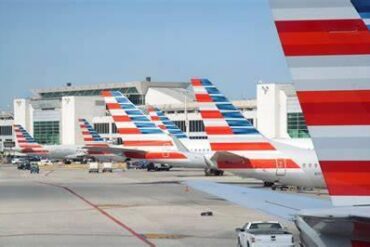
DFW serves as a primary hub for American Airlines, which means that the carrier bears the lion’s share of the disruption. With limited arrival slots and increased fuel consumption from extended ground holds, American must navigate an incredibly narrow operational window.
The impact doesn’t stop with delayed arrivals and departures. The airline must also factor in:
- Rebooking displaced passengers
- Crew duty limitations and potential reassignments
- Aircraft repositioning logistics
- Ongoing updates to digital booking and notification systems
All of these factors, coupled with the uncertainty of weather patterns, complicate how airlines can react in real time. Notably, the FAA does not control flight cancellations directly; that responsibility lies with each carrier based on their own logistical assessments.
Thunderstorms as the Primary Disruptor
North Texas is no stranger to volatile weather patterns, especially during the transitional summer months. What makes today’s storms particularly disruptive is their multi-cellular nature—scattered but dense formations that are difficult to predict and maneuver around.
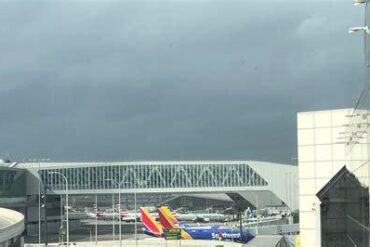
At present, skies over DFW remain a thick blend of low clouds, frequent lightning, and restricted visibility. Pilots report barely being able to spot runway markers until the last possible moment. Under such conditions, safety takes precedence above all else, which justifies the FAA’s firm stance in implementing a Ground Delay Program.

Delta, Spirit, and United Also Caught in the Dragnet
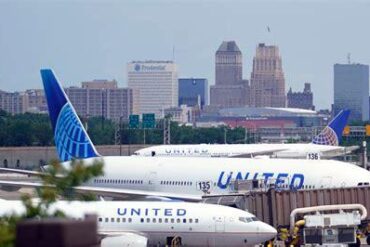
While American Airlines faces the most exposure due to its DFW hub status, other major carriers are also deeply impacted. Delta, Spirit, and United—each of which operate numerous daily flights into DFW—have been forced to reschedule, delay, or temporarily hold flights pending FAA clearance.
These carriers must coordinate tightly with FAA officials to stay updated on evolving traffic management directives. For passengers, this translates to prolonged wait times, fewer available rebooking options, and often, limited compensation since the delays fall under weather-related exemptions in airline policies.
Airlines Caught Between Regulation and Logistics
The complex interplay between FAA directives and airline logistics makes the Ground Delay Program a stressful time for all involved. Though the FAA provides real-time air traffic control management, it leaves the operational burden—such as passenger management and flight planning—squarely on the shoulders of each airline.
This decentralized responsibility explains why the FAA has not released any confirmed numbers of canceled flights. Any such data currently circulating through media or social channels should be viewed as tentative unless confirmed by the airlines themselves.
Traveler Guidance During the Ground Delay Program
For those scheduled to fly into or out of DFW today, there are some critical steps that can help mitigate the chaos:
- Monitor your flight status closely: Use airline apps, flight tracker websites, or call customer service directly.
- Arrive at the airport early: Security lines and potential gate changes could eat into your buffer time.
- Pack for delays: Bring chargers, snacks, and any medication you may need for a prolonged wait.
- Avoid tight layovers: If you’re traveling internationally or have critical connections, consider rescheduling.
DFW’s Ground Delay Program is a vivid demonstration of how fragile and interconnected our national airspace infrastructure truly is. When one node experiences weather-based interference, the effects can be felt across the country and, in some cases, internationally.
Outlook: Ground Delay Program in Place Until at Least 8:00 p.m. CDT
As of this writing, the FAA has stated that the GDP for DFW will remain active until after 8:00 p.m. CDT, with no definitive end in sight. Whether the program is extended will depend heavily on:
- The evolution of the current storm system
- Runway clearing operations at DFW
- Airspace capacity as judged by the ATCSCC
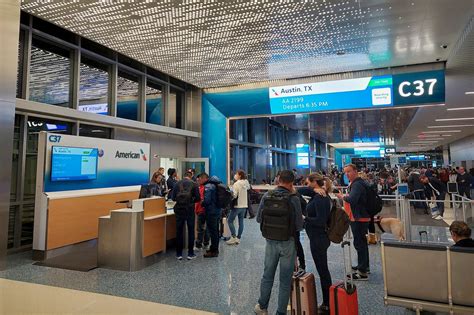
For travelers, that means more waiting, more uncertainty, and more reliance on airlines to provide timely and transparent updates. The FAA has promised to monitor weather conditions continuously and adjust the program as warranted. However, passengers should prepare for the possibility that tonight’s air traffic may remain tangled well into the evening.
Conclusion: Storms, Systems, and the Strain on U.S. Air Travel
Today’s Ground Delay Program at DFW serves as a stark reminder of how vulnerable U.S. aviation is to sudden weather shifts, especially in weather-prone states like Texas. Despite highly advanced systems and real-time coordination, the human and technical challenge of managing hundreds of flights simultaneously under severe constraints remains monumental.
Travelers, carriers, and regulators are all entwined in a logistical ballet shaped by forces outside their control. The one consistent takeaway: flexibility is key, and safety will always come first.
Stay updated. Stay patient. And, if possible, stay grounded until the skies over North Texas begin to clear.