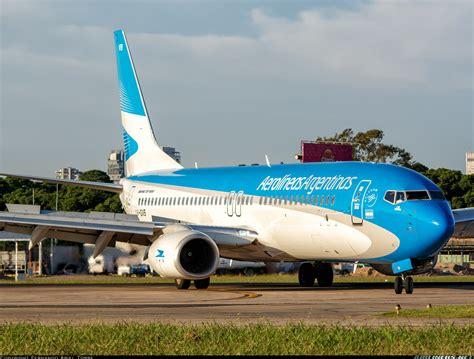
As of June 2025, the global airline industry finds itself in its most volatile state since the pandemic. What began as isolated labor disputes has snowballed into a coordinated wave of pilot strikes and operational chaos, crippling carriers from Buenos Aires to Dallas. Aerolíneas Argentinas is the latest airline to plunge into this escalating crisis, joining Qantas Express, Southwest Airlines, and Finnair in a saga that now threatens to destabilize international travel for millions.
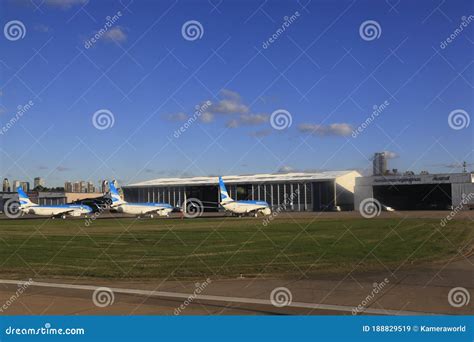
Aerolíneas Argentinas Grinds to a Halt Amid Pilot Walkout
On the morning of June 10, Aerolíneas Argentinas, Argentina’s flagship and state-owned airline, abruptly canceled 22 flights and rescheduled 28 more, stranding nearly 6,000 passengers. The strike, organized by unionized pilots operating from both Ezeiza International Airport and Aeroparque Jorge Newbery, marks a flashpoint in Argentina’s already fragile transportation infrastructure. The timing couldn’t be more perilous: the country’s winter tourism rush is just beginning, with popular destinations like Bariloche, Mendoza, and Ushuaia depending heavily on reliable domestic flights.
The strike is set to last until 2 a.m. Wednesday, but uncertainty looms beyond that deadline. Financial losses are already projected at $1.1 million, a substantial blow for an airline still reeling from the post-pandemic slump, macroeconomic headwinds, and a tightening fiscal environment.
Behind the Cockpit Doors: Root Causes of the Strike
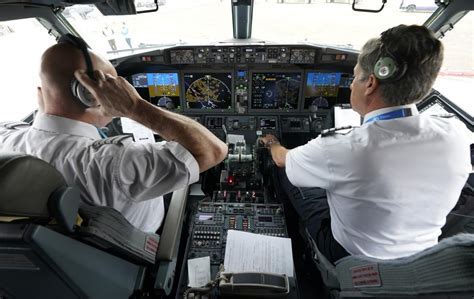
According to pilot unions, this walkout isn’t merely about paychecks—it’s a direct response to years of managerial neglect and broken contractual agreements. Pilots cite ongoing salary stagnation, deteriorating working conditions, and an alarming lack of modernization within the airline’s fleet and processes. Morale among crews has hit rock bottom, exacerbated by unexplained schedule changes and last-minute procedural directives that they claim compromise flight safety.
“Pilots aren’t just pushing for higher salaries—they’re demanding a strategy,” noted a union spokesperson. “We’re flying outdated aircraft, working erratic hours, and receiving little communication from the top.”

National Consequences: A Blow to Tourism and Travel Confidence
This isn’t merely an airline hiccup—it’s a full-blown national disruption. With thousands of would-be travelers grounded, Argentina’s hospitality sector is bracing for collateral damage. Local economies in tourism-dependent regions are vulnerable, especially during winter when domestic travel fills hotels, ski resorts, and tour bookings.
Tour operators are scrambling to rebook clients while hoteliers report mass cancellations. The downstream impact could be devastating if the strike stretches on, triggering a domino effect across Argentina’s tourism value chain. “Each lost tourist dollar takes days, if not weeks, to recover,” said a spokesperson for the National Chamber of Tourism.
Even more troubling is the blow to Argentina’s international reputation as a travel hub. Online forums are already buzzing with stories of stranded travelers, missed connections, and ruined vacations. With global attention shifting towards seamless, safe, and reliable travel post-COVID, Argentina’s air chaos risks pushing high-value tourists toward competitors like Chile, Brazil, or Peru.
Strikes Without Borders: Global Aviation Disrupted
Aerolíneas Argentinas may be the latest to fall, but it is by no means alone. Across continents, the aviation labor movement is gaining momentum.
In Australia, Qantas Express freight pilots are preparing for industrial action, supported by the AFAP and TWU unions. Their grievances center on pay inequality, forced roster compliance, and long hours that are increasingly seen as unsustainable. Though negotiations are ongoing, a strike would interrupt critical cargo routes, affecting sectors from pharmaceuticals to fresh produce.
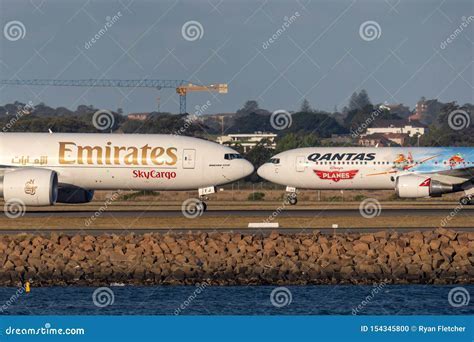
In the United States, Southwest Airlines faces rising tensions. The Southwest Airlines Pilots Association (SWAPA) is currently in mediation, but talks are showing signs of breakdown. A full-scale strike could cripple one of America’s largest domestic carriers during the high-demand summer vacation season.
Meanwhile, Finnair in Finland offers the only recent example of successful resolution. On June 8, the airline reached a landmark agreement with its pilots after a 10-month impasse, restoring flight schedules and offering hope that negotiated solutions are still possible.
What’s Fueling the Unrest?
Although these strikes span three continents, the underlying factors are strikingly consistent:
- Post-pandemic labor fatigue: Pilots who endured deep pay cuts and extreme schedules during COVID-19 are now demanding fair restitution.
- Rising inflation: Soaring costs of living are pressuring unions to secure better compensation packages.
- Safety and work-life balance: Pilots are pushing back against erratic scheduling and outdated safety practices.
These demands are not just about dollars—they’re about dignity, safety, and sustainability in one of the world’s most high-stakes industries.
Aerolíneas Argentinas: Political Turmoil and Strategic Uncertainty
This latest crisis also raises difficult questions about the future of Aerolíneas Argentinas as a state-owned entity. Management has publicly criticized the strike, accusing unions of failing to submit formal demands and framing the walkout as politically motivated. That statement has only fueled more union anger.
But behind the rhetoric lies a deeper reality: institutional instability. The airline’s leadership is under increasing scrutiny from both domestic lawmakers and international aviation regulators. Calls for reform—or even privatization—are gaining traction as operational failures mount.
If Aerolíneas Argentinas is to survive this period of unrest, it must undergo deep structural and cultural transformation. Analysts warn that failing to resolve labor tensions quickly and transparently could result in long-term reputational damage, investor pullback, and loss of market share to nimble regional competitors.
Passengers Left in Limbo: The Human Cost
While executives and unions battle it out, it is the passengers who suffer most. Families heading to snow-capped Patagonia, honeymooners en route to Mendoza’s wine country, and business travelers navigating multi-leg itineraries are all facing missed flights, lost hotel bookings, and sleepless nights.
The airline has offered free rescheduling and refunds through its channels, but customer service centers are overwhelmed, and online booking platforms are crashing under traffic. For travelers, the stress, uncertainty, and lack of transparency are eroding trust in a brand that once symbolized national pride.
“It’s not just a delay—it’s the end of our holiday,” said one stranded traveler. “And there’s no information, no help, just chaos.”
Regional Competitors Eye Opportunity
As Aerolíneas Argentinas falters, LATAM, Copa Airlines, and Azul are quietly preparing to seize the moment. Each of these carriers has expanded routes, increased fleet investments, and boosted digital services in anticipation of post-pandemic travel recovery.
Industry insiders suggest these players are watching Argentina’s labor troubles closely, potentially rerouting capacity or launching marketing campaigns aimed at disillusioned travelers. If the strike extends or reoccurs, market share shifts could become permanent.
Looking Ahead: Turbulence or Transformation?
The most urgent question now is whether this strike is a temporary disruption or a symptom of systemic failure. Argentina’s Easter truce earlier this year postponed deeper conflict but failed to address core grievances. That fragility is now exposed.
A lasting resolution will require more than empty negotiations. It will demand transparent governance, updated labor policies, fleet modernization, and genuine respect for the aviation professionals who keep the system running. Anything less risks turning a short-term walkout into a prolonged national crisis.
For now, the skies over Argentina—and across much of the aviation world—remain deeply unsettled. As pilots, passengers, and policymakers navigate this complex storm, one thing is clear: the future of global air travel depends not just on machines or markets, but on people who can no longer be ignored.