AirAsia X Berhad, operating under the brand AirAsia X (IATA: D7, ICAO: XAX, Callsign: XANADU), has carved a unique niche in the global aviation landscape as a Malaysian long-haul, low-cost airline. A key subsidiary of the wider AirAsia Group, AirAsia X has been instrumental in making international travel more accessible, particularly across the Asia-Pacific region and beyond. Founded on May 17, 2007, as FlyAsianXpress before its strategic pivot, the airline officially commenced its transformative long-haul operations on November 2, 2007. Headquartered in Sepang, Selangor, Malaysia, near its primary operating base at Kuala Lumpur International Airport (KLIA), AirAsia X has navigated a dynamic and often challenging industry, demonstrating resilience and a commitment to its pioneering low-cost model. The airline’s journey is one of ambitious expansion, strategic realignments, and a relentless pursuit of efficiency, culminating in its current efforts to merge with AirAsia under a unified AirAsia Group brand, a move poised to further solidify its competitive standing.
The Genesis: From FlyAsianXpress to AirAsia X
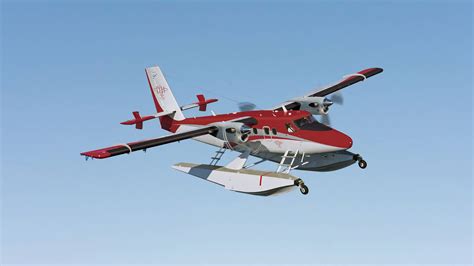
The story of AirAsia X begins with FlyAsianXpress (FAX), a regional airline established in 2006. Initially, FAX was entrusted with a significant public service role: operating Malaysia’s Rural Air Service (RAS) routes. This initiative was primarily focused on connecting underserved communities, especially within Malaysian Borneo, aligning with the broader AirAsia Group’s mission of democratizing air travel. FAX utilized aircraft like the DHC-6 Twin Otter to service these vital, yet often commercially challenging, routes. However, the operational realities of the RAS network soon presented considerable difficulties for FAX. The airline grappled with issues such as inconsistent passenger demand on several routes, complex maintenance requirements for its aircraft, and the occasional, disruptive flight cancellations. These cumulative challenges began to impact the airline’s service reliability and raised questions about the long-term viability of its RAS operations under the FAX banner. By early 2007, the consensus grew that a more specialized operator was needed to effectively manage the RAS routes. Recognizing these operational headwinds, on April 11, 2007, Tony Fernandes, the charismatic CEO of AirAsia, publicly proposed the transfer of these rural services. The suggested recipient was Firefly, a subsidiary of Malaysia Airlines, which possessed greater experience and resources in handling turboprop operations. Following government approval, this strategic transfer was finalized on April 26, 2007, marking the end of FAX’s involvement in the RAS network. Subsequently, the crucial RAS flights in Malaysian Borneo were taken over by MASwings, a newly formed airline under the ownership of Malaysia Airlines, specifically created to serve these communities.
This divestment from rural services proved to be a pivotal moment, allowing the entity to refocus its strategy. In 2007, a significant transformation began as the airline shifted its ambitions towards the long-haul, low-cost sector, a market segment with immense potential but also considerable risks. This strategic pivot culminated in the rebranding of the airline to AirAsia X in September 2007. The new name itself carried a touch of edgy inspiration; Tony Fernandes revealed that “AirAsia X” was influenced by Yoshiki, the iconic leader of the Japanese rock band X Japan, reflecting a desire for a bold and dynamic brand identity. To bolster its ambitious launch into the long-haul market, AirAsia X secured a crucial investment from Sir Richard Branson’s Virgin Group, which acquired a 20% stake in the airline. This capital injection was vital for financing aircraft acquisitions and funding initial operations. Branson, a renowned innovator in the aviation industry himself, also highlighted the potential for synergistic collaborations with Virgin Blue (now Virgin Australia), envisioning codeshare agreements and integrated loyalty programs that would enhance connectivity and offer greater value to passengers. The airline’s first aircraft, an Airbus A330, was delivered on September 15, 2007, at Kuala Lumpur International Airport. In a poignant tribute to a pioneer of low-cost aviation, the aircraft was named “Semangat Sir Freddie” (Spirit of Sir Freddie), honoring Sir Freddie Laker, the founder of the Skytrain service. The much-anticipated inaugural long-haul flight of AirAsia X took place on November 2, 2007, connecting Kuala Lumpur with Gold Coast, Australia. This landmark flight, with promotional fares starting as low as MYR 50 (approximately USD 17 at the time), signaled AirAsia X’s official entry into the international long-haul market and set the stage for its future growth.
Early Expansion and Navigating Turbulence (2008-2012)
Following its successful launch, AirAsia X embarked on a period of rapid network expansion between 2008 and 2009. The airline strategically targeted key markets, initially focusing on Australia, where it added services to Melbourne and Perth, capitalizing on the strong travel demand between Southeast Asia and the Australian continent. Simultaneously, it ventured into the burgeoning Chinese market with flights to Hangzhou, a popular tourist and economic hub. A core tenet of its low-cost strategy was the careful selection of airports; AirAsia X consciously avoided high-cost gateways like Sydney Airport in its initial Australian foray, opting instead for more economical alternatives such as Avalon Airport for Melbourne-bound flights later on, to maintain operational efficiency and keep fares competitive. The airline’s ambitions soon extended beyond the Asia-Pacific region. In 2009, AirAsia X made a significant leap by launching direct flights from Kuala Lumpur to London-Stansted Airport, marking its bold entry into the highly competitive European intercontinental market. This service was later shifted to London-Gatwick Airport in 2011, reflecting ongoing adjustments to optimize its European operations. The expansion continued into 2010 with the addition of Paris-Orly Airport to its European network. These moves were groundbreaking, establishing AirAsia X as the first budget carrier to effectively serve the historic Kangaroo Route, connecting Australia, Southeast Asia, and Europe with affordable fares.
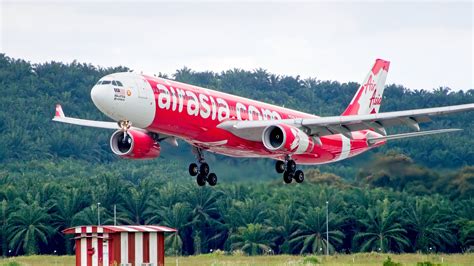
However, the period from 2010 to 2012 brought significant challenges that tested the resilience of AirAsia X’s model. The airline encountered considerable headwinds from sharply rising global fuel costs, a critical expense for any airline, but particularly impactful for a low-cost carrier operating long-haul routes. Simultaneously, competition in the long-haul sector intensified, with both legacy carriers and other low-cost airlines vying for market share. These pressures began to strain AirAsia X’s profitability and its ability to maintain its ultra-low-cost structure. In response, the airline undertook a comprehensive reassessment of its network and operational strategies, focusing on optimizing routes and enhancing cost management. This period was characterized by a series of strategic adjustments aimed at preserving its core business model amidst a challenging economic environment. By 2012, the financial realities led AirAsia X to make difficult decisions, including the withdrawal from several unprofitable routes. Services to key destinations such as Delhi, Mumbai, Paris, and London were suspended, with the airline citing high operational costs, including exorbitant airport taxes in Europe and escalating fuel prices, coupled with insufficient passenger demand on these specific routes to sustain profitability. Despite these significant setbacks, AirAsia X continued to explore new avenues for growth. It launched flights to Sydney in April 2012, finally tapping into Australia’s largest city, and Beijing in June of the same year, further strengthening its presence in China. Nevertheless, the airline also had to suspend services to Tianjin and Tehran due to a combination of economic factors and operational challenges. This phase of trial and error underscored AirAsia X’s ongoing efforts to strike a delicate balance between ambitious expansion and the imperative of long-term financial sustainability in a fiercely competitive global aviation market.
Public Listing, Strategic Growth, and Pre-Pandemic Expansion (2013-2019)
The year 2013 marked a significant corporate milestone for AirAsia X as it successfully launched an initial public offering (IPO) on the Bursa Malaysia stock exchange. This strategic move raised approximately MYR 988 million (USD 310 million at the time), providing a substantial infusion of capital. These funds were earmarked for crucial initiatives, primarily focused on expanding its aircraft fleet and further enhancing its operational capabilities, thereby underpinning the airline’s long-term growth ambitions. Following the IPO, AirAsia X intensified its strategic focus on the Asia-Pacific region, a market characterized by rapidly growing demand for affordable air travel. Fleet expansion became a central pillar of this strategy, with the airline progressively acquiring more Airbus A330 aircraft, the workhorse of its long-haul fleet, to strengthen its network and increase capacity on popular routes. This commitment to fleet modernization and expansion continued over the subsequent years. By 2015, AirAsia X had successfully introduced new destinations to its network, including Sapporo (New Chitose Airport) in Japan, further extending its reach within North Asia and catering to both leisure and business travelers. Despite these positive developments, the airline continued to navigate the persistent challenges of fluctuating fuel prices and an increasingly competitive aviation landscape, necessitating ongoing strategic adjustments and a relentless focus on cost control.
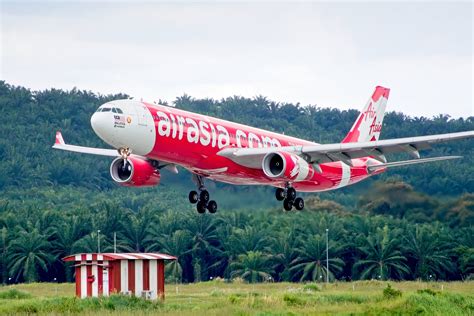
In response to the dynamic market conditions, AirAsia X increased flight frequencies on its most popular and profitable routes. By 2016, there was a heightened emphasis on operational efficiency. This involved meticulous optimization of flight schedules to maximize aircraft utilization, concerted efforts to reduce operational costs across all facets of the business, and strategies to improve passenger load factors. The adoption of new technology solutions also played a crucial role in streamlining various operational processes and enhancing customer engagement, from booking to in-flight services. The airline’s expansion trajectory continued into 2017, a year that saw AirAsia X make its much-anticipated entry into the North American market with the launch of flights to Honolulu, Hawaii, in June, typically routed via Osaka, Japan. This was a significant step, extending its low-cost model to trans-Pacific routes. Later that year, in December, services to Jeju, South Korea, were inaugurated, tapping into another popular leisure destination. In 2018, demonstrating its commitment to cost management, AirAsia X relocated its Melbourne operations from Tullamarine Airport to Avalon Airport, a secondary airport offering lower operating costs, while aiming to maintain service quality and accessibility for passengers in the Victoria region. By 2019, on the eve of the global pandemic, AirAsia X had successfully added several new international routes from its Kuala Lumpur hub. These included services to Fukuoka and further flights to Tokyo (Narita) and Osaka (Kansai) in Japan, Lanzhou in China, Taipei in Taiwan, and even short-haul connector flights to Singapore, showcasing a diversified approach to network development and a strong position within the key Asian travel markets.
Navigating the COVID-19 Pandemic and Phased Recovery (2020-2022)
The unprecedented outbreak of the COVID-19 pandemic in early 2020 delivered a catastrophic blow to the global travel and aviation industries, and AirAsia X was profoundly affected. As international borders slammed shut and travel demand plummeted, the airline was forced to suspend virtually all its scheduled flight operations in March 2020. This abrupt cessation of services led to an immediate and severe financial crisis for the airline, which, like many others, faced a near-total loss of revenue while still contending with significant fixed costs. The dire financial situation necessitated drastic measures, and in October 2020, AirAsia X formally embarked on a comprehensive debt restructuring process to address its mounting liabilities and seek a path towards financial viability. Throughout 2021, AirAsia X effectively entered a hibernation phase. During this period, the airline drastically scaled down its activities, focusing on conserving its limited cash reserves and undertaking a fundamental review of its business model. The goal was to prepare for a phased and sustainable recovery in a post-pandemic world, acknowledging that the travel landscape would likely be significantly altered. This period involved difficult negotiations with creditors, lessors, and other stakeholders to restructure its financial obligations, reduce its cost base, and resize its operations to align with anticipated future demand.
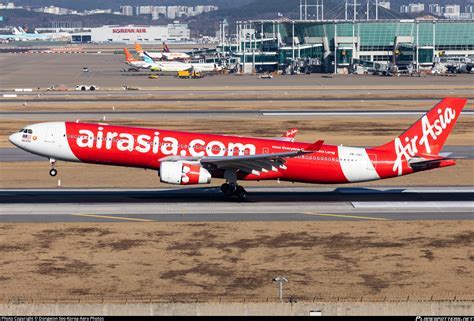
A critical turning point came in March 2022, when AirAsia X announced the successful completion of its debt restructuring plan, having received the necessary court approvals. This complex process allowed the airline to write back a significant portion of its liabilities, providing a much-needed lifeline and a cleaner balance sheet. With the restructuring finalized, AirAsia X was able to shift its focus towards gradually resuming passenger services. The airline adopted a cautious and strategic approach to its operational restart, prioritizing routes that demonstrated a higher likelihood of profitability and strong underlying demand. Commencing in April 2022, services were progressively reintroduced, with initial flights focusing on key destinations such as Seoul (Incheon) and Delhi, which had historically been strong markets for the airline. This carefully managed resumption of operations marked the beginning of AirAsia X’s journey out of hibernation, repositioning itself for a challenging but hopeful recovery in an evolving and uncertain international travel market. The restructuring was pivotal, enabling the airline to streamline its operations, optimize its fleet, and adopt a more agile approach to navigate the complexities of the post-pandemic aviation environment.
Rebuilding Momentum and the Path to Unification (2023-Present)
AirAsia X’s recovery efforts began to show significant positive results in 2023, a year that marked a substantial turnaround in its operational performance. The airline successfully carried over 2.8 million passengers during the year, a staggering 6.8-fold increase compared to the passenger numbers recorded in 2022. This remarkable growth was accompanied by a healthy passenger load factor (PLF) of 80%, indicating strong demand across its reinstated network. This resurgence was largely driven by the strategic increase in flight frequencies on key, high-demand routes, including those connecting Kuala Lumpur with Seoul, Sydney, and Melbourne. The momentum continued into the fourth quarter of 2023, during which AirAsia X experienced a 2.6-fold year-on-year growth in passenger volume, carrying 890,289 passengers and achieving an impressive PLF of 82%. These figures underscored the effectiveness of its recovery strategy and the returning confidence of travelers.
Building on this positive trajectory, AirAsia X continued to expand its global reach in 2024. A significant milestone was the launch of its first-ever flight to Nairobi, Kenya, in November 2024, marking the airline’s strategic entry into the African market. This move signaled an ambition to explore new, potentially underserved long-haul corridors. Additionally, AirAsia X introduced flights to Almaty, Kazakhstan, further diversifying its network and reflecting a strategic focus on tapping into emerging markets in Central Asia. As of 2024, the airline operates services to 22 destinations from its hub at Kuala Lumpur International Airport, a testament to its ongoing recovery and growth strategy. A landmark development for the future of the AirAsia brand was confirmed in December 2024 by Tony Fernandes, CEO of Capital A (the parent investment company). He announced definitive plans for AirAsia X and AirAsia (the short-haul arm) to merge under a single, unified brand: AirAsia Group. This strategic consolidation aims to simplify the airline’s overall operational structure, eliminate redundancies, and consolidate its market presence. By uniting the distinct long-haul and short-haul operations under one cohesive brand, the AirAsia Group seeks to achieve greater operational efficiencies, enhance network synergies, and ultimately strengthen its competitive position within the dynamic global aviation industry. This unification is envisioned as the next chapter in the evolution of the AirAsia brand, promising a more integrated and powerful airline group.
Diverse Destination Network
AirAsia X has cultivated an extensive network spanning across Asia, Australia, and venturing into new continents. As of July 2024, the airline serves a variety of destinations, though its network has seen dynamic changes over the years due to strategic shifts, market conditions, and global events. Key markets have historically included Australia, with ongoing services to Melbourne (Tullamarine), Perth, and Sydney. While Gold Coast and Adelaide were previously served, and a brief operation to Avalon Airport near Geelong occurred, the focus remains on major capital cities. In China, AirAsia X maintains connections to Chengdu (Tianfu) and Chongqing, having previously served Beijing (Capital and Daxing), Changsha, Hangzhou, Lanzhou, Shanghai, Wuhan, and Xi’an, reflecting the fluctuating demand and competitive landscape in this vast market.
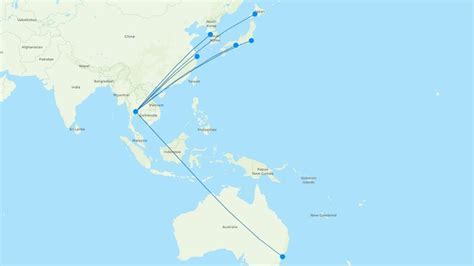
Japan remains a crucial market with flights to Osaka (Kansai), Sapporo (New Chitose), and Tokyo (Haneda). Former destinations included Fukuoka, Nagoya, Okinawa, and Tokyo (Narita). South Korea is prominently featured with robust services to Seoul (Incheon), though Busan and Jeju were served in the past. The airline has a significant presence in India, currently flying to Delhi (Indira Gandhi International Airport). Previously, routes to Ahmedabad, Amritsar, and Jaipur, and Mumbai were operational. Its Southeast Asian footprint includes flights to Denpasar (Bali) in Indonesia. Services to Hong Kong and Singapore have been terminated as the airline focuses on longer-haul routes distinct from its short-haul sister company. Further afield, AirAsia X has made strategic entries into Central Asia with flights to Almaty, Kazakhstan, and Africa with services to Nairobi, Kenya (though this route is slated to end in September 2025). The airline also operates seasonal flights to Jeddah and Medina in Saudi Arabia, catering primarily to religious pilgrimage traffic. A new service to Karachi, Pakistan, is planned to commence in May 2025. Notably, past ambitious forays into Europe saw services to Paris (Orly), London (Gatwick and Stansted), and even Tehran, Iran, which were later discontinued. Similarly, services to Auckland and Christchurch in New Zealand, and Honolulu in the United States, have also been terminated as the airline refines its network strategy. The airline’s home base remains Kuala Lumpur International Airport (KLIA2), serving as the central hub for all its operations, with seasonal flights also operated to Kota Kinabalu within Malaysia.
Fleet Strategy: Present and Future
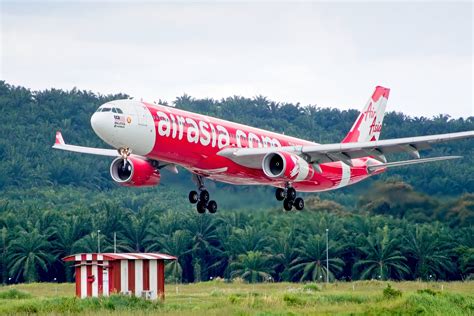
AirAsia X’s fleet strategy is central to its low-cost, long-haul operational model, primarily relying on Airbus wide-body aircraft. As of October 2024, the core of its operational fleet consists of 18 Airbus A330-300 aircraft. These aircraft are configured in various layouts to cater to different market demands: some feature a two-class configuration with 12 Premium Flatbed seats and 365 economy seats, totaling 377 seats; another configuration includes 18 Premium Flatbeds and 309 economy seats for a total of 309 passengers; and a high-density all-economy version accommodates 367 passengers. This flexibility allows AirAsia X to optimize capacity and product offering based on route characteristics. The airline also has one additional A330-300 on order.
Looking towards the future, AirAsia X has placed significant orders for next-generation Airbus aircraft. This includes an order for 20 Airbus A321XLR (Extra Long Range) aircraft. These narrow-body jets are designed for longer routes than traditional single-aisle aircraft and are expected to feature an all-economy layout with 232 seats. The A321XLR will enable AirAsia X to operate thinner long-haul routes more economically. Furthermore, the airline has 15 Airbus A330-900 (A330neo) aircraft on order. The A330neo offers improved fuel efficiency and passenger comfort compared to the older A330ceo models. These are planned to be configured with 12 Premium Flatbed seats and 365 economy seats, mirroring one of its existing A330-300 layouts. Deliveries for these A330neo aircraft were initially delayed due to the COVID-19 pandemic but are now expected to commence from 2026, aligning with the airline’s post-pandemic recovery and growth plans.
Historically, AirAsia X operated a small fleet of two Airbus A340-300 aircraft. These four-engine jets were introduced in 2007 and were primarily utilized for its initial ultra-long-haul services to Europe, including routes to London–Gatwick, London–Stansted, and Paris-Orly. However, the A340s, being less fuel-efficient than twin-engine alternatives, were phased out by 2015 as the airline streamlined its fleet around the more economical A330s. In terms of fleet development, AirAsia X has explored various options over the years. In 2009, an order for 10 Airbus A350-900s was placed, but this was subsequently canceled in April 2018, reportedly due to rising prices. At one point in February 2018, CEO Tony Fernandes mentioned that the airline was considering the Boeing 787 Dreamliner for fleet expansion, but this option was not pursued. By September 2018, reports indicated that AirAsia X was evaluating the use of Airbus A321neo and A321LR aircraft alongside its A330s, recognizing the potential cost savings of up to 16% on variable costs and 5% on fixed costs by deploying narrow-body aircraft on shorter long-haul routes (up to 7-9 hours). Despite the pandemic-induced delivery deferrals announced in March 2020 for its A330-900s, by June 2022, AirAsia X reaffirmed its commitment to receiving both the Airbus A330neos and A321XLRs, with deliveries anticipated to begin in 2026, signaling a clear path for fleet modernization and expansion.
Corporate Structure and Operational Prowess
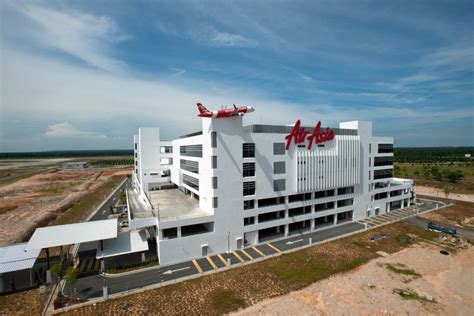
AirAsia X’s corporate headquarters, known as RedQ, is strategically located at Kuala Lumpur International Airport Terminal 2 (klia2) in Sepang, Selangor, Malaysia. This facility serves as the central hub for both AirAsia X and its short-haul affiliate AirAsia, fostering operational synergy. Prior to the completion of RedQ, AirAsia X’s head office was situated at the LCC Terminal (Low-Cost Carrier Terminal) at KLIA, while its registered office was located in Menara Prima Tower B, Petaling Jaya, Selangor. The development of RedQ, a sprawling 613,383-square-foot facility designed to accommodate approximately 2,000 employees from both airlines, was a significant undertaking. The groundbreaking ceremony for this integrated headquarters took place in November 2014, and its name, “RedQuarters” or “RedQ,” was aptly chosen by a Filipina flight attendant, January Ann Baysa, reflecting the airline’s vibrant brand identity.
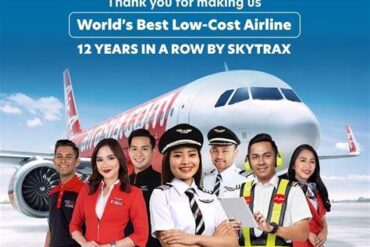
A cornerstone of AirAsia X’s business model is its exceptionally low cost structure. The airline has consistently ranked among the world’s most cost-efficient long-haul carriers. In 2015, its Cost per Available Seat-Kilometre (CASK) stood at a mere US$0.0351, or an even more impressive US$0.0240 when excluding fuel costs. This lean operational framework enables AirAsia X to offer airfares that are typically 30% to 50% lower than those of traditional full-service long-haul airlines. This cost advantage is achieved through a multi-faceted approach, including high aircraft utilization, a no-frills service model where ancillary services are unbundled, and strategic airport choices. Furthermore, AirAsia X leverages significant operational synergies with its affiliate, AirAsia. This collaboration extends across various functions, including staff management, fuel hedging strategies, joint marketing initiatives, and shared information technology systems. These economies of scale, typically unavailable to smaller, standalone airlines, provide AirAsia X with a distinct competitive edge in managing its costs effectively.
The airline’s financial journey has been supported by key investors and public markets. Early on, the entry of two major investors provided crucial financial backing for its ambitious expansion plans. As of February 14, 2008, Aero Ventures – a consortium including Tony Fernandes, other prominent Malaysian entrepreneurs, and Air Canada’s Robert Milton – held a 48% stake in AirAsia X. The Virgin Group, led by Sir Richard Branson, owned 16%, with AirAsia Berhad itself holding another 16%. Subsequently, Bahrain-based Manara Consortium and Japan’s Orix Corp jointly acquired a 20% stake for RM250 million, further bolstering its capital base. AirAsia X was listed on the Bursa Malaysia (Kuala Lumpur Stock Exchange) on July 10, 2013. Shares were offered at MYR1.25 (approximately US$0.39) per share, raising MYR988 million (US$310 million at 2013 exchange rates) and valuing the company at MYR3 billion (US$940 million). However, the stock’s debut performance was muted, closing unchanged on its first day of trading, which Bloomberg described as the “second-worst trading debut in Malaysia” that year. As of October 10, 2016, the share price was MYR0.39, giving the company a market capitalization of MYR1.62 billion (US$390 million). According to data cited by The Edge in February 2022, the largest shareholder in AirAsia X Berhad was Tune Group, the private investment vehicle of Tony Fernandes and Kamarudin Meranun, holding a 17.8% stake. Collectively, Fernandes and Meranun held an indirect stake of 31.59%, while Capital A Berhad (the rebranded AirAsia Group Berhad) owned an additional 13.8%.
Affiliate Airline Ventures
AirAsia X extended its long-haul, low-cost model through affiliate airlines in other key Asian markets, aiming to replicate its success and tap into regional demand. Two notable ventures were Indonesia AirAsia X and Thai AirAsia X.
Indonesia AirAsia X was established as the medium and long-haul division of Indonesia AirAsia. It operated with the same cost-efficient principles, sharing ticketing systems, aircraft livery, and management style with its Malaysian parent. The airline initially focused on medium-haul routes from its base in Bali (Denpasar), with services to destinations like Mumbai and Tokyo. It also operated some short-haul flights connecting Jakarta, Denpasar, and Surabaya. However, Indonesia AirAsia X faced considerable operational and regulatory challenges. For instance, its planned Melbourne route in 2014 was canceled due to a lack of timely government approval. The Taipei route was also discontinued in September 2015. By late 2018, the airline announced it would cease all scheduled operations by January 2019, transitioning to providing non-scheduled (charter) services. Ultimately, Indonesia AirAsia X ceased all operations and was liquidated on October 17, 2020, as part of the broader AirAsia Group’s restructuring efforts prompted by the financial impact of the COVID-19 pandemic.
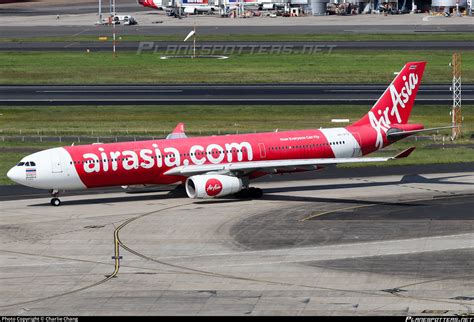
Thai AirAsia X emerged as a more enduring affiliate. Established on September 18, 2013, it is a joint venture between AirAsia and prominent Thai entrepreneurs Tassapon Bijleveld and Julpas Krueospon, with AirAsia maintaining a 49% stake. Serving as the long-haul arm of Thai AirAsia (the short-haul carrier in Thailand), Thai AirAsia X commenced operations in June 2014. Its inaugural flight connected Bangkok (Don Mueang International Airport at the time) with Seoul (Incheon). The airline quickly expanded its network to include other popular North Asian destinations such as Osaka and Tokyo in Japan. Similar to other AirAsia Group airlines, Thai AirAsia X operates with shared systems, a common aircraft livery, and a consistent management style, benefiting from group-wide cost efficiencies and brand recognition. The airline has navigated its own set of challenges; for example, in December 2016, it discontinued its routes to the Middle East. A notable fleet development occurred in August 2019 when Thai AirAsia X took delivery of its first Airbus A330neo, signaling a move towards more modern and fuel-efficient aircraft. The COVID-19 pandemic also caused significant disruptions, leading to a temporary suspension of domestic flights in Thailand during 2021. In May 2022, Thai AirAsia X announced plans to relocate its operations from Don Mueang Airport to Suvarnabhumi Airport in Bangkok. Concurrently, the airline filed for bankruptcy protection in Thailand as part of a debt restructuring process; however, it was emphasized that this legal step would not affect its ongoing flight services, allowing it to continue operations while reorganizing its finances. Thai AirAsia X continues to be an important part of the AirAsia Group’s long-haul strategy in Southeast Asia.
Conclusion: A Legacy of Innovation and a Future of Integration
AirAsia X’s journey from its inception as FlyAsianXpress to its current status as a major long-haul, low-cost carrier is a compelling narrative of ambition, innovation, and resilience. The airline fundamentally challenged the conventions of long-distance air travel, proving that affordable fares and intercontinental journeys were not mutually exclusive. Through strategic fleet management centered on the Airbus A330, a relentless focus on cost efficiency, and a willingness to explore new markets, AirAsia X democratized access to international destinations for millions of travelers. Despite facing significant headwinds, including volatile fuel prices, intense competition, and the unprecedented crisis of the COVID-19 pandemic which necessitated a comprehensive debt restructuring, AirAsia X has demonstrated a remarkable ability to adapt and recover. The airline’s recent expansion into new territories like Africa and Central Asia, coupled with its strong passenger growth in 2023, signals a renewed vigor. The forthcoming merger with its short-haul counterpart, AirAsia, to form a unified AirAsia Group, represents the next logical step in its evolution. This strategic consolidation promises to unlock further synergies, streamline operations, and create a more formidable and integrated aviation powerhouse, poised to continue shaping the future of air travel in Asia and beyond. AirAsia X’s legacy is not just about low fares; it’s about making the world more accessible, one long-haul flight at a time.