The movement of elite equine athletes across continents is a quiet but essential pillar of modern international sport. When sixty world-class showjumping horses departed Liège for Hong Kong aboard a Cathay Cargo Boeing 747 freighter, the journey represented far more than a long-haul flight. It was a tightly choreographed logistics operation where aviation, animal welfare, and competitive timing converged with zero tolerance for missteps. Every hoof, heartbeat, and hour mattered.
Elite horses occupy a rare space between high-performance athletes and exceptionally valuable cargo. Their physical condition, temperament, and recovery cycles are integral to competition outcomes, which means transportation must preserve not only safety but readiness. For this mission, Cathay Cargo deployed a dedicated freighter rather than relying on standard cargo scheduling, ensuring full operational control from departure slot to touchdown at Hong Kong International Airport.
Planning began weeks before the aircraft ever taxied. Veterinary documentation, quarantine clearances, and coordination with event organizers in Hong Kong were aligned to the competition calendar at AsiaWorld-Expo. The objective was not simply to deliver horses on time, but to deliver them calm, healthy, and physiologically prepared to adapt to a new climate and time zone without unnecessary stress.
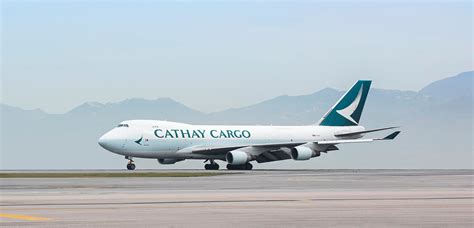
The Boeing 747 freighter was selected for reasons that go beyond nostalgia. Its expansive main deck allows purpose-built equine stalls to be secured with ample spacing, stable footing, and direct airflow. Unlike smaller aircraft, the 747 accommodates large numbers of horses in a single sector, reducing handling events and cumulative stress that can arise from multi-leg routings.
Onboard, environmental management becomes a science. Temperature, humidity, and ventilation are continuously monitored to maintain consistent conditions across the cabin. Horses are highly sensitive to thermal changes, and even minor fluctuations can affect hydration and muscle tone. Trained cargo crew remain vigilant throughout the flight, observing behavior and responding immediately to any signs of discomfort. The aircraft itself becomes a controlled ecosystem designed around the animals, not the other way around.
From Aircraft Door to Stable: Stress-Free Arrival in Hong Kong
Arrival procedures are as critical as the flight itself. At Hong Kong International Airport, unloading was executed with deliberate speed to minimize time on the ramp while avoiding sudden noise or movement. Specialist ground handlers, veterinarians, and grooms worked in synchrony, transferring the horses from aircraft to climate-controlled transport with minimal interruption. This seamless handover allowed the animals to begin acclimatization almost immediately.
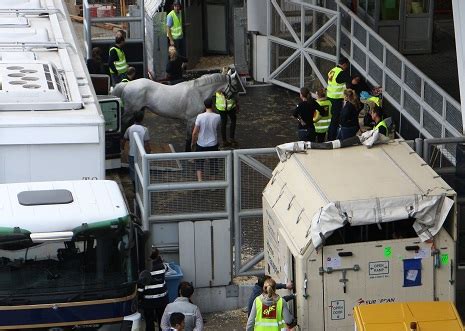
Hong Kong’s status as a global cargo hub plays a decisive role here. The airport’s infrastructure is designed for time-critical and sensitive freight, with established protocols for live animals and a regulatory environment accustomed to complex international movements. For elite equine shipments, this reduces administrative friction and shortens exposure to unfamiliar surroundings, both of which directly influence animal welfare.
Cathay Cargo leadership has been explicit about the responsibility involved. The airline’s cargo division operates under audited procedures aligned with IATA Live Animals Regulations, supported by specialized training that treats live-animal transport as a discipline rather than a sideline. In this context, reputation is earned one successful mission at a time.
Why the Boeing 747 Still Matters in Specialist Cargo
While passenger fleets continue to retire the Boeing 747, its relevance in cargo aviation remains pronounced. Few aircraft can match its combination of payload, range, and main-deck flexibility. For non-standard freight such as horses, this translates into fewer compromises during loading and a more stable in-flight environment. Cathay Pacific’s continued reliance on the type underscores its strategic value in premium logistics niches where precision outweighs volume.
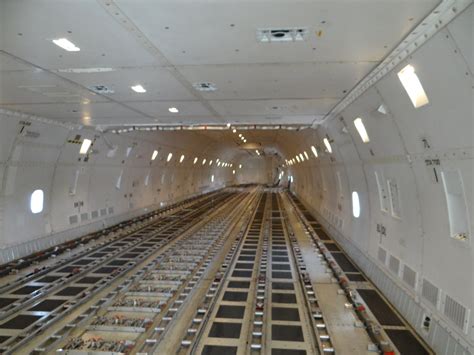
Live-animal charters also reveal a broader truth about air cargo. This segment operates largely out of public view, yet it underpins industries ranging from sport and entertainment to pharmaceuticals and advanced manufacturing. Success is measured not in tonnage alone but in outcomes: animals arriving fit to compete, medicines arriving potent, and timelines met without incident.
Equine Air Transport and the Globalization of Sport
International equestrian competitions have expanded far beyond regional circuits, creating demand for reliable long-haul transport that aligns with dense global calendars. Purpose-built charter flights give organizers and owners control over schedules and handling protocols that scheduled services cannot always guarantee. For horses whose performance windows are narrow, that control can be decisive.
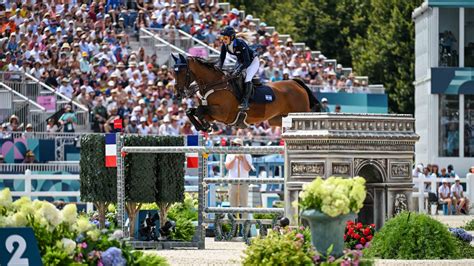
For cargo airlines, these missions serve as both proof of capability and strategic signaling. Successfully transporting elite horses reinforces confidence among clients with other complex logistics needs, from aerospace components to critical medical supplies. It demonstrates an ability to integrate regulatory compliance, technical execution, and human expertise into a single flawless operation.
In the case of Cathay Cargo, the Liège–Hong Kong equine flight highlights how aviation quietly enables global sport. Long before riders enter the arena, aircraft like the Boeing 747 and teams trained in specialist logistics ensure that the true athletes arrive ready to perform. It is a reminder that behind every international competition lies an intricate airborne network where precision, patience, and respect for life are the real measure of success.