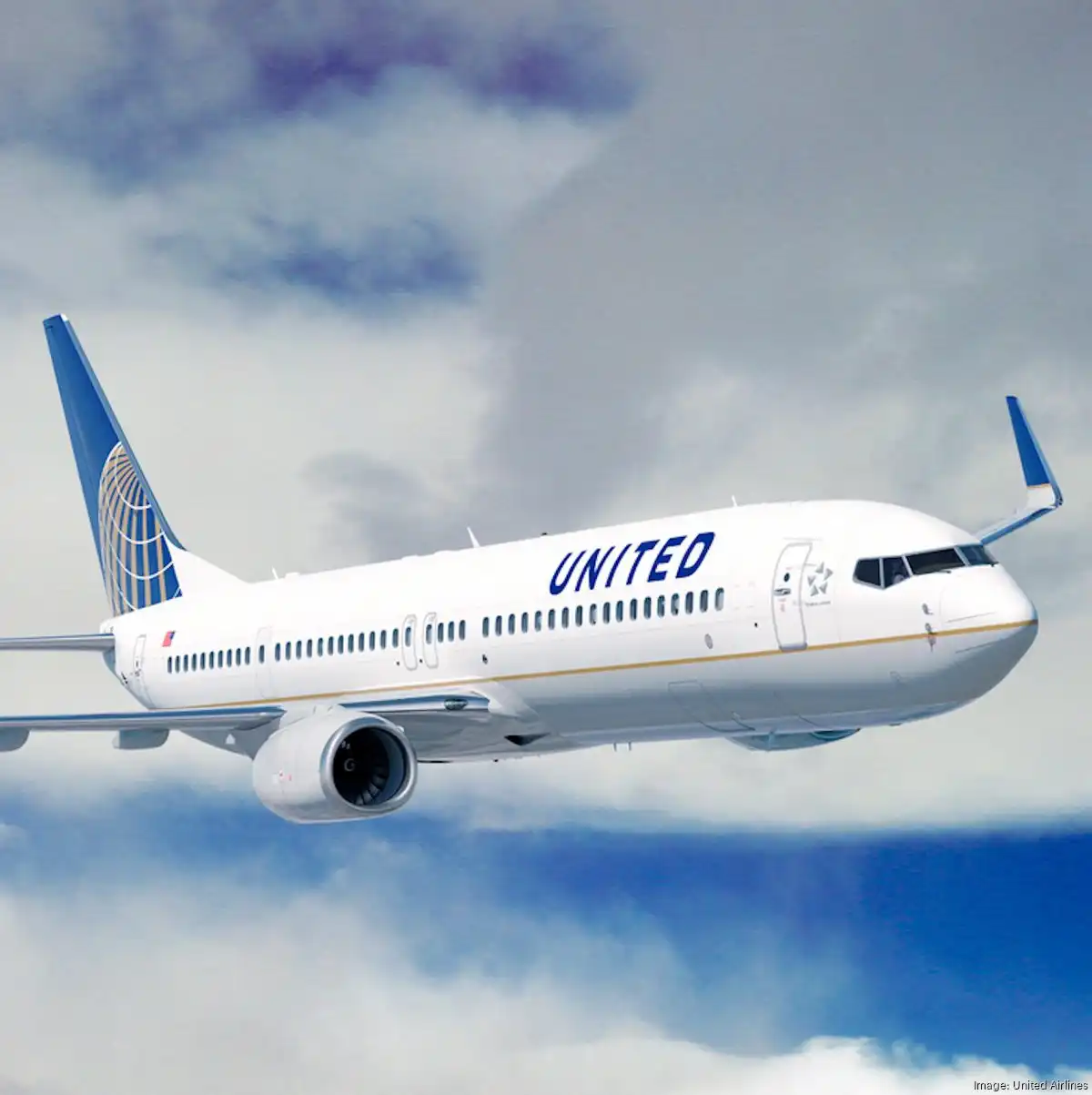
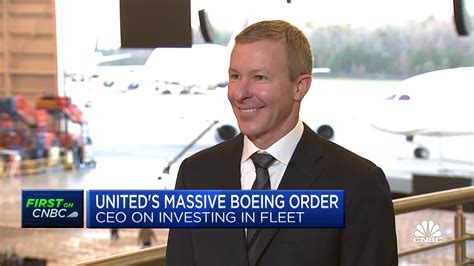
In a pointed critique that has stirred discussion across both sides of the Atlantic, United Airlines CEO Scott Kirby has come forward with a strong denunciation of London Heathrow Airport’s pricing model, describing it as unfair to passengers and indicative of broader regulatory dysfunction. As Heathrow seeks to raise its fees — already among the highest in the aviation industry — Kirby has positioned himself not only as a defender of airline economics but also as an advocate for travelers burdened by excessive airport charges.
At the core of Kirby’s criticism lies a fundamental concern with how airport monopolies, especially those as powerful and politically entangled as Heathrow, operate in a vacuum of true market competition. By leveraging their dominance in hub status and limited slot availability, airports like Heathrow can impose disproportionate costs on airlines, which inevitably trickle down to passengers in the form of higher ticket prices.
United CEO Condemns Heathrow Pricing Model
Scott Kirby’s remarks, delivered during a recent interview, reflect a deepening tension between transatlantic carriers and European aviation authorities. Heathrow has long been under fire for its aggressive fee strategies, and Kirby’s public stance adds significant weight to calls for regulatory reform.
He criticized the pricing structure as “out of sync with the needs of a modern, competitive airline industry,” highlighting that the cost of operating at Heathrow far exceeds comparable international hubs. In Kirby’s view, this is less about cost recovery and more about shareholder enrichment at the passenger’s expense.
Heathrow, which is partially owned by foreign investors including sovereign wealth funds, has in recent years sought fee increases under the pretext of COVID-19 recovery and infrastructure expansion. However, critics like Kirby argue that these increases are not proportionate to service improvements or passenger benefits. Instead, they represent an unregulated squeeze on both airlines and the flying public.
The Economic Mechanics of Airport Pricing
To understand the gravity of Kirby’s critique, one must examine the economics behind airport charges. Airports operate under a dual revenue stream: aeronautical income, such as landing and parking fees, and non-aeronautical income, which includes retail, parking, and concession revenues. Heathrow, unlike many U.S. airports, is a private entity with profit maximization as a core objective.
What makes Heathrow unique is its status as a quasi-monopoly for long-haul travel to and from London. Airlines with no viable alternatives are left with no choice but to absorb or pass on escalating charges, creating a market dynamic where airfare inflation is structurally baked in.
Kirby pointedly remarked that Heathrow’s pricing strategy is “not reflective of free-market principles” and is “symptomatic of a system where regulators are either captured or ineffective.” His remarks echo concerns that have been voiced by IATA (International Air Transport Association), which has repeatedly warned of the inflationary consequences of unchecked airport pricing.
Passenger Impact: How High Fees Ripple Through Fare Structures
The real-world implication of high airport fees is clearest at the point of purchase — the passenger’s ticket. Every incremental charge Heathrow imposes on airlines becomes a cost to be offset. For legacy carriers like United, which operate on thinner margins for transatlantic flights, the only practical recourse is fare adjustments.
A typical ticket on a long-haul flight from Heathrow includes a significant portion attributed to airport fees, taxes, and regulatory surcharges — often over 40% of the total fare. As Kirby emphasized, “This isn’t just about airline profit margins; it’s about accessibility. For many, flying becomes less affordable because of hidden costs they don’t even see.”
The broader socioeconomic consequence is reduced travel accessibility for low-to-middle income passengers, potentially dampening demand and hindering global connectivity. Kirby’s criticism calls attention to this regressive economic effect, framing it as a consumer rights issue, not merely a corporate complaint.
Heathrow’s Defense: Infrastructure Justification and Financial Recovery
In response to mounting criticism, Heathrow Airport Holdings has argued that its fee increases are essential for maintaining safety, service quality, and funding long-term infrastructure projects, including the much-debated third runway expansion. Executives have claimed that the pandemic severely impacted revenues, requiring pricing adjustments to ensure operational viability.
However, critics point out that Heathrow’s shareholders continue to receive generous dividends, even as the airport seeks regulatory approval for higher fees. This has prompted skepticism about the genuineness of financial distress claims. Kirby, aligning with that perspective, questions whether passengers should foot the bill for investor returns under the guise of infrastructural necessity.
The UK Civil Aviation Authority (CAA), responsible for overseeing Heathrow’s pricing framework, finds itself under increased scrutiny. Despite previous interventions, the CAA has allowed Heathrow considerable leeway in setting charges, which some industry analysts interpret as regulatory capture — a situation where the regulator is unduly influenced by the entities it is supposed to oversee.
A Transatlantic Disparity in Airport Governance
One of Kirby’s most compelling arguments involves the stark contrast in governance models between UK and U.S. airports. In the United States, most major airports are municipally owned or operated by public authorities, meaning there’s a built-in check on runaway pricing. Airports like Chicago O’Hare or JFK must answer to local stakeholders, not private shareholders.
This results in a more balanced approach to airport development, wherein costs and accessibility are negotiated in the public interest. Heathrow, by contrast, is driven by a private equity model, with limited mechanisms for public accountability. Kirby argues that this model leads to systemic misalignment between airport operators and airline-customer ecosystems.
His advocacy isn’t just rhetorical — United Airlines is reportedly evaluating route economics more closely and may consider shifting traffic to alternative European hubs like Amsterdam, Frankfurt, or even Lisbon, should Heathrow continue its aggressive fee policies. While such shifts are operationally complex, they represent a real consequence of regulatory inaction.
Industry Reaction and Emerging Coalition Against Fee Hikes
Kirby’s remarks have resonated across the airline industry, with British Airways and Virgin Atlantic also previously raising alarms about Heathrow’s cost structure. However, United’s position marks a shift from muted discontent to vocal, public advocacy.
Some observers see this as a potential catalyst for a broader coalition of international carriers demanding stronger regulatory oversight. There is growing consensus that unless regulators such as the CAA adopt firmer stances, the current trajectory could erode the competitive fabric of international air travel.
Aviation analyst William Foster notes, “This is not just about Heathrow. This is about setting a global precedent. If one airport can get away with unchecked fee hikes, others may follow.”
Toward a More Equitable Regulatory Framework
Scott Kirby’s intervention is ultimately a call for transparency, accountability, and fairness in aviation infrastructure economics. His criticisms highlight the urgent need for regulators to rethink how pricing models affect not just airline profitability but also the entire travel ecosystem, from customers to tourism economies.
In this context, a restructured regulatory model would include:
- Independent oversight bodies with veto power on fee proposals
- Mandatory cost-benefit analyses before approving hikes
- Clear disclosures of how airport revenue is distributed
- Provisions to cap profit margins tied to passenger services
Such reforms could restore balance to an industry still reeling from the COVID-19 shock, while reinforcing passenger trust and airline sustainability.
Conclusion: United’s Advocacy May Herald Regulatory Change
Scott Kirby’s challenge to Heathrow is more than a corporate dispute — it is a flashpoint in the evolving conversation around airport regulation, airline economics, and passenger rights. As airline CEOs become more vocal about the structural imbalances that define international aviation, regulatory bodies will face increasing pressure to pivot from passive oversight to active stewardship.
Whether Kirby’s message sparks immediate change remains to be seen. But his willingness to stand at the intersection of policy, economics, and consumer advocacy may ultimately push the industry toward a more equitable and competitive global travel environment.