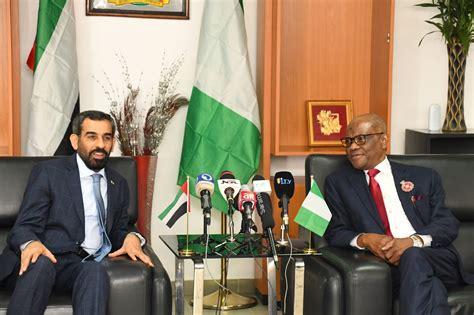
The Federal Capital Territory (FCT) of Nigeria is embarking on a transformative journey under the leadership of Minister Barr Nyesom Wike, who is emphasizing the critical role of tourism in driving economic growth. His recent visit to the iconic IBB Golf Club in Abuja underscores this vision, highlighting how strategic investments in tourism can attract investors and create substantial economic opportunities for both state and community levels. Wike’s insights draw upon global examples, illustrating how countries with limited natural resources have successfully leveraged tourism as a robust engine for economic development.
The IBB Golf Club, recognized as one of the oldest and most prestigious golf destinations in Abuja, stands at the heart of Wike’s strategy to revitalize government properties and enhance their management. During his tour, Wike expressed immense pride in the club’s management, commending the effective oversight that has maintained its stature over the years. He acknowledged, however, that infrastructure improvements are essential to elevate the club’s appeal to both domestic and international tourists. “I’m not a golfer, but I’m very proud of how well this property is managed,” he stated, reinforcing the notion that proper property management is vital for sustaining tourist destinations.
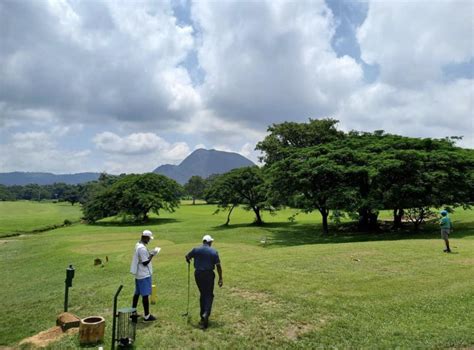
In his discussions, Wike highlighted the potential benefits of engaging private management while maintaining government oversight to ensure accountability. This approach could serve as a model for enhancing the operational efficiency of other government-owned properties across the FCT. Additionally, Wike’s commitment to adhering to high standards in development projects, exemplified by the Bola Tinubu International Conference Center, reinforces the importance of quality in tourism infrastructure. He emphasized the need for Abuja to be a place where visitors can relax and enjoy themselves, thereby attracting more tourists and boosting the local economy.
Wike’s vision for the FCT extends beyond mere management; it encompasses a broader strategy to invite private investment into tourism and recreational facilities. His visit to the IBB Golf Club also included plans to collaborate with Julius Berger, the construction company responsible for the club’s establishment, to assist in its ongoing management and upkeep. Recognizing the financial demands of maintaining such facilities, Wike reiterated that the private sector has a crucial role to play. “Julius Berger has the expertise to handle maintenance and improve the quality of services here,” he remarked, underscoring the significance of effective management in the tourism sector.
Tourism, as Wike envisions, is not merely a supplementary industry but a key driver of economic growth within the FCT. The region, long known as a central hub for political activity, has the potential to flourish as a recreational tourism destination. By investing in tourism infrastructure and ensuring top-tier management of landmarks like the IBB Golf Club, the FCT government aims to attract tourists, diplomats, and international investors alike. Events hosted at such venues—golf tournaments and business conferences—can significantly impact the local economy by generating income for hotels, restaurants, and various local businesses.
The urgent need for rehabilitation and investment in the IBB Golf Club’s infrastructure was echoed by Hon. Justice Monica Dongban-Mensem, Chairperson of the Board of Trustees. She pointed out that despite the club’s importance in promoting sports and tourism in the region, it has suffered from neglect and requires immediate attention. With membership soaring from just 29 founding members to over 5,000, the demand for enhanced facilities has never been greater. Justice Dongban-Mensem’s appeal for support emphasizes that rejuvenating the facility will not only enrich the tourism experience but also contribute to sports development throughout the region.
The growing industry of golf in Africa, valued at approximately $6.4 billion, further illustrates the significant impact this sport can have on economic development. As highlighted by Otunba Olusegun Runsewe, a trustee and cultural advocate, golf’s unique ability to generate substantial economic returns with fewer participants sets it apart from other sports. His commendation of Wike’s efforts signifies a collective belief that the Minister’s support for the IBB Golf Club could mark a pivotal moment for sports tourism and recreational excellence in Nigeria.
Looking forward, the planned engagement at the IBB Golf Club signifies a new era for the FCT’s recreational and tourism sectors. Under Wike’s stewardship, the focus on effective management, infrastructural development, and public-private partnerships will be instrumental in shaping the region’s future. As Abuja positions itself as a premier destination for tourism, diplomacy, and recreation, the strategic initiatives spearheaded by Wike promise to deliver significant economic benefits, enhancing the overall experience for visitors and residents alike. By prioritizing tourism, the FCT aims not just to revitalize its historical sites but to create a sustainable economic model that can thrive for generations to come.