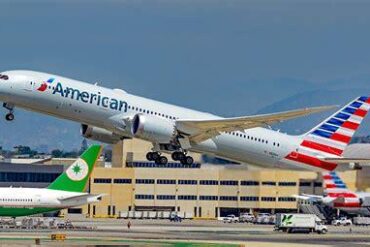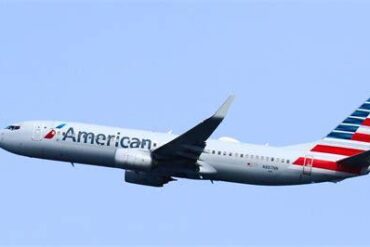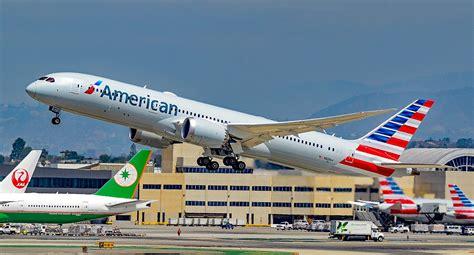
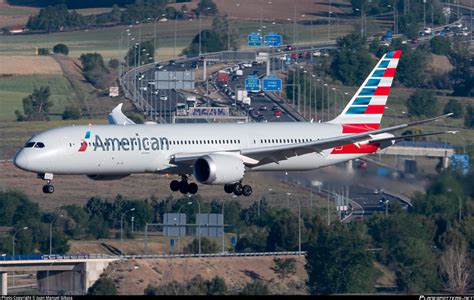
American Airlines’ decision to reduce crew levels aboard its newly reconfigured Boeing 787-9P Dreamliner has stirred fierce controversy, following formal approval from the Federal Aviation Administration (FAA). The change affects international routes, including key transatlantic services between Chicago O’Hare (ORD) and London Heathrow (LHR). While positioned as a move aligned with modern aircraft efficiencies and peer airline practices, union leaders and flight attendants argue that the policy undermines critical safety protocols, particularly during emergencies.
FAA Approval Sparks Backlash From Crew Unions
At the heart of the controversy is the FAA’s decision to authorize a reduction from eight to seven flight attendants on the Boeing 787-9P, American’s premium-heavy widebody variant. While seemingly marginal, the implications of one fewer crew member in a cabin configuration optimized for high-end service are profound.
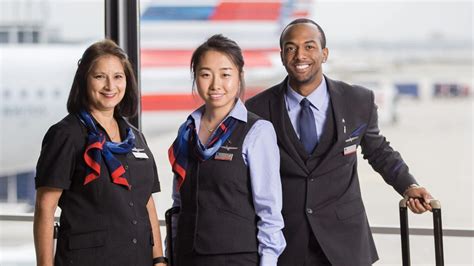
The Association of Professional Flight Attendants (APFA) has sharply rebuked both the FAA and American Airlines, stating that the decision places undue pressure on cabin crew and increases safety risks, particularly in evacuation scenarios. A critical pain point is the 4L and 4R doors—two aft exit doors now managed by only one crew member, deviating from the long-standing industry standard of assigning one flight attendant per exit door on widebody aircraft.
According to APFA leadership, this single-assignment protocol could delay emergency evacuations and complicate coordination between cabin zones, especially on fully loaded long-haul flights.
A Premium Cabin With Reduced Staffing
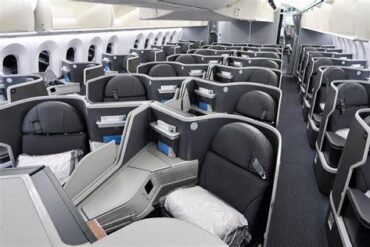
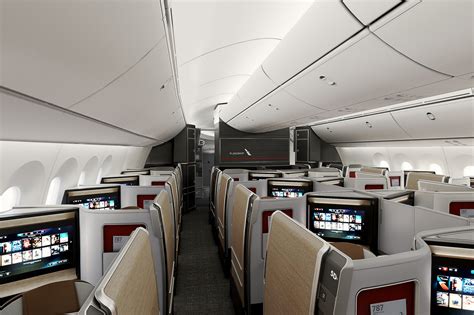
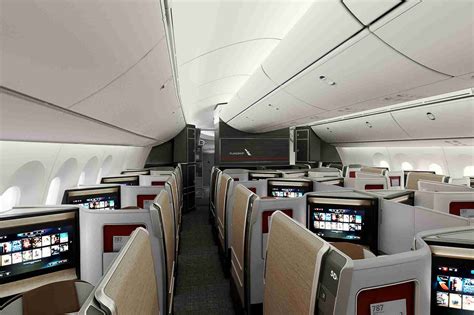
The new 787-9P variant, introduced as part of American’s fleet modernization and service upgrade strategy, includes 51 Flagship Business Class seats, notably enhanced by four Flagship Preferred Suites aimed at capturing high-revenue passengers. Despite these luxury-focused improvements, flight attendants argue that the premium service model demands more hands-on support, not fewer crew.
Crew members have also expressed frustration over diminished workspace and a compressed galley layout that limits their ability to manage meal services efficiently. As American restores elements of its premium inflight offering, such as pre-meal beverage service and mid-flight bar rounds, the union claims that doing so without restoring staffing to pre-pandemic levels forces crew into impossible workloads.
Following the Lead of United and Delta
While American’s move appears unprecedented within its own operations, the FAA approval falls in line with existing authorizations granted to other U.S. airlines. For instance, United Airlines currently operates its Boeing 787-10 fleet with seven flight attendants, mirroring the new model adopted by American. Delta Air Lines, meanwhile, received approval for just six crew members on some Airbus A330 long-haul flights.
However, APFA contends that “following the competition” should not excuse what it views as an erosion of safety norms. “An airline that prioritizes safety would not make this decision,” the union declared in a public statement. “Cost-cutting has clearly taken precedence over operational integrity.”
FAA officials have attempted to temper the backlash, emphasizing that seven is now the legal minimum, not the operational standard. However, the legal leeway this provides could leave international flights with one less crew member in situations where a replacement is not immediately available—such as remote layovers or last-minute illnesses.
Regulatory Grey Areas and International Comparisons
The FAA’s ruling also brings the U.S. closer to European crew minimums, where regulators permit as few as six attendants aboard the 787 in certain emergency configurations. This comparison is troubling to U.S.-based crew unions, which argue that more exits and larger passenger counts necessitate greater supervision and coordination, not less.
The APFA is now preparing a legislative campaign targeting Capitol Hill. The objective is clear: to mandate a minimum of one flight attendant per widebody aircraft exit, closing any regulatory gaps that allow safety compromises under economic pressure. If successful, the initiative could prompt sweeping changes not only at American Airlines but across the U.S. long-haul aviation sector.
Timeline of Crew Cuts and Service Restorations
The path to this decision has been shaped by a complex timeline of pandemic-era adjustments, where temporary measures became normalized practices:
- February 2020: COVID-19 decimates global air travel.
- March 2020: American slashes inflight services, citing health protocols.
- October 2020: First staffing reductions quietly implemented.
- January 2022: Elimination of Main Cabin pre-meal bar service.
- January 2025: Union loses a legal challenge to restore pre-pandemic staffing levels.
- May 2025: American reinstates select premium services, including second beverage runs on domestic flights over 1,500 miles and pre-meal drinks on transatlantic routes.
Despite restoring service layers designed to enhance passenger experience, staffing levels remain below 2019 benchmarks—a juxtaposition that flight attendants say threatens both efficiency and morale.
Safety vs. Efficiency: A Difficult Balance
American Airlines defends its move by pointing to aircraft design improvements, including automated safety systems, advanced evacuation slides, and optimized cabin layouts that theoretically reduce the need for manual intervention. Proponents argue that new-generation aircraft like the 787-9P can be managed effectively with fewer crew due to these efficiencies.
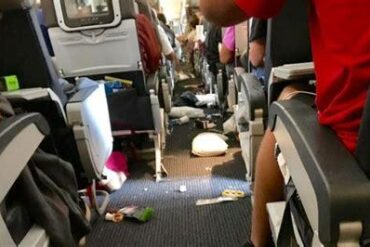
Yet crew unions warn that these technological advancements do not replace human judgment during emergencies. In scenarios involving decompression, turbulence, or passenger unrest, every additional crew member becomes a critical asset. With exit door assignments now stretched thinner, the probability of delayed or mismanaged evacuations increases.
Adding to the complexity, many international routes using the 787-9P have long flight durations and diverse passenger mixes, making swift emergency responses even more essential.
Political and Industry Implications
The FAA’s approval carries broader implications beyond American Airlines. It sets a precedent for future cost-cutting requests by other carriers eager to trim overhead without reducing service. Labor advocates worry that this decision could embolden airline executives to propose even leaner staffing models under the guise of efficiency.
Conversely, if APFA succeeds in mobilizing lawmakers, the backlash could spark new federal mandates that cement minimum crew ratios in law. Such action would reverse the trend of agency-level discretion and provide industry-wide consistency, ensuring that economic pressures do not erode long-established safety norms.
Looking Ahead: Operational Trade-offs and Reputational Risks
As American Airlines rolls out its premium-heavy 787-9P fleet across more international markets, passenger expectations for elite service will rise. However, the union warns that unless staffing matches the elevated service standard, operational bottlenecks, crew burnout, and safety vulnerabilities will persist.
Already, anecdotal reports from crew members describe delays in food delivery, increased cabin congestion, and limited time for passenger engagement—symptoms of a crew stretched thin. These issues, though often invisible to executives reviewing balance sheets, can have profound effects on brand reputation and passenger satisfaction.
In a highly competitive transatlantic market dominated by alliances and loyalty programs, perceptions of inconsistent service or compromised safety can quickly spread, undermining the very investment American made in its premium seating.
Conclusion: A Battle Between Profit and Protocol
The FAA’s approval of a reduced crew model aboard the Boeing 787-9P signals a broader shift in how regulators, airlines, and unions interpret aviation safety standards in the post-pandemic era. While American Airlines frames the change as an efficiency upgrade, crew unions view it as a step backward, prioritizing profit over people.
With legislative challenges looming and union mobilization underway, the final chapter in this staffing debate is far from written. What is clear is that the tension between operational cost and crew capacity has reached a boiling point—and the stakes, measured in both lives and livelihoods, could not be higher.