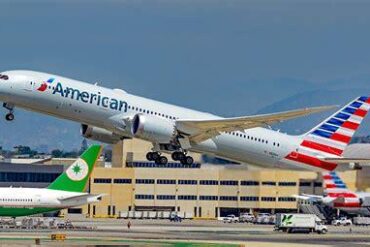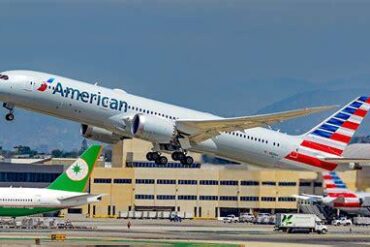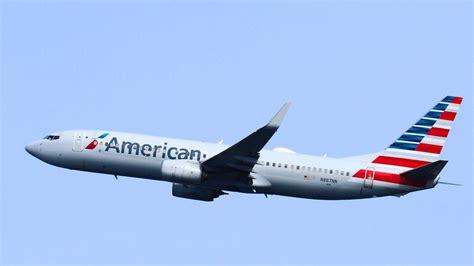
American Airlines has firmly dismissed the prospect of a merger with United Airlines, drawing a clear line in one of the most consequential debates in modern U.S. aviation. The Fort Worth-based carrier publicly rejected any engagement in merger discussions, emphasizing that such a move would undermine competition and ultimately harm consumers in an already consolidated market.
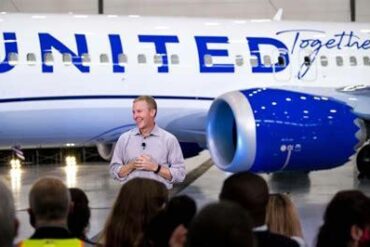
The statement arrives amid reports that United Airlines CEO Scott Kirby had explored the idea of combining the two legacy giants, even raising the possibility in conversations tied to the Trump Administration. While initial speculation suggested a recent pitch, further details indicate that the concept had been circulating internally for months, reflecting a broader strategic vision for scaling U.S. airlines globally.
American’s response was swift and unequivocal. The airline underscored that it is “not engaged with or interested” in any merger dialogue, signaling both strategic independence and skepticism toward consolidation at this scale. The carrier framed its rejection not merely as a business decision but as a stance rooted in antitrust principles and the long-term health of the aviation ecosystem.
Why American Airlines Sees a Merger as a Competitive Threat
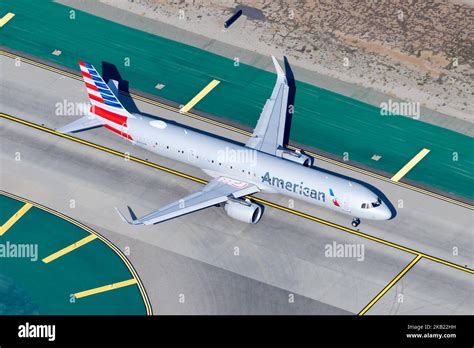
At the heart of American Airlines’ rejection lies a fundamental concern: market concentration. Over the past two decades, the U.S. airline industry has undergone significant consolidation, leaving four major carriers—American, United, Delta Air Lines, and Southwest Airlines—controlling roughly 80% of domestic capacity. Any merger between American and United would represent an unprecedented escalation of that trend.
American’s leadership made it clear that further consolidation would likely reduce consumer choice, increase fares, and weaken competitive dynamics across key routes. The airline also pointed out that such a move would conflict with the administration’s broader philosophy on fair competition and antitrust enforcement, suggesting regulatory resistance would be inevitable.
This perspective is widely shared among industry analysts, many of whom argue that a merger of this magnitude would face intense scrutiny from regulators and lawmakers. The potential for reduced competition in major hubs, overlapping routes, and loyalty program dominance raises red flags that go beyond typical merger concerns.
United’s Global Ambitions Behind the Proposal
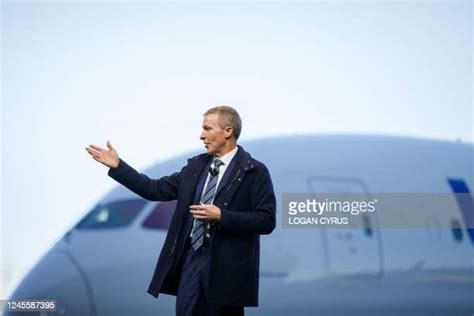
Despite the resistance, United’s rationale reveals a different strategic lens. Scott Kirby has consistently argued that the next frontier for U.S. airlines is not domestic dominance, but global competitiveness. In particular, he highlighted the challenge posed by international carriers such as Emirates, which often capture long-haul premium travelers due to fragmented U.S. offerings.
Kirby’s argument centers on scale: a larger, combined airline could offer more seamless global connectivity, making it more appealing for travelers who currently split loyalty between U.S. and foreign carriers. The idea is that a unified network could retain high-value customers on routes to regions like the Middle East, where competition is especially fierce.
While strategically compelling on paper, this vision clashes with the regulatory and competitive realities of the U.S. market. The notion of sacrificing domestic competition for global strength remains a contentious trade-off, particularly when consumers could bear the immediate cost.
Internal Pressures Complicate American’s Position
American Airlines’ rejection of the merger also comes at a time of internal turbulence. The airline has faced mounting criticism from both pilots and flight attendants regarding its financial performance, operational reliability, and customer service standards.
Labor unions, including the Association of Professional Flight Attendants (APFA) and the Allied Pilots Association, have expressed dissatisfaction with current leadership. In fact, flight attendants have gone as far as signaling a willingness to strike if meaningful changes are not implemented.
Interestingly, some union representatives have shown openness to transformative ideas—including mergers—if they could help stabilize the airline’s trajectory. Captain Dennis Tajer described the concept as “intriguing,” reflecting a willingness among labor groups to explore solutions that might reverse underperformance.
However, American’s executive stance suggests a preference for internal restructuring and strategic execution rather than pursuing high-risk consolidation.
Ongoing Rivalry Intensifies at Key Hubs
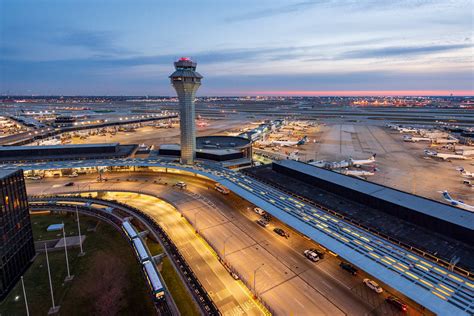
The competitive tension between American and United extends beyond boardroom strategy into day-to-day operations, particularly at shared hubs like Chicago O’Hare International Airport (ORD). Both airlines have been aggressively expanding their presence, leading to a capacity race that underscores their rivalry.
American had planned to operate over 500 daily departures from O’Hare, mirroring United’s expansion efforts. However, intervention by the Federal Aviation Administration (FAA)—which recently capped flight operations to reduce congestion—has added complexity to these ambitions.
Even within these constraints, American continues to invest in its Chicago footprint, including the acquisition of additional gates previously owned by Spirit Airlines. This move highlights a commitment to organic growth rather than consolidation, reinforcing its broader strategic direction.
A Defining Moment for U.S. Aviation Strategy
The rejection of United’s merger pitch marks a pivotal moment in the evolution of the U.S. airline industry. It underscores a growing divide between two strategic philosophies: one that prioritizes global scale and consolidation, and another that emphasizes competition and market balance.
For now, American Airlines has chosen the latter path, betting that independence and disciplined execution will yield stronger long-term results than a controversial merger. Whether that bet pays off will depend not only on market conditions but also on the airline’s ability to address its internal challenges and deliver consistent performance.
Meanwhile, United’s vision of a more consolidated, globally competitive U.S. airline sector remains unresolved—an idea that may resurface as industry dynamics continue to evolve.