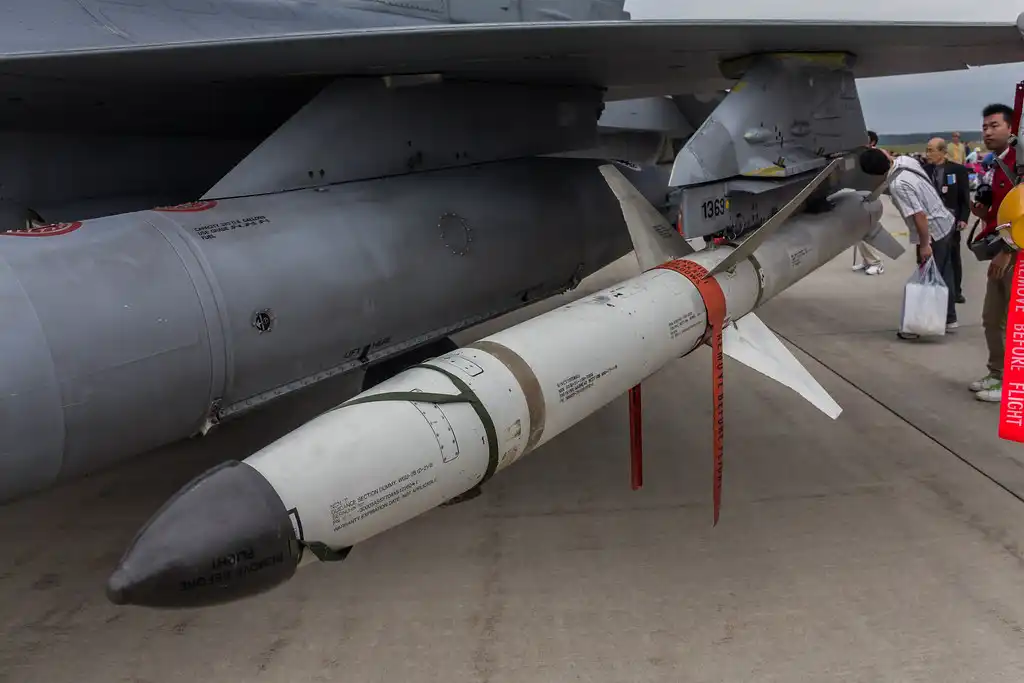
The F-16 Fighting Falcon and AGM-88 High-speed Anti-Radiation Missile (HARM) form a critical component of the Suppression of Enemy Air Defenses (SEAD) operations conducted by the United States Air Force (USAF) and allied forces. The integration of these systems enables precise strikes on enemy radar installations, disrupting hostile air defense networks and ensuring air superiority in contested environments.
F-16 and HARM Missile Integration
The Role of the F-16CJ in SEAD Missions
The F-16CJ (later redesignated as F-16CM) is the primary variant dedicated to SEAD missions. Known by the callsign “Wild Weasel,” these aircraft specialize in hunting and neutralizing enemy radar threats. A key component of this capability is the AN/ASQ-213 HARM Targeting System (HTS) pod, which allows the aircraft to detect, locate, and engage hostile radar emitters.
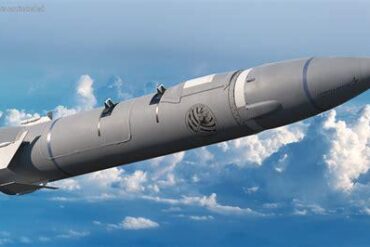
The AGM-88 HARM missile, a passive radar-guided weapon, is designed to home in on enemy radar signals and neutralize them before they can be used to guide surface-to-air missiles (SAMs). With an operational range exceeding 150 kilometers, it serves as a vital tool in disabling enemy integrated air defense systems (IADS).
Mission Loadout and Configuration
Standard Weapon Loadout
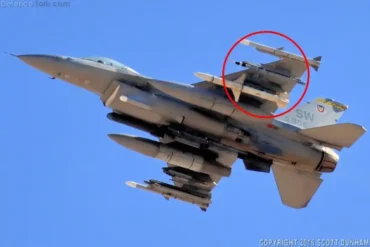
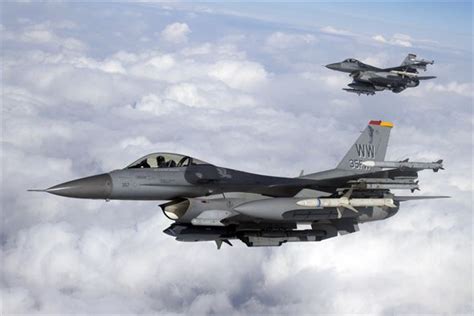
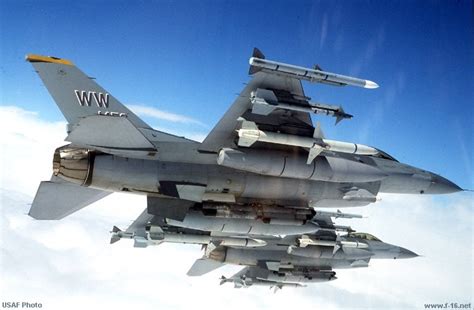
During SEAD operations, an F-16CJ is typically armed with:
- AGM-88 HARM missiles mounted on underwing pylons for radar suppression.
- AN/ASQ-213 HTS pod mounted near the air intake for real-time threat detection.
- LITENING or Sniper Advanced Targeting Pod (ATP) mounted on the fuselage for enhanced target identification.
- AIM-120 AMRAAM and AIM-9X Sidewinder missiles mounted on wingtip stations for self-defense against enemy fighters.
- External fuel tanks to extend operational range and mission endurance.
This optimized configuration enables the F-16CJ to operate both independently and in coordination with other assets to neutralize enemy threats effectively.
Real-World Combat Applications and Upgrades
Operational Deployment in Conflict Zones
The F-16CJ has seen extensive combat use in multiple conflicts, particularly in the Middle East. The aircraft has been pivotal in disabling enemy radar systems operated by hostile factions, including Houthi militants in Yemen. The USAF has actively deployed AGM-88 HARM missiles to eliminate threats posed by SA-6, SA-11, and SA-15 air defense systems, ensuring safe passage for allied aircraft.
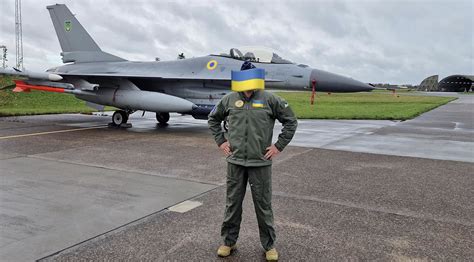
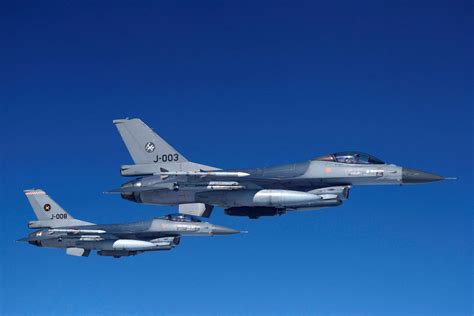
In Ukraine, the Netherlands has transferred upgraded F-16AM/BM variants, originally equipped with APG-66 radar and later modernized to support advanced air-to-air and air-to-ground munitions. There is speculation that these aircraft could be further modified to integrate HARM missiles, enabling them to suppress Russian air defense networks.
Limitations and Technological Advancements
Challenges in Combat Operations
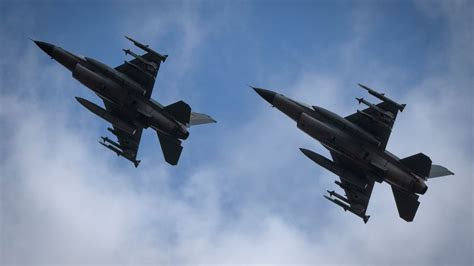
Despite its effectiveness, the F-16 faces certain limitations in SEAD missions:
- Limited payload capacity: The aircraft has 11 external hardpoints, but mission planners must prioritize fuel tanks and sensor pods, reducing the number of available weapon stations.
- Radar performance constraints: Early F-16A/B models equipped with APG-66 radar struggled to support long-range engagements with HARM missiles. The introduction of APG-68 radar in later F-16C/D variants significantly improved multi-target tracking and electronic warfare capabilities.
- Vulnerability to advanced SAMs: Modern S-400 and HQ-9 air defense systems pose a substantial challenge, requiring F-16 pilots to operate at the edge of missile engagement zones.
Future Enhancements
To overcome these challenges, ongoing developments include:
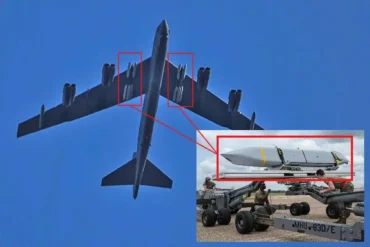
- Integration of advanced HARM variants such as AGM-88E AARGM (Advanced Anti-Radiation Guided Missile), featuring improved guidance and increased range.
- Potential addition of infrared homing seekers, expanding the missile’s effectiveness against passive radar sites.
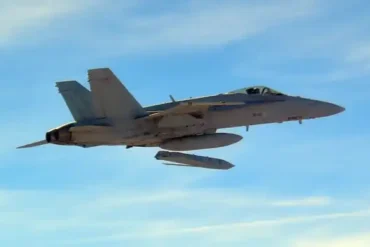
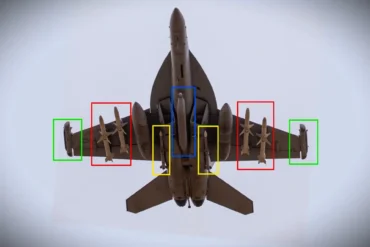
- Enhanced networking with EA-18G Growler electronic warfare aircraft, creating a synchronized SEAD strategy where electronic jamming and missile strikes are seamlessly coordinated.
Coordinated Operations with Other Platforms
Joint SEAD Strategy
The F-16CJ frequently operates alongside specialized electronic warfare aircraft such as the EA-18G Growler, which provides powerful radar jamming and electronic attack capabilities. The combination of jamming, deception, and direct kinetic strikes forms a layered SEAD strategy, ensuring that enemy radar sites remain suppressed throughout an operation.
During combat, Growlers may use ALQ-99 jamming pods to degrade enemy SAM radar tracking, while F-16CJs armed with HARMs execute targeted strikes. This hunter-killer pairing maximizes mission success and minimizes risk to friendly aircraft.
Conclusion
The F-16 and AGM-88 HARM combination remains a cornerstone of SEAD operations, providing a reliable method to neutralize enemy radar defenses. Its effectiveness, however, is contingent on continued upgrades to radar systems, electronic warfare pods, and missile guidance technology. As air defense threats evolve, next-generation SEAD tactics will integrate new munitions, enhanced stealth, and advanced networking capabilities to ensure air dominance in future conflicts.
Frequently Asked Questions (FAQ)
What is the primary role of the F-16CJ in SEAD missions?
The F-16CJ (Wild Weasel) is designed to locate and destroy enemy radar installations, preventing surface-to-air missile systems from targeting friendly aircraft. It achieves this through the AN/ASQ-213 HARM Targeting System (HTS) pod and AGM-88 HARM missiles.
How effective is the AGM-88 HARM missile against modern air defenses?
The AGM-88 HARM remains highly effective against legacy radar systems, but advanced air defenses like the S-400 require combined electronic warfare tactics and upgraded missile variants such as the AGM-88E AARGM.
Can Ukraine use F-16s to deploy HARM missiles against Russian air defenses?
While Dutch-supplied F-16AM/BM aircraft lack built-in HARM integration, they could be upgraded to support SEAD missions. Given the urgency of Ukraine’s air defense suppression needs, potential modifications to integrate HARM missiles are under consideration.