Airline network planning is the central nervous system of a carrier’s strategic operations. It is the meticulous process through which an airline decides where to fly, how frequently to fly, and which aircraft to deploy. This function, handled by a specialized team of analysts and planners, is critical to optimizing revenue, managing resources, and securing a competitive edge in the global aviation market.
Unlike flight operations or customer service, which are visible to the traveling public, network planning operates behind the scenes. Yet, its decisions impact everything from flight schedules to crew deployment, and even the economic growth of cities linked by air travel. In essence, it determines the economic geography of air connectivity.
The Strategic Role of Network Planning Teams
The network planning team functions as a multidisciplinary hub, linking finance, operations, revenue management, and marketing. Their objective is not simply to map out routes, but to design a sustainable and profitable flight network aligned with corporate goals and market realities.
Each decision made by this team involves a sophisticated trade-off analysis. They must account for variables such as:
- Passenger demand patterns across different seasons
- Aircraft availability and performance constraints
- Airport slot access and gate availability
- Competitive market dynamics
- Geopolitical conditions and international air service agreements
For example, introducing a new route from Dallas to Bogotá isn’t just about linking two airports. Planners must analyze regional demand, forecast load factors, assess operational feasibility, and understand how the new route interacts with the airline’s hub-and-spoke model.
Data-Driven Decisions in Network Planning
In today’s data-rich environment, airline network planners rely on advanced analytics tools and forecasting models. Historical data such as booking trends, ticket revenue, and load factors are overlaid with real-time insights from market intelligence platforms. These datasets enable planners to perform predictive modeling that estimates route profitability and elasticity of demand.
Importantly, planners work in close partnership with revenue management teams, who help establish fare structures that maximize returns on each seat sold. Collaboration with operations teams ensures that proposed flight schedules are viable in terms of crew logistics, aircraft rotations, and maintenance windows.
Internal and External Stakeholder Coordination
The network planning function cannot operate in isolation. It must integrate efforts with various internal departments and external entities. Internally, network planners engage with:
- Flight operations, to align aircraft availability and technical limitations
- Human resources, to ensure pilot and cabin crew coverage
- Finance, to evaluate route contribution margins
Externally, collaboration is essential with:
- Airports, for securing slots and gate usage
- Government regulators, for compliance with bilateral air service treaties
- Alliances and codeshare partners, to align schedules and expand market reach
This ecosystem of coordination reinforces the planner’s role as a linchpin in airline success. A well-coordinated network plan can capture new revenue opportunities while protecting the airline from economic shocks and external disruptions.
Career Pathways in Network Planning
Airline network planning careers typically begin with the role of Network Planning Analyst. This position requires conducting detailed route performance assessments, preparing traffic forecasts, and producing presentations for senior decision-makers. Analysts are expected to:
- Analyze passenger traffic flow and yield data
- Evaluate competitor route strategies
- Develop route proposals supported by solid business cases
With experience, one may progress to roles such as Senior Analyst, Manager, and eventually Director of Network Planning. These leadership roles involve strategic decision-making, cross-departmental coordination, and oversight of complex regional or global networks.
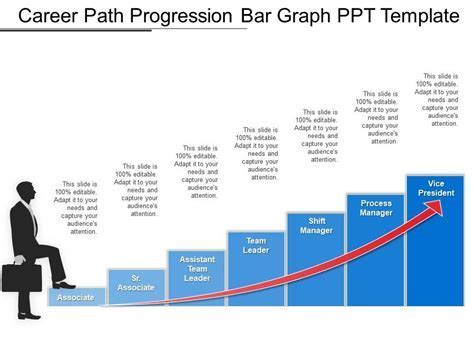
For ambitious professionals, network planning also serves as a launchpad into adjacent roles such as revenue strategy, fleet planning, or airline alliances.
Essential Skills and Academic Qualifications
To succeed in this field, professionals must demonstrate analytical precision, strategic thinking, and cross-functional communication skills. Among the most sought-after capabilities are:
- Advanced Excel modeling and data visualization (e.g., Tableau, Power BI)
- Familiarity with airline performance software (e.g., Sabre, OAG Analyzer)
- Economic forecasting and trend analysis
- Ability to present insights to non-technical stakeholders
Most airlines prefer candidates with degrees in aviation management, economics, operations research, or transportation planning. A postgraduate degree or relevant certifications can further elevate a candidate’s profile.
The Economic Impact of Network Planning Decisions
Every route that is launched or terminated by an airline has a ripple effect on the cities it connects. Studies show that the introduction of nonstop service can boost local economies by improving business connectivity, enhancing tourism, and attracting foreign investment.
Consider the case of Aeromexico launching a direct route from Mexico City to Barcelona. Not only did it tap into growing VFR (visiting friends and relatives) traffic and business ties, but it also enhanced Mexico’s aviation profile in the European market.

Poor network planning, conversely, can lead to route underperformance, revenue loss, and eventual retrenchment. Airlines that fail to adapt to changing market conditions—such as economic downturns or competitor shifts—often suffer from bloated, inefficient networks.
Compensation and Growth Outlook
Network planning is a well-compensated domain in airline management. Salaries vary by location, airline size, and experience level. Entry-level Network Planning Analysts typically earn between $50,000 and $70,000 annually, with senior analysts and managers commanding $90,000 to $140,000 or more.
As airlines become more reliant on analytics and real-time strategy, the demand for skilled planners is projected to grow. With aviation expected to double in passenger traffic over the next two decades, network planning roles will become increasingly vital and competitive.
Challenges and Innovations in the Future of Network Planning
Despite its strategic importance, airline network planning faces continuous disruption. From volatile fuel prices to climate change regulations and pandemic-related shifts in travel behavior, planners must remain agile.
Emerging technologies like AI-driven demand forecasting, dynamic scheduling algorithms, and sustainability-focused route optimization are transforming how planners operate. Forward-looking airlines are investing in digital twins of their networks, allowing simulation of route scenarios before real-world implementation.

The role is thus evolving from static planning to adaptive network architecture, requiring not just analytics skills but also a keen grasp of global aviation trends and digital innovation.
Conclusion
Airline network planning stands as one of the most intellectually demanding and commercially impactful functions within an airline. It marries economic modeling with strategic foresight, grounded in operational realism. Whether optimizing aircraft rotations, identifying underserved markets, or launching high-yield intercontinental routes, the decisions of network planners shape the future of air travel itself.
Frequently Asked Questions
What is the main goal of airline network planning?
The primary objective is to build a route network that maximizes profitability while meeting customer demand and aligning with operational capabilities. This includes deciding which markets to serve, how often to fly, and which aircraft types to deploy.
How do airlines decide to launch a new route?
Airlines evaluate several factors including market demand, competition, operational feasibility, and expected revenue performance. Data modeling and business case development support the final decision.
Is network planning a good career path?
Yes. It offers strong compensation, intellectual challenge, and opportunities for advancement. With the rise of analytics and global aviation growth, demand for skilled network planners is projected to increase significantly.