An aircraft magneto is a pivotal component in the ignition system of piston-engine aircraft. This electromechanical device is responsible for providing the electrical energy required to ignite the fuel-air mixture in the engine’s cylinders. In the world of aviation, magnetos are essential to the safe operation of an aircraft’s engine. This article will provide an in-depth understanding of how magnetos work, the role they play in an aircraft’s ignition system, and why their reliability is critical to ensuring flight safety.
What is an Aircraft Magneto?
An aircraft magneto is an electromechanical device designed to generate electrical energy for the spark plugs in internal combustion engines. The magneto functions autonomously, meaning it is independent of the aircraft’s main electrical system. This is one of the key reasons magnetos are crucial for flight safety—if the primary electrical system fails, the magnetos continue to operate, ensuring the engine remains functional.
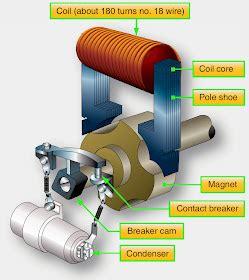
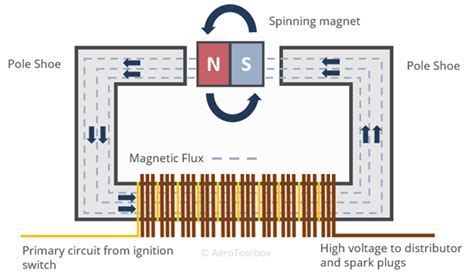
The magneto assembly typically consists of several key components, including the rotor, stator, breaker points, wire windings, and a distributor. Together, these elements work to generate and distribute electrical energy to the spark plugs at precisely the right moment to ensure optimal engine performance.
How Does a Magneto Work?
The operation of an aircraft magneto is rooted in electromagnetic induction, a principle discovered by Michael Faraday in the 19th century. As the aircraft’s engine runs, it drives the magneto through gears connected to the engine’s crankshaft. This motion causes the rotor, which contains permanent magnets, to rotate inside the stator. The stator consists of wire windings that, when subjected to the rotating magnetic field of the rotor, generate an electrical current.
The electrical current generated by the magneto is then directed to the breaker points, which control the timing of the ignition. When the breaker points open, the electrical current is interrupted, causing a surge in voltage. This high voltage is delivered to the distributor, which then directs the electrical current to the appropriate spark plugs at the exact moment required for ignition.
Key Steps in Magneto Operation:
-
Rotor Rotation: The rotor’s permanent magnets rotate within the stator, inducing an electrical current.
-
Current Interruption: The breaker points open, causing a sudden increase in voltage.
-
Voltage Distribution: The distributor directs the electrical current to the spark plugs, creating a spark that ignites the fuel-air mixture.
The Advantages of Aircraft Magnetos
One of the standout features of aircraft magnetos is their ability to function independently of the aircraft’s electrical system. This makes them a fail-safe system for engine ignition. In the event of a total electrical failure, the magnetos will continue to generate power, ensuring the engine can keep running and the aircraft remains airborne.
Unlike automotive ignition systems, which rely on a battery and coil to generate the spark, aircraft magnetos are self-contained and do not rely on an external power source. This independence from the aircraft’s electrical system is vital, especially during critical flight operations.
Additionally, magnetos produce a higher spark intensity compared to traditional systems, which significantly boosts the engine’s efficiency and performance. They are designed to start working with the very first revolution of the engine’s crankshaft and continue to operate as long as the engine is running.
The Double Magneto System: Redundancy for Safety
Safety is paramount in aviation, and one of the most significant innovations in aircraft ignition systems is the double magneto system. Most aircraft engines are equipped with two independent magneto systems. This redundancy provides an additional layer of security by ensuring that if one magneto fails, the other can still deliver power to the spark plugs, allowing the engine to continue running.
The dual magneto system works in tandem with the engine’s two spark plugs per cylinder. Each spark plug is connected to a separate magneto, providing further redundancy in the event of a malfunction. This system not only ensures continued engine operation in case of a magneto failure but also improves engine efficiency by providing a more consistent and reliable spark at all times.
Key Benefits of the Double Magneto System:
-
Redundancy: Two independent magnetos ensure continued ignition if one fails.
-
Improved Efficiency: Two spark plugs per cylinder help to achieve a more complete burn of the fuel-air mixture, enhancing engine performance.
-
Increased Safety: The system enhances overall engine reliability, reducing the likelihood of ignition-related engine failures.
The Magneto Switch and its Functions
Aircraft magneto systems are typically controlled through a magneto switch located in the cockpit. This switch has several distinct positions that allow the pilot to control which magneto is supplying power to the spark plugs at any given moment. The positions of the switch are as follows:
-
OFF: The magnetos are completely off.
-
R (Right): Only the right magneto is supplying power to the spark plugs.
-
L (Left): Only the left magneto is supplying power to the spark plugs.
-
BOTH: Both magnetos are supplying power to the spark plugs.
-
START: Engages the starter motor to turn the engine over for ignition.
After starting the engine, it is important for the pilot to quickly move the switch to the BOTH position. Leaving the switch in the START position for too long can result in damage to the engine, as it keeps the starter motor engaged.
Pre-Flight Testing of Magnetos
Before every flight, it is crucial to perform a comprehensive engine test to ensure that the magnetos are functioning correctly. This pre-flight test checks the performance of both magnetos and ensures that each system is delivering the appropriate amount of power.
During the test, the engine’s revolutions per minute (RPM) are observed while switching between the BOTH, LEFT, and RIGHT magneto positions. If the RPM drop when switching between magnetos is excessive, or if the engine behaves erratically, the system may require maintenance.
These tests are part of the aircraft’s routine pre-flight checklist and are essential to ensuring safe flight operations.
The Role of Spark Plug Maintenance
While magnetos are responsible for generating the electrical spark, the spark plugs themselves are equally important in ensuring engine performance. Spark plugs are constantly exposed to the combustion process, and over time, they can become fouled with oil, carbon, or other residues.
A buildup of deposits on the spark plugs can cause the engine to run rough or experience a noticeable loss of power. This is why regular maintenance and cleaning of the spark plugs are essential to keeping the engine operating smoothly.
Conclusion
Aircraft magnetos are a crucial part of an aircraft’s ignition system. Their ability to operate independently of the aircraft’s electrical system provides redundancy and reliability that is essential for safe flight operations. With proper maintenance, magnetos ensure consistent and reliable engine performance, making them one of the most important components of an aircraft’s powerplant.
FAQ
What is the main function of an aircraft magneto?
An aircraft magneto generates the electrical power necessary to ignite the fuel-air mixture in the engine’s cylinders. It is an independent system that ensures the engine can keep running even if the aircraft’s main electrical system fails.
Why are two magnetos used in aircraft engines?
Aircraft engines typically use two magnetos to provide redundancy. If one magneto fails, the other will continue to supply power to the spark plugs, ensuring that the engine continues to operate without interruption.
How do pilots test the magnetos before flight?
Before flight, pilots conduct a magneto test by switching between the left and right magneto positions to observe the drop in engine RPM. If the drop is excessive or the engine behaves strangely, maintenance may be required before takeoff.