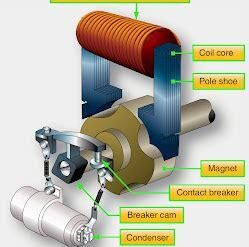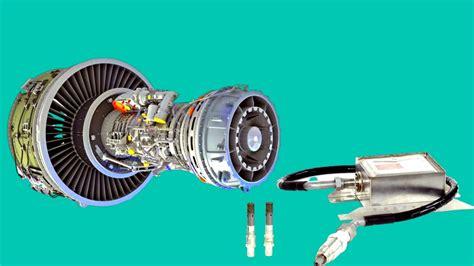
In a jet engine, continuous ignition refers to the ability to activate the ignition system automatically or manually, outside of the typical start cycle. Normally, the ignition system is engaged only during the initial acceleration phase of starting the engine. During this phase, it kicks in at about 20% N1, as shown on the N1 Indicator, and turns off around 50% N1. These percentages can vary from one engine to another. Once the engine has started, combustion continues as long as fuel flows and airflow remains stable.
Jet engines rely heavily on the characteristics of the air entering their intake. If the airflow stays within normal limits, the engine runs smoothly. However, if there is a significant disruption, it can lead to serious issues like compressor stalls or engine flameouts. Such disruptions often occur during abrupt pitch changes, which might happen in severe turbulence or an aerodynamic stall. Other factors that can cause problems include ice shedding, water ingestion from heavy rain or contaminated runways, and bird strikes.
To ensure safety, many aircraft’s Standard Operating Procedures (SOPs) recommend that pilots select continuous ignition during takeoff, landing, and when facing significant turbulence or precipitation. On modern aircraft, the Full Authority Digital Engine Control (FADEC) system often selects continuous ignition automatically under certain conditions. These conditions can include stall warnings, activation of the stick shaker, engagement of engine anti-icing, selection of takeoff thrust, activation of approach idle, detection of in-flight engine surge or flameout, and loss of digital data from engine or bleed components.