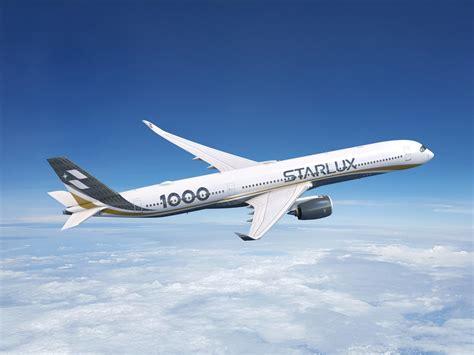
Commercial aircraft pricing has never been as straightforward as the numbers published in manufacturer brochures. While the Airbus A350-1000 carries an estimated list price of $366 million, airlines negotiating new fleet acquisitions in 2026 are often securing the aircraft for roughly $180 million to $230 million. At first glance, this appears to be an extraordinary discount. In reality, it reflects how the global commercial aircraft market has operated for decades.
The aviation industry relies on confidential negotiations rather than fixed pricing. Every aircraft order is influenced by production schedules, fleet size, financing arrangements, delivery timing, maintenance agreements, and long-term partnerships. As a result, the published price functions less as a selling price and more as a benchmark for negotiations. Understanding why Airbus is willing to discount one of its most advanced long-haul aircraft reveals far more about airline economics than aircraft manufacturing.
Rather than signaling weakness, these substantial discounts demonstrate how fiercely Airbus competes for billion-dollar fleet renewal programs. Winning a major airline order today often secures decades of maintenance revenue, replacement purchases, training contracts, and spare parts sales tomorrow.
Why the Airbus A350-1000 List Price Rarely Reflects Reality
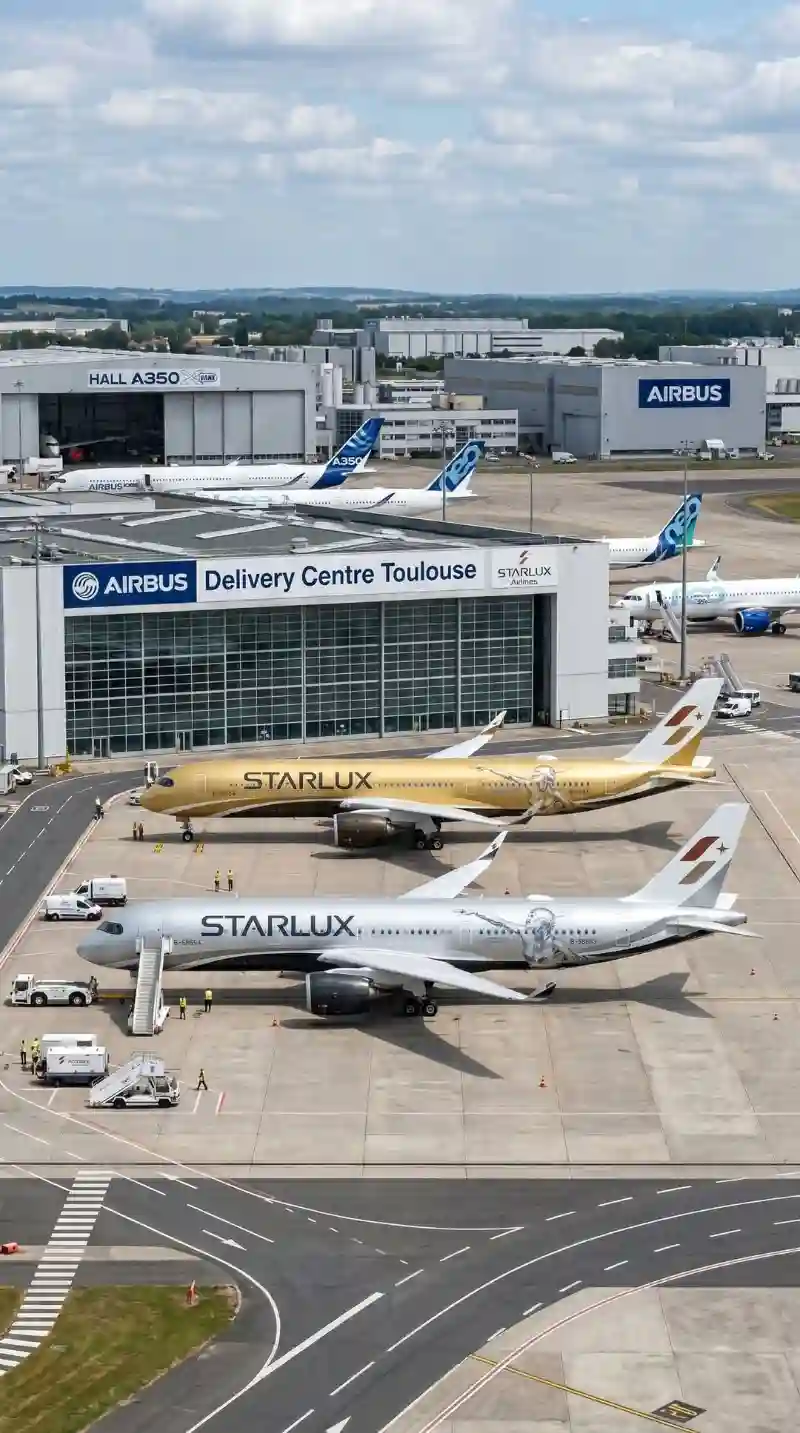
The official price of a commercial airliner is rarely the amount any customer actually pays. Manufacturers publish list prices primarily to establish the perceived value of their aircraft portfolio while creating room for customized negotiations. Although Airbus no longer publicly updates official list prices every year, industry estimates continue placing the A350-1000 near $366 million.
Large airlines never approach aircraft purchasing the same way an individual buys a vehicle. Every fleet acquisition becomes an intricate financial negotiation involving aircraft financing, future maintenance support, delivery schedules, pilot training packages, spare engines, cabin equipment, warranty coverage, and optional upgrades. Each element affects the final contract value.
Because every airline has unique operational requirements, no universal selling price exists. A carrier ordering only a handful of aircraft will likely pay significantly more per aircraft than another airline committing to dozens of deliveries over multiple years. Even then, factors such as economic conditions, factory capacity, competitive pressure, and delivery timing influence the final figure.
This explains why aviation analysts rarely rely on list prices when evaluating airline capital spending. Instead, estimated transaction values provide a much clearer picture of what airlines actually invest in expanding or modernizing their fleets.
Why Airlines Are Paying Around $180 Million to $230 Million
Industry estimates throughout 2026 suggest new Airbus A350-1000 deliveries frequently close within the $180 million to $230 million range. Although still representing an enormous investment, this effectively reduces the acquisition cost by nearly half compared to the aircraft’s published valuation.
Several commercial factors contribute to these lower prices. Bulk purchasing remains the most obvious. Airlines replacing entire long-haul fleets often order dozens of aircraft over several years. Such commitments provide Airbus with long-term production certainty, allowing factories and suppliers to optimize manufacturing efficiency.
Delivery timing also matters significantly. Manufacturers carefully manage assembly line capacity years in advance. Filling production slots helps stabilize cash flow while reducing the financial impact of idle manufacturing capacity. Consequently, Airbus has strong incentives to negotiate aggressively whenever major production opportunities arise.
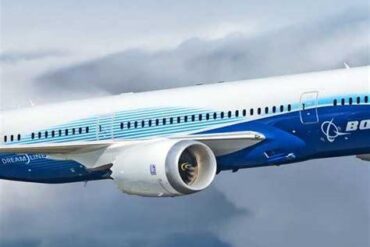
Competition with Boeing further intensifies pricing negotiations. Although the A350-1000 competes directly against the Boeing 777-9 in many markets, airlines routinely evaluate multiple aircraft families before committing billions of dollars. Competitive pricing frequently becomes the deciding factor when aircraft performance differences are relatively small.
Performance Advantages That Strengthen the A350-1000’s Value
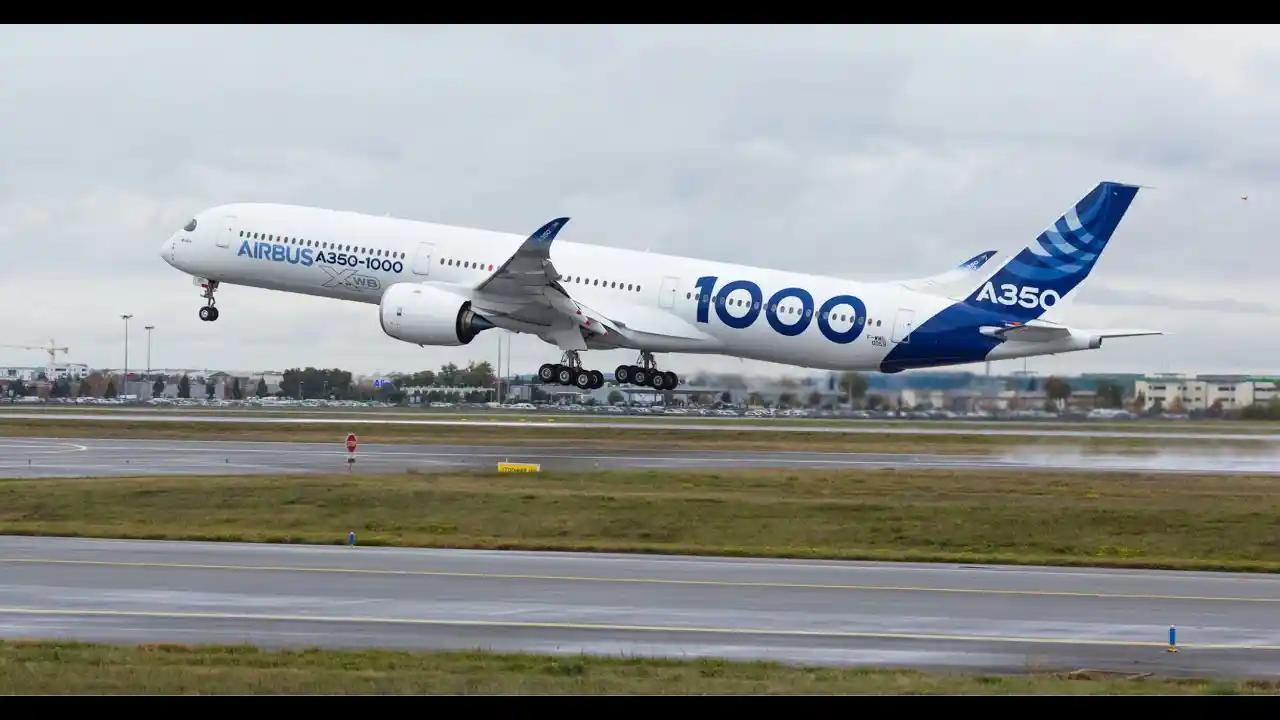
Discounted pricing alone would not persuade airlines to replace entire long-haul fleets. The Airbus A350-1000 succeeds because it combines substantial operational savings with exceptional passenger capability.
The aircraft measures approximately 242 feet (73.78 meters) in length, making it the largest member of the A350 family. Its advanced carbon-fiber reinforced fuselage and lightweight composite wing significantly reduce structural weight compared to older aluminum aircraft.
Power comes from Rolls-Royce Trent XWB engines, among the most fuel-efficient large turbofan engines currently in commercial service. Together with advanced aerodynamics, these engines substantially reduce fuel burn, emissions, and maintenance costs compared with aging four-engine aircraft such as the Airbus A340 or Boeing 747.
The aircraft’s maximum range of approximately 8,700 nautical miles (16,100 kilometers) enables airlines to operate ultra-long-haul routes while maintaining high passenger capacity. This combination allows carriers to serve profitable international destinations with lower operating costs and improved environmental performance.
Fuel efficiency has become particularly valuable as airlines continue facing volatile fuel prices and increasingly strict environmental regulations. Every percentage improvement in fuel consumption translates into millions of dollars in savings across decades of operation.
Cabin Investments Often Add Tens of Millions More
Purchasing the aircraft itself represents only part of the total investment. Airlines frequently spend tens of millions of additional dollars customizing each A350-1000 before delivery.
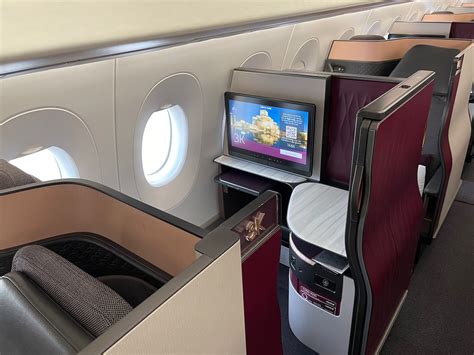
Modern premium cabins have become major competitive differentiators. Airlines increasingly install fully enclosed business-class suites, redesigned first-class products, premium economy seating, upgraded inflight entertainment systems, satellite internet connectivity, mood lighting, and customized galleys.
Each airline also incorporates unique branding throughout the cabin. Customized seats, monuments, lavatories, carpeting, overhead storage finishes, and lighting systems all contribute to significant interior costs beyond the aircraft’s negotiated purchase price.
These investments reflect changing passenger expectations. Premium travelers increasingly select airlines based on cabin comfort rather than schedule alone, making interior design an essential component of long-term profitability.
Why Airbus Can Afford Such Deep Discounts
Offering discounts approaching fifty percent might appear financially unsustainable, but Airbus benefits from several long-term revenue streams extending far beyond the aircraft sale itself.
Manufacturers earn substantial income through maintenance support programs, spare parts distribution, engineering services, software updates, pilot training, simulator services, technical documentation, and long-term fleet support agreements. These aftermarket businesses often remain profitable throughout an aircraft’s operational life, which can exceed thirty years.
Winning a flagship airline order also generates significant marketing value. When globally respected carriers introduce new aircraft types, competitors closely monitor operational performance. Successful deployments frequently encourage additional airlines to place similar orders.
Production stability represents another critical consideration. Modern aircraft manufacturing depends on highly coordinated global supplier networks. Predictable production schedules reduce manufacturing costs while protecting thousands of supplier jobs across multiple countries.
Maintaining consistent assembly line output often proves more valuable than maximizing profit on individual aircraft deliveries.
Fleet Renewal Programs Drive Today’s Biggest Aircraft Deals
Many of the largest A350-1000 orders support long-term replacement strategies rather than network expansion.
Airlines operating older widebody fleets increasingly face rising maintenance costs, declining fuel efficiency, and stricter environmental requirements. Replacing legacy aircraft with newer models provides immediate operating savings while improving passenger experience.
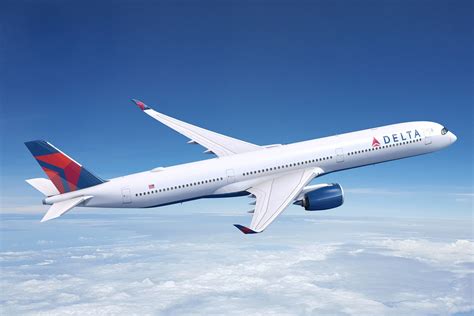
Delta Air Lines has committed to 20 Airbus A350-1000 aircraft, with deliveries beginning between late 2026 and 2027. These aircraft will gradually replace the airline’s aging Boeing 767-300ER fleet while improving long-haul efficiency.
Air Canada has also ordered eight A350-1000s, with deliveries expected from 2030 onward. These aircraft will progressively replace portions of its Boeing 777 fleet while supporting continued international expansion.
These commitments illustrate how negotiated pricing enables airlines to modernize entire fleets without placing excessive strain on capital budgets. Flexible pricing frequently determines whether airlines proceed with fleet renewal immediately or postpone purchases for several years.
Leasing Has Become an Equally Powerful Alternative
Not every airline purchases aircraft outright. Leasing has become one of commercial aviation’s most influential financing strategies, particularly for expensive long-haul aircraft.
Current estimates place monthly operating lease rates for a new Airbus A350-1000 between $1.2 million and $1.4 million. By comparison, the smaller A350-900 generally leases for approximately $900,000 to $1.2 million per month.
Operating leases allow airlines to preserve liquidity while still operating modern aircraft. Instead of investing hundreds of millions of dollars upfront, carriers spread expenses across predictable monthly payments.
Leasing companies also assume much of the residual value risk. Should market demand shift unexpectedly or newer aircraft technologies emerge, lessors rather than airlines bear the financial impact of changing aircraft valuations.
This flexibility has encouraged many major global leasing firms to place enormous A350 orders themselves before leasing aircraft to airlines worldwide.
Supply Chains Are Giving Airlines More Negotiating Power
Although global travel demand continues recovering strongly, aerospace manufacturers still face production bottlenecks affecting engines, structural components, electronics, and specialized materials.
These supply constraints have changed negotiation dynamics. Airlines making large commitments today provide valuable production certainty during periods of limited manufacturing capacity. In return, manufacturers increasingly tailor pricing packages to secure long-term contracts.
Rather than simply maximizing revenue per aircraft, Airbus focuses on maintaining healthy production rates while protecting market share against Boeing. Securing factory workloads years into the future helps stabilize supplier relationships and supports long-term manufacturing efficiency.
This environment gives major airlines considerable leverage during negotiations, especially when multiple manufacturers compete for the same fleet replacement campaign.
List Prices Are Becoming Less Meaningful Across Commercial Aviation
The widening gap between advertised aircraft values and negotiated transaction prices reflects a broader transformation throughout the commercial aviation industry.
Financial analysts increasingly evaluate aircraft programs using estimated transaction values instead of manufacturer list prices. Lease rates, residual values, aftermarket performance, operating economics, and maintenance costs provide much more meaningful indicators of an aircraft’s commercial success.
As aircraft become more technologically advanced and financially complex, confidential pricing negotiations will likely become even more significant. Airlines purchasing dozens of aircraft over many years naturally expect pricing that reflects the scale of their commitment.
For Airbus, preserving production stability and expanding its installed fleet often outweigh the benefits of insisting on higher individual aircraft prices.
The Future of A350-1000 Pricing
Deep discounts are unlikely to disappear, but their long-term sustainability depends on several economic factors. Manufacturing costs, supply chain recovery, inflation, financing conditions, and global travel demand will all influence future negotiations.
Airbus will also continue relying heavily on long-term aftermarket services to complement aircraft sales. As long as maintenance contracts, spare parts programs, digital services, and technical support remain profitable, the company can continue using aggressive aircraft pricing to strengthen its competitive position.
For airlines, negotiating favorable acquisition costs creates lasting competitive advantages. Lower ownership costs reduce operating expenses for decades, allowing carriers to invest more aggressively in passenger experience, route expansion, and fleet modernization.
Ultimately, the Airbus A350-1000’s apparent “half-price” sales are not signs of distress or desperation. Instead, they illustrate how modern commercial aviation functions behind closed doors. The published $366 million figure may capture headlines, but the real story lies in the confidential negotiations that determine how global airlines invest billions of dollars to shape the future of long-haul air travel.