The sharp contraction in air service between China and Japan has triggered one of the most significant short-term capacity shocks seen in the Asia–Pacific aviation sphere this year. Nearly half of all scheduled flights between the two markets have been withdrawn for December, reshaping travel patterns at the height of winter demand and placing both airlines and tourism sectors under visible strain. The reduction, driven largely by Chinese carriers, follows a sudden rise in diplomatic tensions and has led to the removal of entire city pairs, substantial seat cuts, and rapidly shrinking route maps just weeks before peak travel.
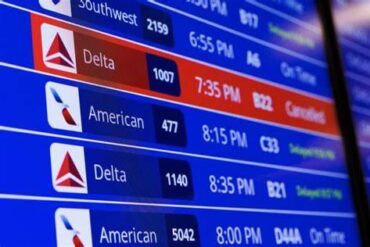
China’s full-service and low-cost carriers filed December schedules that were noticeably thinner than their early November plans, with nearly 400,000 seats removed in one month. The scale and speed of these cuts highlight how profoundly geopolitical tensions can disrupt even the world’s most heavily trafficked aviation corridors. Chinese state media reported that approximately 40% of all December flights were canceled, with more than 1,900 cancellations hitting leisure-reliant Japanese gateways such as Osaka and Sapporo.
The winter season historically represents an important period for China-Japan travel thanks to Japan’s ski industry and holiday tourism cycles. Instead, passengers now face fewer frequencies, higher fares, and reduced flexibility. Airlines have been forced to reassign aircraft quickly, thinning out international networks and testing the resilience of both carriers and airports.
Airlines Cut Deep Into Planned December Schedules
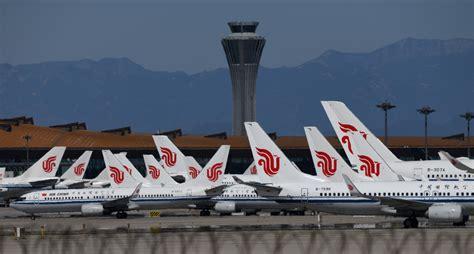
OAG schedule data reflects large-scale operational recalibration among Chinese legacy and low-cost carriers. China Eastern trimmed its December program by roughly 13%, while Air China cut nearly 10%. China Southern’s reductions exceeded 24%, and low-cost operators were hit even harder: Spring Airlines removed more than 36% of its seats, Juneyao slashed more than 41%, and Shenzhen Airlines effectively halved its December services.
Entire nonstop airport pairs disappeared from the schedules almost overnight. Connections to Osaka, New Chitose, and Nagoya were among the routes wiped from the board, while many surviving services now operate with sharply reduced frequencies. In particular, routes touching Shanghai Pudong (PVG) lost more than 44,000 seats, illustrating how concentrated the cuts have been on major connecting hubs.
By early November, airlines had planned 97 China–Japan routes for December. Revised filings show only about 85 will now operate. Just 20 of these managed to avoid notable capacity cuts, reshaping the competitive landscape and fragmenting network continuity at a point when seasonal demand typically rises.
Shrinking Route Maps Reflect a Broader Strategic Shift
Airlines often rely on flexible scheduling to respond to market shifts, but the rapid contraction in the China–Japan corridor stands out for its scale. The reductions mirror past periods of political tension, during which carriers have withdrawn capacity to align with national guidance or mitigate expected drops in demand. This time, the cuts coincide with a broader trend of Chinese airlines reevaluating international markets and reallocating long-haul aircraft to more stable regions.
The shrinking route map reflects not only operational caution but also a recalibrated approach to risk. Carriers are prioritizing markets with consistent demand signals while maintaining enough presence in Japan to support future recovery. Still, December’s thinning schedules indicate that bilateral aviation is entering a period of strategic uncertainty.
Political Friction Triggers Economic Shockwaves
The catalyst behind this widespread disruption lies in diplomatic tensions that intensified after Japanese Prime Minister Sanae Takaichi publicly discussed potential Japanese involvement in a Taiwan-related conflict. The comments drew immediate reactions from Beijing, culminating in travel advisories, student warnings, and a cooling of economic and cultural engagement between the two countries.
Airline cancellations followed swiftly. Chinese state media emphasized the breadth of service withdrawals, and the government issued a safety warning discouraging travel to Japan. Carriers introduced travel waivers for affected passengers, prompting refund surges during a season when load factors are normally among the strongest of the year.
Japan’s tourism sector now faces a substantial setback. China remains its largest source of international visitors, and the sudden erosion of available seats threatens to deflate momentum built throughout the year. Analysts estimate that Japan could lose up to $1.2 billion in visitor spending by year-end, with ski destinations and urban leisure markets absorbing the hardest hit.
The Broader Implications for Asia–Pacific Aviation
The reduction of nearly 50% of flights between two of the world’s largest aviation markets illustrates how fragile international air connectivity can be when political concerns override commercial patterns. The December cuts may be temporary, but their ripple effects will be felt well into early 2026 as airlines rebuild schedules, redistribute aircraft, and adjust revenue expectations.
This reshaped landscape also places pressure on second-tier airports that depend heavily on Chinese leisure demand. While some neighboring countries may capture diverted travelers, Japan’s reliance on Chinese tourism means that even short-term disruptions carry long-term implications.
Airlines and tourism authorities will revisit fleet planning, marketing strategies, and bilateral engagement as they navigate the challenge of restoring confidence and balancing political sensitivities with economic necessity. In the coming months, the pace of recovery will depend not only on market forces but on diplomatic stability between Beijing and Tokyo.