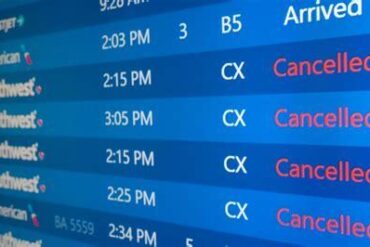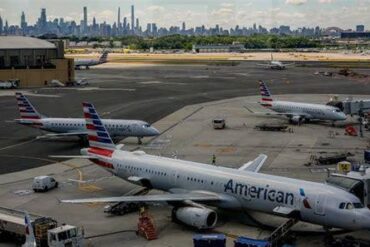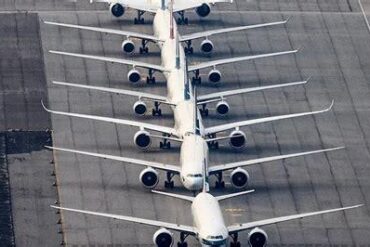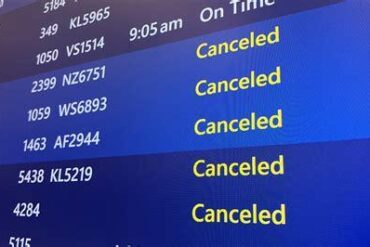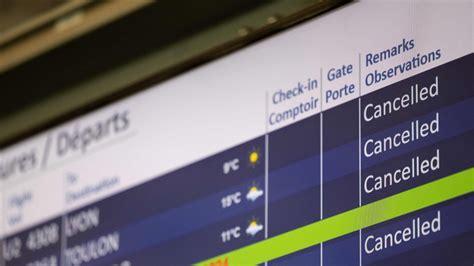
The summer of 2025 has been anything but smooth for travelers in Europe, with nearly 400 flights delayed or canceled across major airlines, including Air France, Lufthansa, British Airways, Emirates, United Airlines, and others. This surge in disruptions has been most evident at major airports such as Amsterdam Schiphol, London Heathrow, Frankfurt International, and Athens International, leaving thousands of passengers stranded or facing significant delays. These operational challenges have highlighted the ongoing struggle within the airline industry to adapt to a rapidly rebounding demand for travel following the pandemic.
Impact on Major Airports
Amsterdam Schiphol Airport
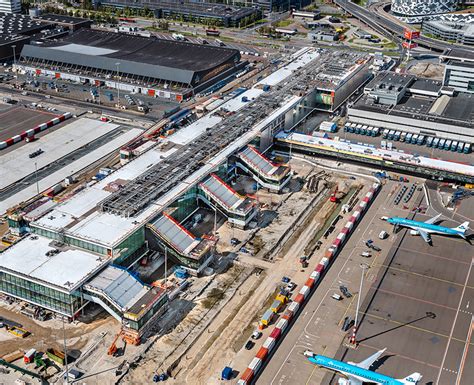
As Europe’s third-busiest airport, Amsterdam Schiphol faced substantial operational hurdles during this chaotic summer period. On a particularly hectic day, the airport recorded 96 flight delays and six cancellations. The airline KLM Royal Dutch Airlines was notably impacted, with 43 KLM flights delayed and all six cancellations attributable to its operations. Other airlines, including Delta Air Lines, United Airlines, easyJet, Transavia, and Turkish Airlines, also experienced delays as the airport grappled with an overwhelming influx of summer travelers. Notably, even cargo carriers were affected, with some departures delayed by as much as 100% of their scheduled time. Ground operations teams reported significant challenges in managing tight aircraft turnaround schedules and unscheduled swaps, leading to confusion and frustration among passengers.
London Heathrow Airport
The situation was similarly grim at London Heathrow, another key hub in European aviation, which saw 80 flight delays and three cancellations. British Airways bore the brunt of these disruptions, with 35 delayed flights and one cancellation. Other carriers, including United Airlines, American Airlines, and Virgin Atlantic, reported setbacks as well. Airport officials attributed these delays to runway congestion, a short-staffed logistics team, and tightly packed schedules, particularly affecting transatlantic routes. As the summer holiday travel season ramped up, these bottlenecks became increasingly pronounced.
Frankfurt International Airport
Frankfurt International Airport, Germany’s busiest aviation hub and a critical base for Lufthansa, recorded 126 delays and one cancellation on the same turbulent day. Lufthansa accounted for 62 of these delayed flights, with other carriers like Condor, Air Dolomiti, and Delta also experiencing operational issues. Reports indicated that aircraft repositioning problems, alongside a reduced workforce in crucial areas such as fueling and cargo management, were the primary drivers behind these delays.
Athens International Airport
Southern Europe was not spared from this chaos either, as Athens International Airport recorded 82 delays and two cancellations. Local carriers such as Aegean Airlines, Sky Express, and Olympic Air faced substantial disruptions, alongside international giants like Emirates and Lufthansa. The primary causes of these delays included crew shortages and inadequate turnaround time between flights, creating a backlog that left many passengers frustrated.
Cumulative Effects of Disruptions
The cumulative impact of these delays and cancellations resulted in a staggering 384 delayed flights and 12 cancellations across the four major airports. The ripple effects extended beyond European travel, significantly impacting long-haul services bound for destinations in Asia, North America, and the Middle East. Connecting flights and cargo logistics suffered as well, particularly for airlines operating under shared international schedules or code-share agreements.
Industry analysts have identified several interrelated factors contributing to these ongoing disruptions. Chronic staffing shortages at airports, especially in airside operational roles, have left many facilities unprepared to handle the surge in travel demand. Additionally, a mismatch between the high post-pandemic demand for travel and underprepared airport infrastructure has compounded these issues. Aircraft turnaround inefficiencies, coupled with tight slot scheduling and heavy air traffic control restrictions, have added further complexity to flight planning and management.
Challenges Faced by Airlines
Several airlines have reported challenges directly related to the recent disruptions. Carriers that suffered the most include KLM, British Airways, Lufthansa, Aegean Airlines, Delta Air Lines, United Airlines, Turkish Airlines, Emirates, and Air France. These airlines operate some of the busiest intra-European and intercontinental routes and are particularly vulnerable to cascading delays when flights miss their scheduled slots. As summer travel rebounds ahead of expectations, airports and carriers continue to struggle to keep pace with passenger volumes.
Operational Adjustments and Passenger Advice
In response to the growing chaos, airlines and airports have issued advisories urging passengers to arrive earlier than usual to accommodate extended wait times. Many airlines recommend utilizing self-check-in kiosks and provide rebooking notifications through digital platforms to streamline the travel process. In some cases, passengers whose connections were missed due to delays have been offered hotel accommodations to mitigate the inconvenience.
Experts warn that without significant interventions to address staffing deficits and improve airport logistics, similar disruptions could persist throughout the remainder of the summer travel season. While contingency plans have been established at several airports, it remains uncertain whether these measures will be sufficient to manage the escalating pressure from increasing air traffic.
Looking Ahead: Future Implications
As the summer travel season continues, the urgency to resolve these operational challenges becomes even more critical. Staffing shortages in rapid recruitment, training, and deployment of operational staff have hindered efforts to enhance capacity. Analysts predict that several quarters may be needed for staffing and logistics to fully catch up, provided that the demand for international travel remains consistent.
Travelers are advised to stay informed about the status of their flights frequently, arrive at the airport early, and remain flexible in their travel plans as Europe’s flight network struggles to regain control of its schedules. With the ongoing disruptions casting a shadow over the summer travel experience, proactive measures and strategic improvements will be essential for airlines and airports to restore confidence and efficiency in air travel.