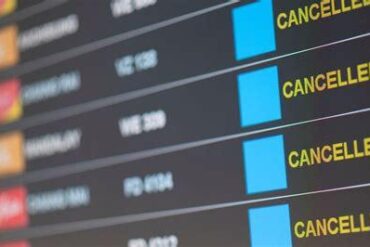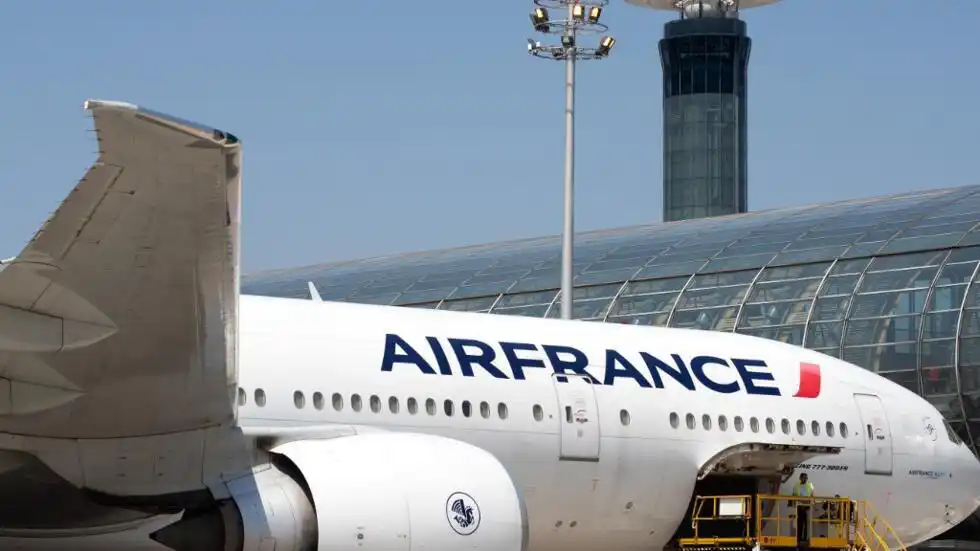
Air France is once again under scrutiny as the airline battles a surge in flight cancellations and delays across several major European airports, with Amsterdam Schiphol, Paris Charles de Gaulle, Marseille Provence, and others impacted. In the span of a single day, over 50 flight disruptions were recorded, according to FlightAware, a real-time global flight tracking platform. This cascading crisis comes during one of the busiest travel periods of the year—Europe’s peak summer season—and highlights a growing disconnect between travel demand and operational capability.
Unfolding Chaos at Paris Charles de Gaulle and Beyond
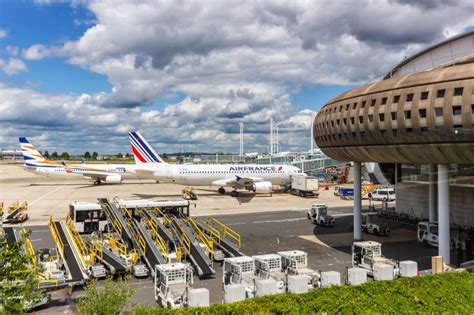
The epicenter of disruption is none other than Paris Charles de Gaulle (CDG), Air France’s primary hub. According to data from FlightAware, CDG experienced 4 flight cancellations and a staggering 37 delays in just one day. The ripple effects were immediate: passengers missed long-haul connections, international flights were backed up, and domestic services ground to a crawl. While CDG is no stranger to summer crowding, the operational bottlenecks witnessed here are far from routine.
At Amsterdam Schiphol (AMS)—another key transit point—Air France suffered 2 cancellations and 2 delays, which may appear modest but are significant given Schiphol’s role as a vital hub for connecting traffic across continents. Even minor disruptions here spiral rapidly, given the tight turnaround schedules and saturated flight paths across northern Europe.
Marseille Provence (MRS) reported 4 delays, and although it handles fewer long-haul flights, its increasing importance as a regional connector made these setbacks particularly damaging. Ground services were overwhelmed, with gate congestion and extended boarding times frustrating travelers further.
The European Footprint of Disruption
Air France’s problems did not stop within France or the Netherlands. Venice Marco Polo Airport (VCE) recorded 2 flight cancellations, signaling that the issues have spread beyond French borders. Reports of delays and operational interruptions have also emerged from Barcelona, Madrid, Brussels, and Helsinki, painting a picture of widespread turbulence across the airline’s European operations.
According to FlightAware’s breakdown:
- Paris Charles de Gaulle (CDG): 4 cancellations, 37 delays (Total: 41 disruptions)
- Amsterdam Schiphol (AMS): 2 cancellations, 2 delays (Total: 4 disruptions)
- Marseille Provence (MRS): 0 cancellations, 4 delays (Total: 4 disruptions)
- Venice Marco Polo (VCE): 2 cancellations, 0 delays (Total: 2 disruptions)
These numbers don’t account for the knock-on effects at secondary airports and connecting terminals where incoming or outgoing flights are dependent on timely Air France services.
Operational Strain: No Weather to Blame
Unlike typical delays caused by inclement weather, this round of disruptions is squarely attributed to internal operational challenges. Aviation insiders and analysts confirm that weather was not a factor in the majority of these incidents. Instead, the airline is reportedly dealing with crew shortages, poorly coordinated aircraft rotations, and overstretched ground handling services. Together, these issues have created a logistical gridlock.
Analysts note that Air France is still contending with staffing deficits that trace back to the COVID-19 pandemic. Although travel has rebounded dramatically in 2025, hiring and training processes have lagged behind. This has left airlines, particularly legacy carriers like Air France, scrambling to meet demand without sufficient manpower or optimized scheduling.
The Passenger Experience: Stress, Delays, and Frustration
For the thousands of passengers caught in the crossfire, the experience has been nothing short of chaotic. Social media platforms have become hotbeds of complaints as travelers report hours-long waits, missed international transfers, and a lack of clear communication from airline personnel. Terminals at CDG, AMS, and MRS were flooded with frustrated families, tourists, and business travelers alike.
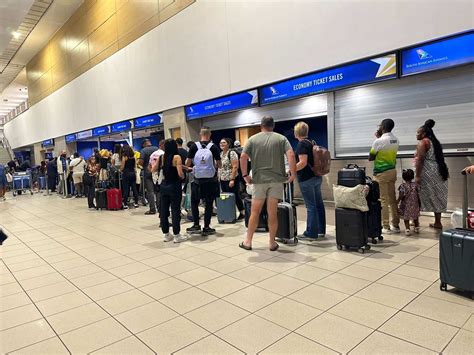
While Air France has reportedly provided vouchers for meals and hotel stays in some instances, many passengers claim the compensation has been inconsistent, and the real-time updates are poor or absent. Communication lapses during such high-stress situations only exacerbate tension and tarnish the brand’s public image.
Regulatory Requirements and Air France’s Official Response
Although Air France has not released a detailed public explanation for the breakdown, it has acknowledged increased operational pressure across EU airports. Under EU Regulation 261/2004, affected passengers are entitled to compensation for long delays, cancellations, or denied boarding due to airline-related issues.
The airline has urged travelers to:
- Check flight status regularly via its app or official website.
- Arrive early at airports to allow for possible last-minute changes.
- Use airport-specific apps to stay updated on gate assignments and security wait times.
- Remain flexible, particularly on short-haul connections, to reduce cascading disruptions.
Additional customer service agents have been deployed at CDG and AMS, and rebooking fees have been waived for certain routes repeatedly affected.
Broader Industry Implications: A Microcosm of Airline Recovery Woes
The current wave of Air France disruptions is more than a temporary blip. It represents a broader crisis unfolding within the European aviation sector. As passenger volumes exceed pre-pandemic highs, many airlines are being forced to operate with outdated infrastructure, understaffed crews, and unreliable ground support networks.
Air France is not alone in this struggle, but the scale of its disruption this week highlights particular weaknesses in its summer 2025 operational planning. Unless the airline rapidly scales its capacity with commensurate investments in manpower, scheduling systems, and ground operations, the summer will likely see further service deterioration.
The Road Ahead: High Stakes in a Crowded Sky
The timing of these problems could not be worse. With Europe’s peak travel season in full swing, airlines are under intense scrutiny. Families, solo travelers, and business professionals alike are relying on air travel to reach destinations across the continent and beyond. Air France’s ability—or failure—to rectify its issues will impact not only its reputation but also the travel decisions of hundreds of thousands.
As the summer of 2025 progresses, all eyes will be on how the airline recalibrates its operations. The pressure is mounting: from investors concerned about revenue loss, to regulators watching compliance with EU air passenger rights, to customers deciding whether to book future flights with more reliable competitors. This isn’t just an operational problem—it’s a brand trust crisis.
Travelers are advised to remain proactive and informed. Booking with contingency plans in mind, opting for earlier flights, and leveraging real-time travel apps could mitigate some of the risks. But as long as Air France continues to face internal inefficiencies, even the best-prepared passengers may find themselves caught in an avoidable travel mess.
The coming days and weeks will prove pivotal. If Air France can stabilize operations, it might yet salvage its summer season. If not, it risks a long-term reputational decline at the hands of frustrated flyers and relentless competition.