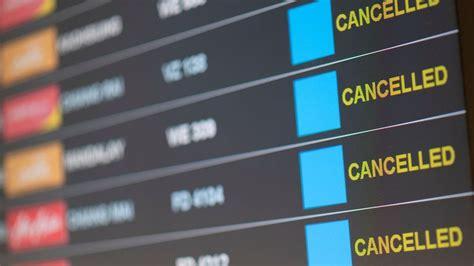
Air travel chaos erupted across Europe on Sunday, June 22, 2025, as more than 500 flights were either delayed or cancelled at London Heathrow, Amsterdam Schiphol, Paris Charles de Gaulle, and Barcelona El Prat. A convergence of operational failures—including staffing shortages, gate congestion, and aircraft rotation issues—crippled airlines such as Air France, Singapore Airlines, Emirates, United, Qantas, Delta, KLM, British Airways, American Airlines, and Qatar Airways.
Heathrow Faces Bottlenecks as Summer Demand Peaks
London Heathrow, one of the world’s busiest international hubs, bore the brunt of the disruptions with 110 flight delays and 8 cancellations. British Airways, the UK’s flagship carrier, experienced the heaviest hit—over 50 delays and 4 flight cancellations. Other affected carriers included United Airlines, Delta Air Lines, Emirates, Air India, and KLM, which each reported disruptions ranging from long-haul delays to regional cancellations.
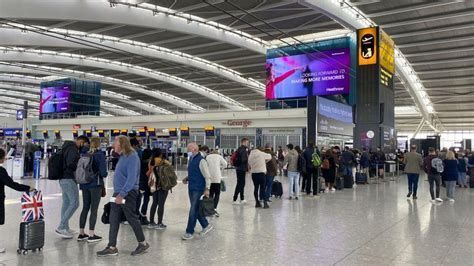
Heathrow officials attributed the gridlock to ramp congestion, a lack of available gates, and compressed turnaround schedules, all intensified by soaring summer travel volumes. Flights to and from North America, Asia, and the Middle East saw widespread delays. The cascading effects of delayed inbound aircraft exacerbated the problem, with Qantas, Singapore Airlines, American Airlines, and Qatar Airways all reporting extensive knock-on effects.
Schiphol Grinds to a Halt Under Pressure
Amsterdam Schiphol Airport emerged as the most impacted site, recording 119 delays and 27 flight cancellations. Dutch carrier KLM was disproportionately affected, accounting for 39 delays and a staggering 24 cancellations. Midday, the airport approached logistical gridlock as inbound delays and crew rotation issues collided with air traffic control staffing constraints.
Flights operated by Delta, easyJet, United, Lufthansa, and Emirates also faced delays, with routes across Eastern Europe, North Africa, and the Middle East most disrupted. The intricate interdependence of European air traffic meant delays from prior days compounded Schiphol’s woes, affecting even low-cost and regional operations like Transavia and Air Baltic.
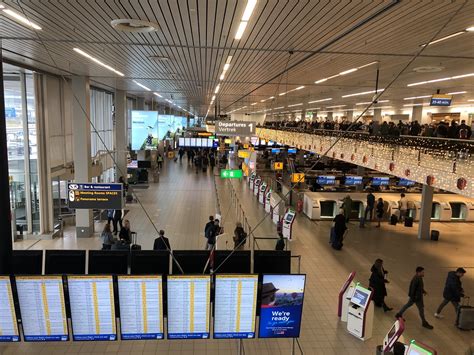
Airport sources described the day as a “perfect storm of shortfalls,” pointing to late-arriving aircraft, shift shortages, and tight slot allocations as key stressors.
Charles de Gaulle Reports Massive Delays, Minimal Flexibility
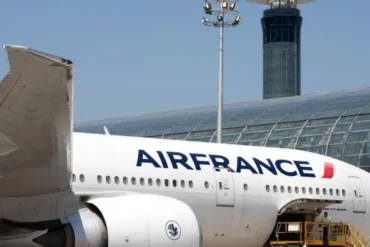
In Paris, Charles de Gaulle Airport logged 191 delays and 14 cancellations, with Air France leading the disruptions: 7 cancelled flights and 86 delays. The congestion at CDG was severe enough to prompt reassignments of departure slots, adding delays that ranged from 15 minutes to over one hour.
Alongside Air France, carriers like easyJet, United, Delta, Qatar Airways, Emirates, and Air India were impacted. Staffing issues at both ground handling teams and security checkpoints deepened the chaos. Airlines such as SriLankan Airlines, Royal Jordanian, and Middle East Airlines also experienced extended ground times, often due to delayed gate releases.
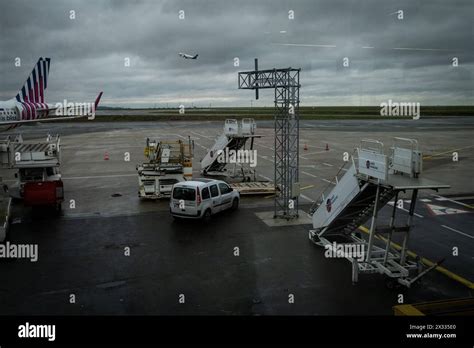
Airport operations struggled to regain schedule integrity throughout the day, with ripple effects stretching across flights heading to Asia, Africa, and the Americas.
Barcelona El Prat Caught in the Crossfire
Though smaller in scale, Barcelona El Prat Airport reported 82 delays and 4 cancellations—a significant number given its size. easyJet accounted for the majority of issues here with 11 delays and 2 cancellations, while Delta cancelled a transatlantic route and delayed another.
Airlines such as Vueling, Ryanair, Lufthansa, Turkish Airlines, and Etihad were also affected. Flights between Spain and North Africa faced the highest degree of disruption. The operational tightrope of short-haul summer schedules, often squeezed into brief airport slots, led to cascading misses and rescheduling.
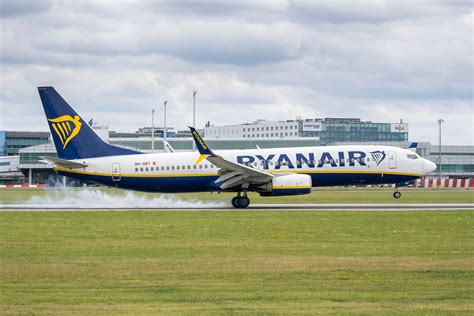
Barcelona’s situation underscored the domino effect triggered by major hubs. Delays at Amsterdam or Paris radiated outward, choking downstream airports within hours.
Airlines Across Continents Affected Simultaneously
The list of affected carriers read like a who’s who of global aviation. Alongside European mainstays such as British Airways, KLM, Lufthansa, and Air France, North American giants United, American, Delta, and Air Canada faced schedule turmoil. Asian and Middle Eastern airlines—Emirates, Etihad, Qatar Airways, Singapore Airlines, and Cathay Pacific—were equally entangled.
Low-cost and regional operators like easyJet, Ryanair, Wizz Air, Transavia, and Jet2 also reported major delays, which disproportionately affected holiday travelers and short-hop commuters.
Even niche carriers such as Helvetic Airways, Buzz, Smartwings, and German Airways encountered scheduling gridlock. This cross-continental scale made today’s disruption among the widest-reaching operational failures in recent memory.
Operational and Structural Causes Behind the Gridlock
Industry analysts pointed to several concurrent problems that, together, overwhelmed airport infrastructure:
- Staff Shortages: Ramp crews, baggage handlers, and gate agents remain below pre-pandemic levels.
- Aircraft Rotation Failures: Delays in aircraft arrival times upended tight turnarounds.
- Congested Runways and Aprons: Limited space for aircraft to park or taxi added hours of delay.
- Weather Hangovers: Earlier thunderstorms and fog conditions left residual delays throughout Europe.
- Air Traffic Control Limitations: Several hubs suffered from limited controller availability.
These vulnerabilities, long present but often masked by off-peak volume, were magnified under summer traffic peaks. Even minor delays rapidly grew into full-day congestion.
A Snapshot of Affected Flights and Airlines
At Heathrow, British Airways was most affected, followed by United, Delta, and Emirates. Air India recorded a high 41% delay ratio, while Qatar Airways, Singapore Airlines, and American Airlines also struggled to maintain schedules.
Amsterdam Schiphol saw KLM take the biggest hit, with 24 cancellations and nearly 40 delays. Other severely impacted carriers included German Airways, easyJet, and United.
In Paris, Air France topped the delay and cancellation charts, but easyJet, Air Algerie, and Delta were also hard-hit. Even less frequent players like SriLankan Airlines and Middle East Airlines reported performance issues.
Barcelona, despite smaller traffic volumes, saw consistent issues across Vueling, Ryanair, and easyJet, while long-haul operators like Delta and Etihad also faltered.
Passengers Left Stranded, Told to Expect More
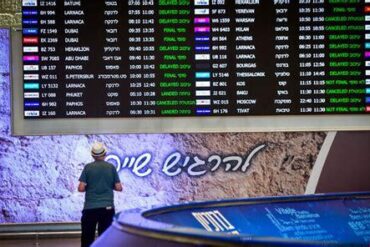
The full-day delays left thousands of passengers stranded or rebooked onto later flights. Airport officials across Europe issued advisories urging travelers to check flight status before departure and to arrive early due to longer security and baggage processing queues.
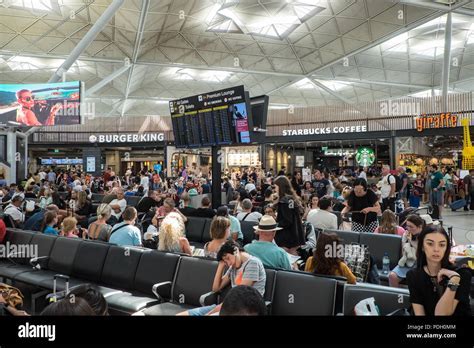
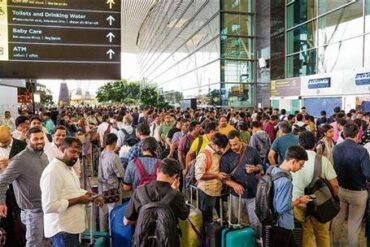
Crowds swelled at terminals, particularly in Amsterdam and Paris, where gate areas reached near-overflow conditions. Travelers described lengthy waits, inadequate communication, and a lack of rebooking support, especially for international connections.
Looking Ahead: A Warning for July and August Travelers
With summer traffic forecast to rise even higher in July, today’s chaos may be a preview of what’s to come. Airlines are now reassessing crew schedules, reducing redundant flights, and tightening turnaround protocols to avoid a repeat.
But industry veterans warn that unless airport staffing is increased and slot management overhauled, similar disruption levels may persist. Peak holiday periods, particularly around late July and early August, are especially vulnerable.
For now, passengers are encouraged to:
- Use airline apps to track gate changes and delays in real time.
- Arrive at airports earlier than usual.
- Have flexible travel arrangements.
- Avoid tight layovers.
Final Thoughts: A System Under Strain
Today’s widespread airline disruptions across Europe were not the result of a single incident but the culmination of long-building pressure points in the aviation industry. As demand surges faster than infrastructure and staffing can adapt, passengers are left navigating a fragile system. While airlines scramble to adjust and authorities investigate root causes, travelers must be prepared for further turbulence as Europe’s peak travel season accelerates.