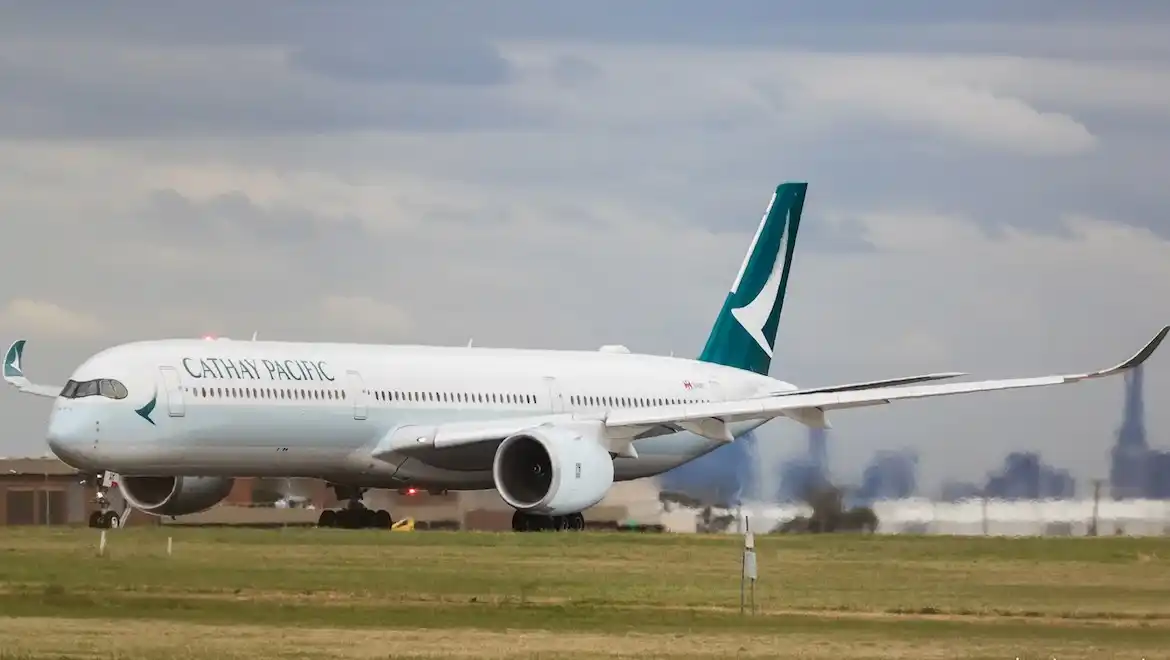
The Airbus A350-1000 has quietly become the defining aircraft of the ultra-long-haul era. Built to connect distant global cities nonstop with exceptional efficiency, this next-generation widebody is optimized for routes that stretch well beyond the traditional definition of long haul. As airlines deploy the A350-1000 on missions exceeding 14, 15, and even 16 hours, the economics of premium travel on these routes reveal far more than simple ticket prices. They expose how airlines monetize time savings, comfort, network reach, and sleep at 40,000 feet.
While travelers often search for “first class” pricing on the world’s longest flights, the reality is more nuanced. On most Airbus A350-1000 routes, a true international first-class cabin no longer exists. Instead, airlines have engineered ultra-premium business-class products that deliver privacy, space, and rest comparable to legacy first class—at prices that still firmly occupy the luxury end of the market. Understanding what these cabins cost, and why, requires looking beyond the seat itself and into the strategic role these routes play within global airline networks.
The figures discussed here reflect bookable fares, recent pricing benchmarks, and observed market behavior across key city pairs. They are shaped by seasonality, corporate contracts, inventory controls, and the relentless economics of ultra-long-haul flying, where premium cabins often determine whether a route thrives or fails.
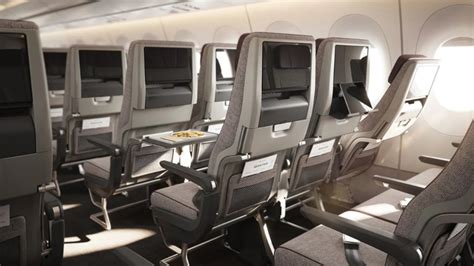
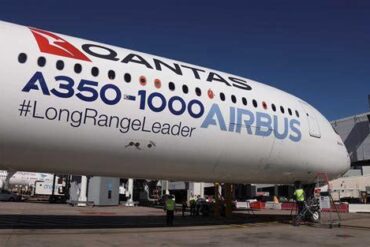
The Airbus A350-1000 as a Premium Route Workhorse
The A350-1000 is the largest and longest-ranged variant of Airbus’s flagship A350 family, and its design priorities are evident the moment one steps onboard. Lower cabin altitude, quieter interiors, wider seats, and advanced air filtration all matter more when flights exceed half a day in duration. For airlines, however, the aircraft’s real advantage lies in its revenue density. On routes where fuel burn is high and schedules are unforgiving, premium cabins are not optional enhancements—they are structural necessities.
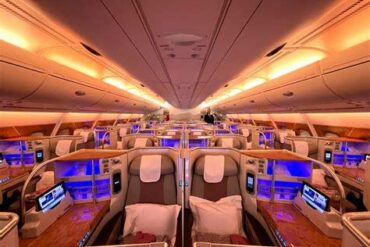
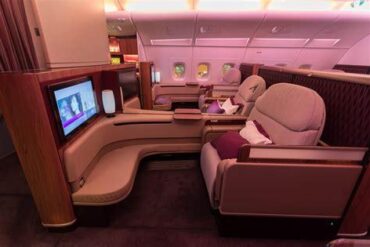
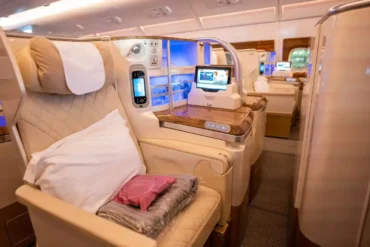
As a result, airlines operating the A350-1000 have largely abandoned traditional first class in favor of high-yield business-class cabins capable of commanding strong fare premiums while fitting more seats into the forward cabin. Products like Qatar Airways’ Qsuite, Cathay Pacific’s long-haul business class, Etihad’s Business Studio, and Ethiopian Airlines’ Cloud Nine are designed to capture travelers who value privacy and rest but no longer require a dedicated first-class brand label.
These cabins consistently generate the strongest margins on ultra-long-haul routes. Their pricing reflects not only onboard comfort but also time savings, hub connectivity, and schedule reliability, all of which become increasingly valuable as flight lengths increase.
Qatar Airways Los Angeles–Doha: Pricing the Longest of the Long
The nonstop service between Los Angeles International Airport and Doha’s Hamad International Airport stands as one of the most demanding missions flown by the Airbus A350-1000. Spanning nearly 16 hours, this route is a showcase for Qatar Airways’ premium strategy and its globally recognized Qsuite business-class product.
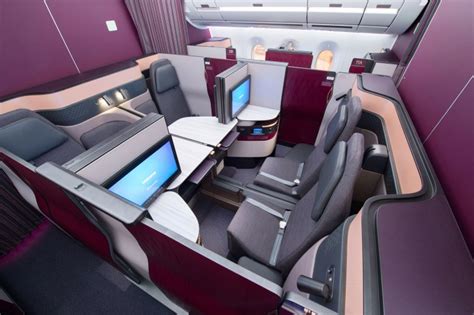
On this city pair, round-trip business-class fares typically begin around $5,000, even during relatively quiet travel periods. That figure represents a baseline rather than a ceiling. Holiday travel, last-minute bookings, and constrained inventory can push fares significantly higher, particularly when downstream connections through Doha to South Asia, East Africa, or the Gulf are in high demand.
The pricing power on this route stems from several overlapping advantages. Los Angeles offers a massive origin-and-destination market, while Doha functions as a hyper-efficient transfer hub. Qatar Airways is not simply selling a seat between California and Qatar; it is selling one-stop global access to dozens of cities that would otherwise require multiple connections. When connecting banks fill, premium cabin availability tightens rapidly, reinforcing higher fare floors.
At the same time, travelers with flexibility can still find moments of relative value. Qatar Airways periodically releases off-peak business-class sales that make the Qsuite experience accessible at prices that feel almost restrained given the flight length. The lesson here is that on ultra-long-haul routes, timing and flexibility matter as much as loyalty.
Doha to Dallas/Fort Worth: Connectivity as a Pricing Weapon
Qatar Airways’ nonstop service between Doha and Dallas/Fort Worth International Airport shares many characteristics with the Los Angeles route, but with an added strategic dimension. Dallas/Fort Worth is one of the largest airline hubs in the world, and its connectivity—particularly through Qatar’s partnership with American Airlines—allows Qatar to tap into a vast domestic feeder network.

Business-class fares on this route generally start in the mid-$5,000 range, reflecting consistent corporate demand and limited nonstop competition. The appeal is straightforward: a single overnight flight connects North Texas to the Middle East, South Asia, and Africa with minimal friction. On a journey lasting 15 to 16 hours, the privacy of the Qsuite, its fully enclosed doors, and its sleep-optimized layout become decisive selling points.
Revenue management plays an outsized role here. Fare spikes align predictably with school holidays, major Gulf travel periods, and significant religious events. Conversely, travelers willing to depart on less popular days—or to position themselves to alternative US gateways—can occasionally unlock materially lower premium fares.
In effect, Qatar Airways prices this route not merely on distance, but on time saved and complexity avoided, a theme that repeats across the world’s longest A350-1000 services.
Cathay Pacific Hong Kong–New York: When Business Class Becomes a Luxury Asset
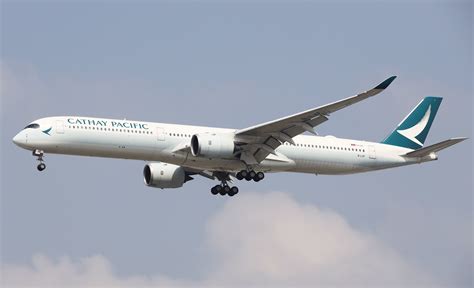
Cathay Pacific’s nonstop service between Hong Kong International Airport and New York’s John F. Kennedy International Airport represents one of the most prestigious ultra-long-haul routes in the world. Although Cathay reserves its traditional first-class cabins for select Boeing 777-300ER services, the A350-1000 operating this route delivers a business-class experience designed to compete at the very top of the market.
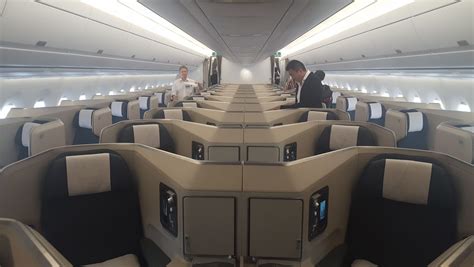
Business-class fares on this route frequently hover around HKD 50,637, or approximately $6,800, particularly during peak travel windows. These prices underscore how rapidly long-haul business class has moved into luxury pricing territory. The Hong Kong–New York market is defined by financial institutions, multinational corporations, and premium leisure travelers, all of whom place a premium on schedule reliability and nonstop convenience.
Cathay Pacific also benefits from JFK’s role as a gateway to the northeastern United States. The airline is not only selling New York as a destination but also leveraging its partnerships and network reach to distribute premium traffic throughout the region. For travelers, this means fewer viable alternatives that match Cathay’s combination of elapsed time, service quality, and network integration.
Advance booking remains the most effective strategy for moderating costs on this route. As departure dates approach, fare curves steepen sharply, reflecting the high willingness to pay among last-minute corporate travelers.
Hong Kong–Chicago: Shorter Distance, Similar Premium Pricing
Cathay Pacific’s nonstop service from Hong Kong to Chicago O’Hare International Airport may be slightly shorter than the JFK route, but its premium pricing tells a familiar story. Sample business-class round-trip fares on this city pair routinely approach $6,900, even during shoulder-season travel months.
Chicago’s status as a corporate and alliance-heavy market exerts upward pressure on yields. Travelers often require specific departure times or guaranteed onward connections across the American Midwest, reducing flexibility and reinforcing higher fare floors. Seasonal dynamics further complicate pricing, with eastbound flights from Asia peaking around conference seasons and major holidays.
Operational considerations also play a role. Winter weather and congestion at O’Hare introduce schedule risk, prompting airlines to build additional buffer time into operations. Premium cabins are where these operational costs are most effectively recovered, reinforcing the link between reliability and high pricing.
For travelers, the key insight is that distance alone does not dictate price. Market structure, corporate demand, and network utility matter far more than mileage when it comes to ultra-long-haul premium fares.
Etihad Airways Abu Dhabi–Atlanta: A Study in Relative Value
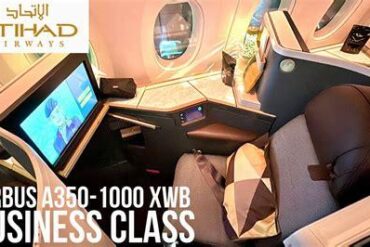
Etihad Airways’ Airbus A350-1000 operations offer a slightly different perspective on premium pricing. On routes such as Abu Dhabi International Airport to Hartsfield-Jackson Atlanta International Airport, the airline deploys a two-cabin configuration where business class represents the pinnacle of the onboard experience.
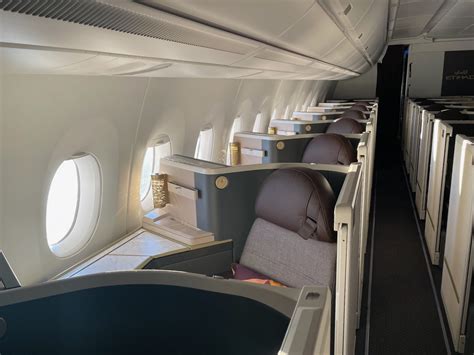
When conditions align, business-class fares on this route can fall to around $4,400, positioning it as one of the more attractively priced ultra-long-haul premium options. This relative value reflects both network structure and competitive context. Atlanta is a massive US connecting hub, while Abu Dhabi offers efficient onward connections to India and parts of Asia. At the same time, passengers often have alternative one-stop options via Europe, tempering Etihad’s pricing power.
However, this value window can close quickly. Peak travel periods see premium cabins fill rapidly as connecting flows surge, particularly during South Asian holiday seasons. Etihad’s pricing strategy underscores an important reality: ultra-long-haul premium fares exist on a wide spectrum, and identifying value requires both flexibility and market awareness.
Why First Class Has Quietly Disappeared from the A350-1000
The absence of traditional first class on most Airbus A350-1000 routes is not accidental. By the time this aircraft entered service, the industry had already begun shifting toward highly differentiated business class as the primary premium revenue driver. Modern business-class seats offer fully flat beds, direct aisle access, advanced privacy features, and increasingly personalized service—at a lower cost per square foot than first class.
For airlines, the trade-off is compelling. More seats can be sold at high prices, and the cabin appeals to both corporate buyers and affluent leisure travelers. On ultra-long-haul routes, where fuel costs and crew expenses are substantial, this balance is critical to profitability.
The Economics Behind the Price Tag
Across the world’s longest A350-1000 routes, premium cabins do far more than enhance passenger comfort. They subsidize fuel burn, absorb operational risk, and justify nonstop service on routes that would otherwise be marginal. Cargo revenue and full economy cabins matter, but it is the consistent sale of high-yield premium seats that keeps these missions viable.
For travelers, the cost of flying at the front of the A350-1000 reflects a complex equation. It prices not only space and service, but also time, certainty, and physical well-being on flights that redefine endurance. As airlines continue refining premium offerings and optimizing networks, the line between business class and first class will blur even further—while the price of true comfort on the longest routes remains firmly in luxury territory.