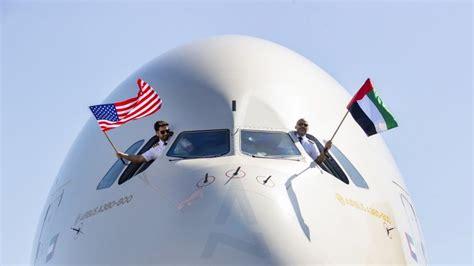
In an age where ultra-long-haul flights often steal the spotlight, one-stop Airbus A380 routes quietly demonstrate the capabilities of modern aviation in connecting far-flung cities over journeys that can span nearly 24 hours. These flights combine the superjumbo’s renowned passenger comfort with intricate hub operations, creating marathon journeys that reflect both engineering excellence and operational precision.
The Airbus A380, the world’s largest passenger aircraft, was originally envisioned as a non-stop long-haul workhorse, linking high-density city pairs. However, its versatility shines brightest on extended one-stop itineraries that combine vast capacity with service quality across multiple sectors. Airlines like Qantas and Emirates have embraced these missions, optimizing for seat load factors and hub efficiency while offering passengers a uniquely comfortable experience on these record-setting journeys.
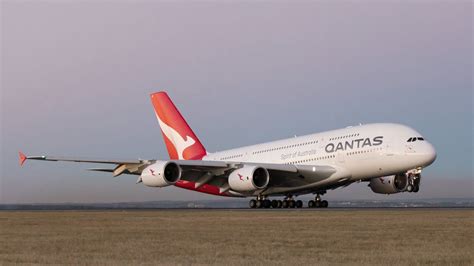
The Qantas Kangaroo Route: Nearly 25 Hours Of Luxury
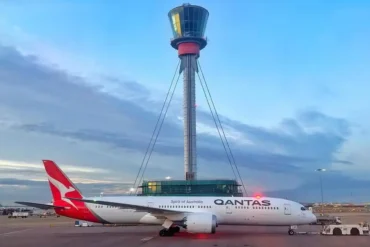
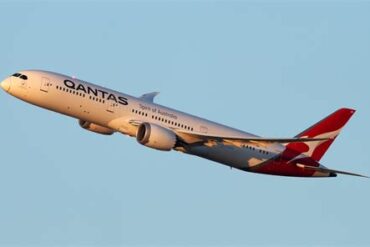
At the very pinnacle of these epic itineraries is the Qantas Airbus A380 service linking Sydney Kingsford Smith Airport (SYD) and London Heathrow (LHR) via Singapore Changi Airport (SIN). Known globally as the Kangaroo Route, this journey spans a remarkable 24.75 hours from departure in Australia to touchdown in the United Kingdom. Qantas operates 30 round-trip flights per month on this route, each carrying an average of 485 passengers in a premium-heavy configuration designed for maximum comfort over extreme durations.
While the air time for a direct SYD-LHR service under Project Sunrise will eventually be reduced to around 20 hours, the current one-stop itinerary’s extended duration reflects not only flight time but also the critical layover operations in Singapore. The A380’s configuration, featuring spacious upper deck cabins and upgraded inflight service, ensures that passengers are well cared for during this nearly 25-hour adventure.
Emirates’ South Pacific Connector: Dubai To Christchurch
Coming close behind is Emirates’ A380 service from Dubai International Airport (DXB) to Christchurch Airport (CHC) via Sydney. This route, covering 18.58 hours including transit time, highlights Emirates’ strategy of linking high-demand markets across multiple continents with a single aircraft type. Each of the 30 monthly flights accommodates 484 passengers, blending cargo capacity with tourism and business demand between the Middle East and New Zealand.
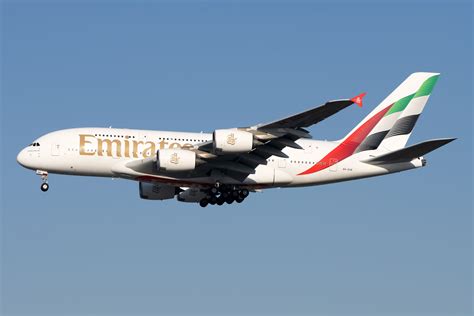
This service is particularly notable as it represents the only scheduled A380 operation to New Zealand, underlining Emirates’ commitment to using the superjumbo on strategically important, high-capacity routes where demand justifies the aircraft’s deployment.
Transatlantic Bridge: Emirates’ DXB-JFK Via Milan
Another significant long one-stop A380 itinerary is Emirates’ route from Dubai to New York JFK, with a stop in Milan Malpensa (MXP). Spanning an average of 17.33 hours, this service blends transatlantic business demand with Middle Eastern connections. The aircraft’s high-density configuration seats 519 passengers, reflecting Emirates’ drive to maximize yield on this high-traffic pairing while providing consistent cabin experience across both sectors.
Passengers benefit from a relatively short layover in Milan, yet the total duration ensures the route remains one of the lengthiest one-stop A380 services globally.
Regional Powerhouse: Emirates’ DXB-HKG Via Bangkok
Although shorter than its ultra-long counterparts, Emirates’ DXB-HKG route via Bangkok Suvarnabhumi (BKK) still represents an impressive deployment of the A380. The combined journey of 11.25 hours underscores the aircraft’s versatility in serving high-demand regional corridors. With 516 seats per flight across 30 monthly services, Emirates effectively balances capacity and frequency while delivering the renowned A380 cabin experience even on medium-haul pairings.
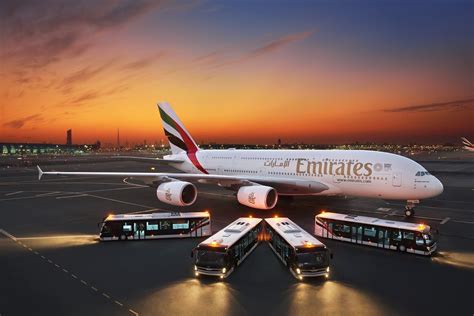
Why Long 1-Stop A380 Flights Still Matter
In a post-pandemic aviation landscape, these long one-stop A380 services play a vital role in airline network strategies. While some carriers have moved to phase out the type in favor of newer, more fuel-efficient models, airlines like Emirates and Qantas have found renewed purpose for their A380s on routes where demand justifies the capacity and where premium service levels offer a distinct competitive edge.
By consolidating what might otherwise require multiple aircraft movements, these flights help carriers manage cost per seat-mile effectively, a crucial consideration as the industry rebuilds. Passengers, in turn, benefit from the continuity of traveling on a single aircraft type across complex itineraries, minimizing connection hassles and delivering a consistent onboard experience.
The Inflight Experience: Comfort That Endures
The Airbus A380’s double-deck design and innovative cabin features make it ideally suited to ultra-long one-stop routes. Passengers across all classes enjoy the benefits of a quieter cabin, reduced turbulence sensations, and enhanced space. Emirates’ onboard bar and first-class shower suites, along with Qantas’ refined service menus and Australian hospitality, turn these lengthy flights into experiences rather than endurance tests.
Lower cabin altitude and advanced air filtration systems also reduce jet lag and fatigue, critical on journeys that stretch nearly a full day from takeoff to final landing. For business travelers and premium leisure passengers, these comforts translate into real value — allowing arrival refreshed and ready for what lies ahead.
A Lasting Legacy Of The A380’s Endurance
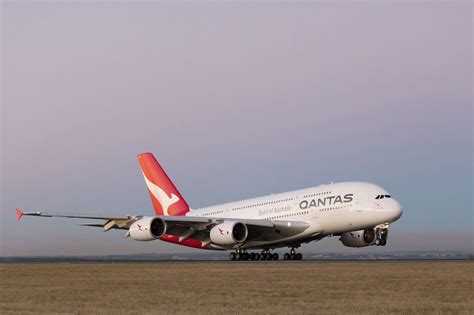
The era of the A380 as a mainstay of ultra-long-haul one-stop travel may gradually give way to newer aircraft like the Airbus A350-1000 or Boeing 777X, yet its role in connecting the world on these marathon routes remains unmatched for now. These flights are a testament to the superjumbo’s capabilities, combining engineering strength, passenger comfort, and airline network ingenuity.
As international travel demand continues to recover and evolve, these extraordinary journeys will likely remain iconic fixtures in global aviation history — celebrating the unique niche where the A380 has truly excelled.