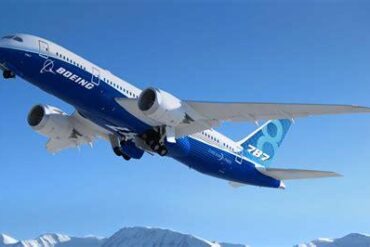
The modern era of ultra-long-haul aviation is defined not by brute force, but by efficiency, restraint, and smart engineering. At the center of this quiet revolution sits the Boeing 787 Dreamliner, an aircraft that has redrawn the global route map by making flights once deemed impractical not only possible, but commercially sustainable. Journeys stretching well beyond fifteen hours are no longer exotic experiments; they are scheduled, bookable realities flown daily by major airlines.
What makes these missions remarkable is not just their duration, but the way they connect cities that historically relied on stopovers, technical landings, or simply went unserved. Australia, geographically isolated yet globally connected, dominates this space, while select North American and Asian hubs complete the picture. Using detailed operational data and airline scheduling patterns, these seven routes stand as the longest regularly operated Boeing 787 flights on Earth, pushing close to the aircraft’s endurance limits while redefining passenger expectations of comfort and reliability.
The Dreamliner’s role here is not accidental. With up to 25% better fuel efficiency than older widebody designs, advanced composite materials, and a cabin optimized for long-duration wellbeing, the 787 has turned distance into a strategic advantage rather than a liability. These routes are where engineering ambition meets commercial nerve.
Engineering the Age of Ultra-Long-Haul Flight
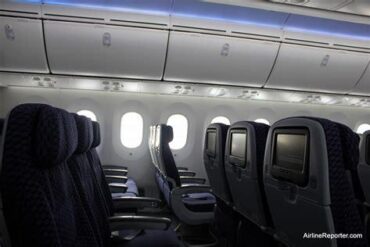
Before diving into individual routes, it is worth understanding why the Boeing 787 is uniquely suited to these marathon journeys. Roughly 80% composite by volume, the aircraft resists corrosion and fatigue better than traditional aluminum airframes. This allows for higher cabin humidity and lower pressurization—typically equivalent to 6,000 feet instead of the older 8,000-foot standard—reducing dehydration, headaches, and fatigue on flights lasting more than half a day.
Equally important is flexibility. Airlines can configure the 787 with lower seat counts to trade capacity for range, allowing thinner long-haul routes to exist without the passenger volumes required by aircraft like the Airbus A380. This balance between efficiency and comfort is the quiet secret behind every route on this list.
7. Dallas–Sydney: A Rare Transpacific Marathon
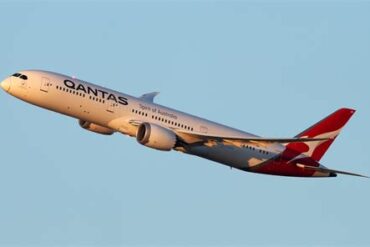
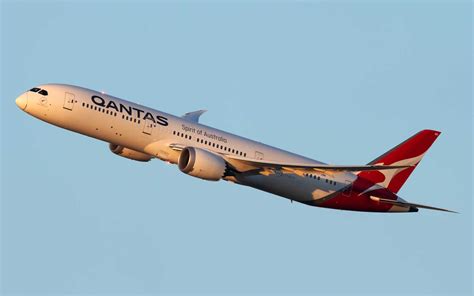
Qantas’ nonstop service between Sydney (SYD) and Dallas/Fort Worth (DFW) sits at the lower end of this ranking, yet remains an extraordinary feat. Depending on direction, flight times vary dramatically due to high-altitude jet streams. Eastbound from Australia, the journey typically lasts around 15 hours and 30 minutes, while the westbound return to Sydney can approach 17 hours.
Covering approximately 8,596 miles, this route is operated only sparingly by the 787-9, with the Airbus A380 handling most frequencies. That rarity adds a sense of exclusivity. With just over 2,100 annual seats on the Dreamliner, passengers benefit from a quieter, more intimate cabin environment and Qantas’ latest long-haul service standards across all classes.
6. San Francisco–Singapore: America’s Asian Endurance Test
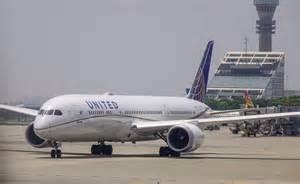
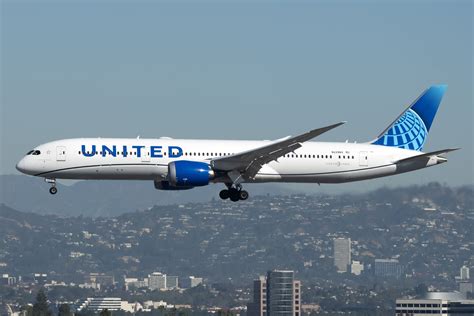
United Airlines’ nonstop San Francisco (SFO) to Singapore (SIN) route is one of the longest flights ever operated by a US carrier. Clocking in at over 16 hours westbound and roughly 15.5 hours eastbound, this 8,440-mile journey exemplifies how the 787 transformed ultra-long-haul travel from niche to normal.
Operating more than 730 flights annually, United relies on the 787-9 to make this route economically viable without specialized variants. The airline’s Polaris business class, arranged in a 1-2-1 layout, turns this marathon into a manageable experience, while Premium Plus and Economy Plus cabins provide realistic comfort options for travelers unwilling to endure standard economy for nearly seventeen hours.
5. Houston–Sydney: Crossing the Pacific’s Broadest Reach
United’s Houston (IAH) to Sydney service pushes slightly farther, spanning about 8,587 miles. Westbound flights frequently touch 17 hours, while eastbound legs shave off over an hour thanks to tailwinds. This route underscores the Dreamliner’s core mission: enabling long, thin routes that would struggle under heavier aircraft economics.
Cabin features become especially relevant here. Higher humidity, dynamic LED lighting tuned to circadian rhythms, and quieter engines collectively reduce the physical toll of such a long journey. Two full hot meals, continuous snack access, power outlets at every seat, and onboard connectivity transform what would otherwise be an endurance test into a structured, livable experience.
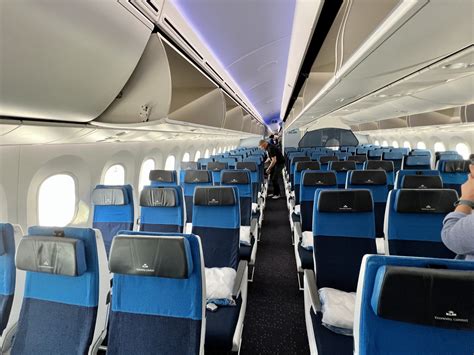
4. New York–Auckland: Linking Two Hemispheres Directly
Nonstop service between New York (JFK) and Auckland (AKL) was once aviation fantasy. The Boeing 787 made it routine. Eastbound flights from New Zealand typically take between 15.5 and 16.25 hours, while the return to Auckland averages just over 17 hours, driven by prevailing winds.
Spanning 8,813 miles, Qantas operates this route nearly 300 times per year, offering over 67,000 seats annually. Business class passengers enjoy fully lie-flat beds with direct aisle access, while premium economy has become a standout option for travelers seeking balance between cost and comfort. Even in economy, Qantas’ long-haul service philosophy emphasizes attentive crew support and consistent meal service, crucial on flights of this magnitude.
3. Paris–Perth: Europe Meets Western Australia Nonstop
The Paris (CDG) to Perth (PER) route stands as a testament to how the 787 reshaped Europe–Australia connectivity. Scheduled at around 16 hours and 40 minutes eastbound and stretching to approximately 17 hours and 20 minutes westbound, this 8,847-mile flight was introduced in 2024 and quickly proved its viability.
Before the Dreamliner, no aircraft could economically connect Western Australia directly to mainland Europe. The route’s success highlights how passenger preference for nonstop travel can outweigh sheer distance. Reduced dehydration, better oxygen absorption, and improved sleep quality make this journey feel less punishing than older one-stop itineraries of similar total duration.
2. Dallas–Melbourne: The Near-Eighteen-Hour Threshold
Few scheduled flights flirt with 18 hours quite like Melbourne (MEL) to Dallas/Fort Worth. Covering roughly 8,973 miles, this Qantas-operated route routinely exceeds 17 hours, placing it among the longest Dreamliner missions in regular service.
Launched to bypass congested hubs like Los Angeles, the route leverages Dallas’ role as a major connecting hub for American Airlines, Qantas’ key US partner. By using the 787-9 instead of higher-capacity aircraft, Qantas found the sweet spot between demand and efficiency, offering seamless one-stop connections across North America while dramatically cutting total travel time.
1. London–Perth: The World’s Longest Boeing 787 Flight
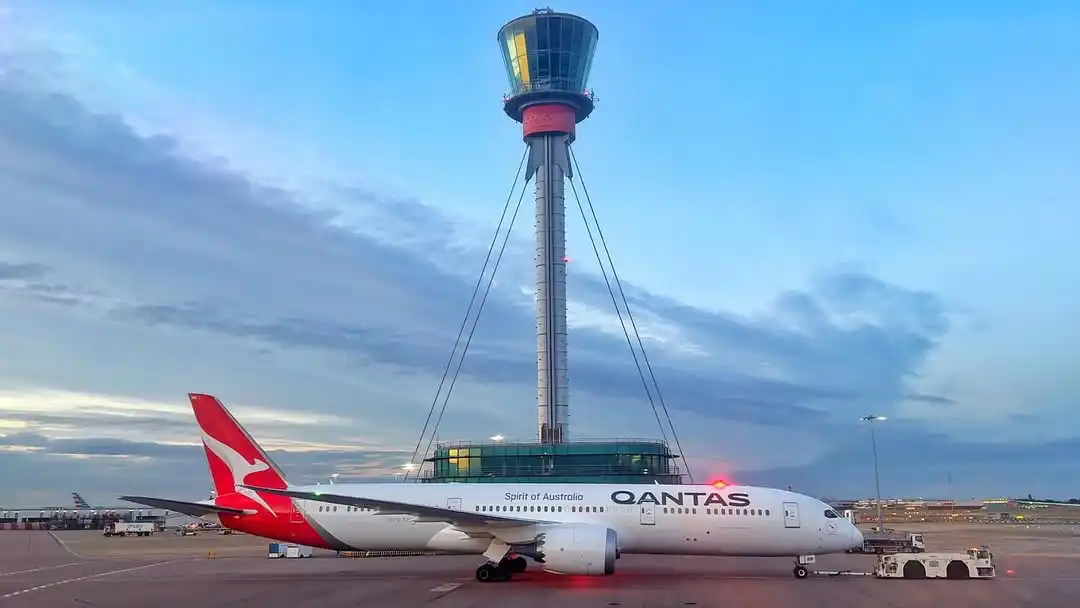
At the pinnacle sits London Heathrow (LHR) to Perth, the longest regularly scheduled Boeing 787 flight in the world. Approaching 18 hours and nearly 9,000 miles, this historic route marked the first nonstop commercial connection between Australia and Europe when it launched in 2018.
Qantas deliberately configures these aircraft with just 236 seats, prioritizing range and fuel reserves over capacity. Perth’s role as a western gateway allows seamless domestic connections across Australia, while eliminating stopovers cuts total travel time dramatically. This route is not merely long; it represents a philosophical shift in how airlines think about distance, comfort, and network design.
Why These Flights Matter
These seven routes illustrate more than endurance; they reflect a strategic transformation in global aviation. The Boeing 787 has allowed airlines to chase precision rather than scale, connecting cities based on demand and efficiency instead of aircraft limitations. For passengers, this means fewer layovers, more predictable journeys, and cabins designed for human biology rather than pure capacity.
As airlines continue refining long-haul operations and future aircraft push even farther, these Dreamliner routes stand as benchmarks—quiet, efficient proof that distance is no longer the defining barrier it once was.