Singapore Airlines Uses The Boeing 737 MAX For Unexpected Long-Haul Missions
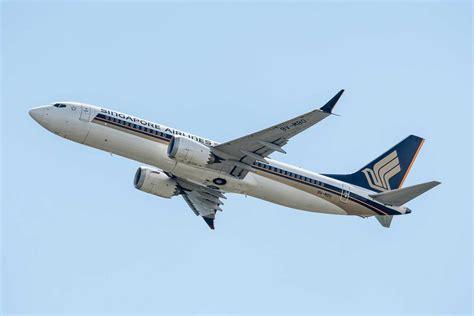
The Boeing 737 MAX is often associated with short and medium-haul airline operations, but modern aviation technology has transformed what narrowbody aircraft can achieve. With improved fuel efficiency, advanced aerodynamics, and extended range capabilities, the 737 MAX has entered a market segment that was once dominated almost entirely by widebody aircraft.
Singapore Airlines has taken advantage of this evolution by deploying its Boeing 737 MAX 8 fleet on routes that stretch far beyond traditional narrowbody expectations. Some of these flights approach seven hours of nonstop travel, proving that the latest generation of single-aisle aircraft can support international routes that were previously difficult to operate profitably.
According to scheduling data from aviation analytics provider Cirium, Singapore Airlines operates 11 Boeing 737 MAX routes exceeding 4.5 hours of scheduled flight time. These services connect destinations across Asia and beyond, demonstrating how the airline uses the aircraft not only for regional connectivity but also for longer international missions.
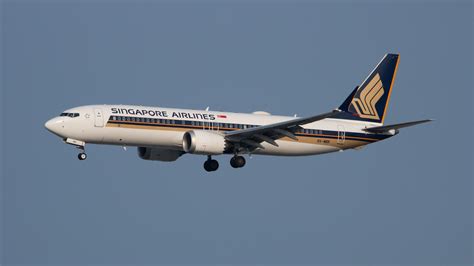
The longest Boeing 737 MAX services in Singapore Airlines’ network highlight the changing economics of aviation. Instead of relying exclusively on larger aircraft, airlines can now match capacity more precisely with passenger demand while maintaining route frequency and operational flexibility.
Singapore Airlines’ 11 Longest Boeing 737 MAX Routes
Among Singapore Airlines’ MAX-operated services, the longest flights are concentrated around several key markets in Asia and Australia. The two most extreme examples are flights connecting Singapore Changi Airport (SIN) with Busan, South Korea, and Cairns, Australia, both of which approach seven hours of scheduled flying time.
The Busan–Singapore service represents one of the most surprising examples of a long-distance 737 MAX operation. Historically, routes of this length would have typically required a larger aircraft, offering greater passenger capacity and cargo capability. However, the efficiency of the MAX allows Singapore Airlines to maintain the connection with a smaller but highly capable aircraft.
The Cairns–Singapore route provides another example of how narrowbody aircraft are reshaping international networks. Tourism-driven routes can experience significant seasonal demand changes, making large widebody aircraft difficult to justify throughout the year. The 737 MAX gives Singapore Airlines the ability to continue serving the market while adjusting capacity more effectively.
Other long-range MAX routes include services linking Singapore with destinations such as Chennai, Jakarta, Kathmandu, Bengaluru, Colombo, Kochi, and other important regional markets. Many of these flights operate for more than five hours, placing them firmly in territory once considered unsuitable for narrowbody aircraft.
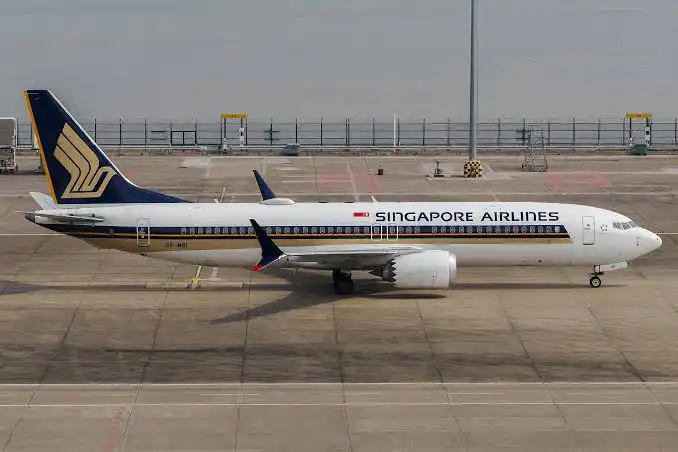
The deployment strategy shows that Singapore Airlines is not simply replacing larger aircraft with smaller ones. Instead, the carrier uses the MAX as part of a broader fleet management approach, combining different aircraft types to respond to changing market conditions.
How The Boeing 737 MAX Enables Longer International Flights
The success of these routes is closely connected to the technological improvements introduced with the 737 MAX family. Compared with earlier generations of the 737, the MAX features more efficient engines, improved wing design, and aerodynamic enhancements that reduce fuel consumption.
Singapore Airlines currently operates the 737 MAX 8, the most widely used version of the MAX family. According to manufacturer specifications, the aircraft offers a maximum range of approximately 6,480 kilometers, allowing airlines to operate routes that were previously challenging for narrowbody fleets.
The aircraft’s range is supported by the advanced CFM International LEAP-1B engines, which provide improved fuel efficiency and lower operating costs. These advantages are particularly valuable on longer routes, where fuel consumption represents a major portion of airline expenses.
While the aircraft can accommodate up to 210 passengers in a high-density configuration, Singapore Airlines focuses on a more premium passenger experience. The airline’s MAX 8 aircraft feature 154 seats, including 10 business class seats with lie-flat capability and 144 economy seats.
This configuration allows Singapore Airlines to maintain its reputation for quality service while operating an aircraft that is smaller than its traditional widebody fleet. The inclusion of lie-flat business class seats is especially important on longer flights, where passenger comfort becomes a major factor.
Flexible Capacity Management With The 737 MAX Fleet
One of the biggest advantages of the Boeing 737 MAX is its ability to help airlines adjust capacity according to demand. Singapore Airlines uses this flexibility to optimize routes throughout the year instead of committing larger aircraft to every market.
For example, certain routes may receive widebody aircraft such as the Airbus A350-900 or Boeing 777-300ER during periods of stronger demand. During quieter seasons, the airline can transition to the MAX while continuing to provide nonstop service.
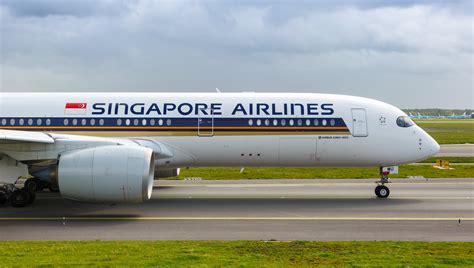
This approach represents a major shift in airline network planning. In previous decades, airlines often had to suspend or reduce long-distance routes during low-demand periods because operating widebody aircraft was too expensive. The arrival of efficient long-range narrowbody aircraft has changed that calculation.
The 737 MAX allows airlines to maintain connectivity, protect valuable airport slots, and serve niche international markets without the financial burden of oversized capacity.
The Growing Role Of Narrowbody Aircraft In Global Aviation
Singapore Airlines’ longest Boeing 737 MAX routes demonstrate how modern aircraft are redefining the boundaries between regional and long-haul flying. The traditional assumption that long international flights require large widebody jets is becoming less accurate as technology continues to improve.
For airlines, the benefits are clear: lower operating costs, greater scheduling flexibility, and the ability to match aircraft size with actual passenger demand. For travelers, these aircraft provide access to more nonstop routes while still offering premium amenities.
The 737 MAX is no longer simply a short-haul workhorse. Singapore Airlines’ nearly seven-hour flights show that the aircraft has become a strategic tool for international network expansion.
As airlines continue searching for efficiency in a competitive global market, long-range narrowbody aircraft are likely to become increasingly important. Singapore Airlines’ 11 longest Boeing 737 MAX routes represent a clear example of how the future of international travel may depend not only on larger aircraft, but also on smarter and more flexible fleet choices.