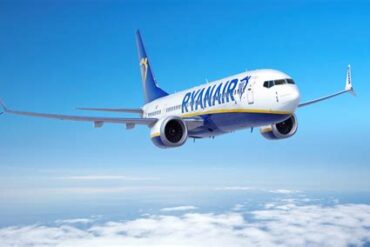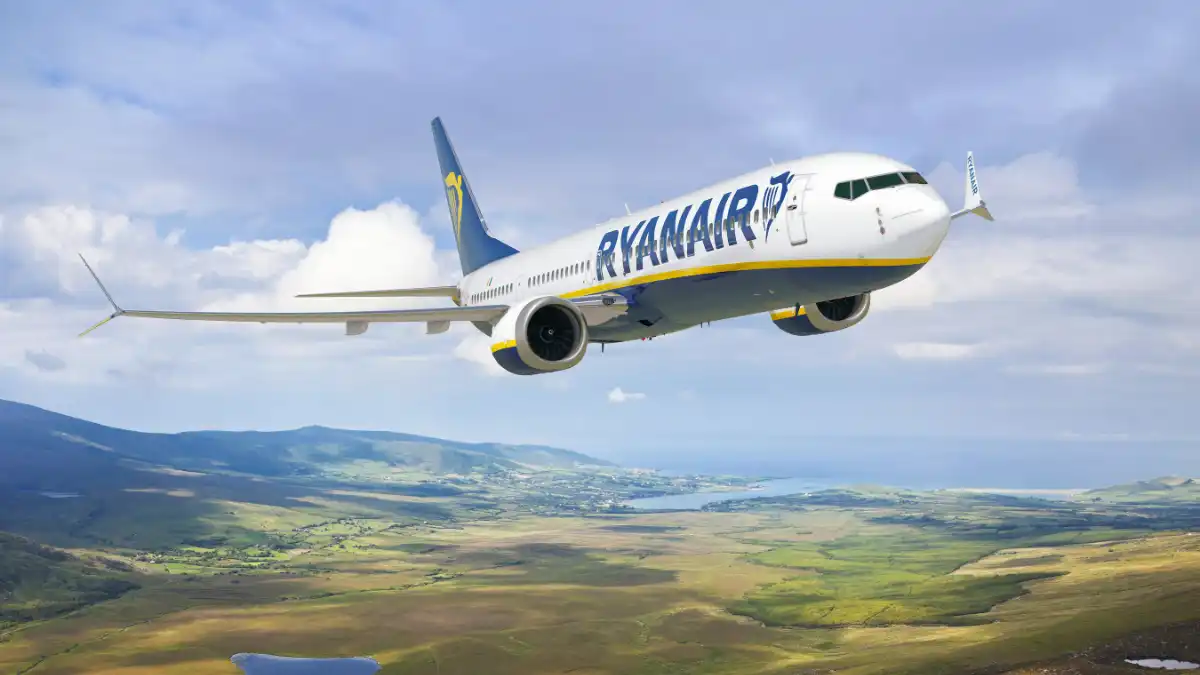
In 2026, Ryanair continues to demonstrate that an ultra-low-cost airline does not need widebody aircraft or premium cabins to operate some of Europe’s longest and most commercially successful leisure routes. Instead, the airline relies on the Boeing 737 MAX 8-200, a high-capacity narrowbody specifically tailored for low-cost operations, to connect mainland Europe with distant island destinations across the Atlantic and the Mediterranean.
Although Ryanair’s reputation has always been built around short-haul flights lasting one to three hours, several seasonal routes stretch the capabilities of the airline’s fleet much further. Services linking Central Europe with the Canary Islands or Cyprus regularly exceed 2,200 miles, yet remain perfectly suited to the economics of the Boeing 737 MAX 8-200.
These longer sectors occupy only a small portion of Ryanair’s enormous network, but they reveal an important aspect of the carrier’s strategy. Rather than chasing long-haul markets, Ryanair uses the improved range, efficiency, and seating capacity of the MAX to reach high-demand holiday destinations while maintaining the same low-cost operating philosophy that has defined the airline for decades.
The Boeing 737 MAX 8-200 Is the Backbone of Ryanair’s Modern Fleet
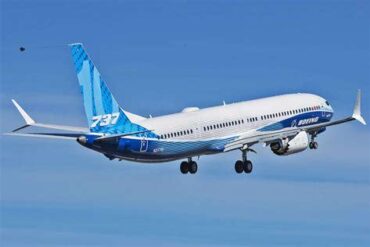
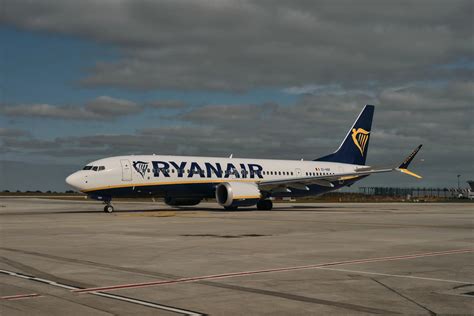
The Boeing 737 MAX family represents the latest evolution of Boeing’s bestselling single-aisle aircraft. Equipped with advanced CFM LEAP-1B engines, redesigned split-tip winglets, and numerous aerodynamic improvements, the aircraft consumes significantly less fuel than previous Boeing 737 generations while offering lower emissions and quieter operations.
For Ryanair, however, the most important version is the 737 MAX 8-200. Unlike the standard MAX 8, this variant was developed specifically for airlines seeking maximum seating density without sacrificing range or operational efficiency.
Configured with 197 economy seats, the aircraft allows Ryanair to spread operating costs across more passengers while maintaining virtually identical performance characteristics to the conventional MAX 8. Every flight therefore generates lower unit costs, helping preserve the airline’s reputation for consistently low fares.
Beyond fuel savings, the aircraft also simplifies maintenance, crew training, spare parts logistics, and scheduling. Standardization has always been one of Ryanair’s greatest competitive advantages, and expanding the MAX fleet reinforces that strategy.
Why Ryanair Operates Surprisingly Long Flights
Most travelers associate Ryanair with quick hops between European cities. Yet every summer the airline operates numerous flights lasting well over four hours.
The explanation lies in seasonal leisure demand.
Destinations such as the Canary Islands, Cyprus, and other Mediterranean vacation hotspots attract millions of tourists escaping colder climates across Northern and Central Europe. Instead of deploying widebody aircraft or creating complicated hub connections, Ryanair simply flies these sectors nonstop using the Boeing 737 MAX.
The aircraft’s range comfortably accommodates these missions while allowing Ryanair to maintain fast aircraft utilization and efficient scheduling. Travelers receive direct service, while the airline avoids the complexity associated with larger aircraft types.
This approach perfectly matches Ryanair’s business model: high passenger volumes, low operating costs, and maximum aircraft productivity.
Ryanair’s Longest Boeing 737 MAX Routes in 2026
The airline’s ten longest nonstop Boeing 737 MAX sectors illustrate how far modern narrowbody aircraft can operate while remaining economically efficient.
| Rank | Route | Average Distance |
|---|---|---|
| 1 | Kraków – Tenerife South | 2,437 miles |
| 2 | Budapest – Tenerife South | 2,343 miles |
| 3 | Berlin – Tenerife South | 2,281 miles |
| 4 | Dublin – Paphos | 2,278 miles |
| 5 | Berlin – Gran Canaria | 2,247 miles |
| 6 | Vienna – Tenerife South | 2,247 miles |
| 7 | Berlin – Fuerteventura | 2,166 miles |
| 8 | Newcastle – Paphos | 2,150 miles |
| 9 | Liverpool – Paphos | 2,145 miles |
| 10 | Berlin – Lanzarote | 2,129 miles |
These routes primarily connect major European population centers with some of the continent’s most popular year-round sunshine destinations.
Tenerife South Dominates Ryanair’s Longest Network
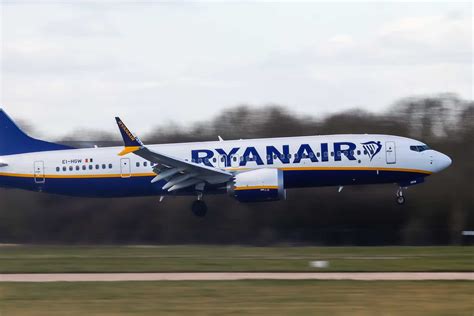
A quick glance at the route network reveals one clear trend: Tenerife South Airport (TFS) appears repeatedly.
Located in Spain’s Canary Islands off the northwest coast of Africa, Tenerife enjoys warm weather throughout the year. This consistent climate creates steady tourism demand regardless of season, making the airport one of Ryanair’s most strategically valuable leisure destinations.
Flights from Kraków, Budapest, Berlin, and Vienna rank among the airline’s very longest operations. Each route pushes well beyond the traditional European short-haul profile while remaining comfortably within the capabilities of the Boeing 737 MAX.
The Canary Islands have become a cornerstone of Ryanair’s winter expansion strategy, attracting travelers from colder regions seeking affordable beach holidays without requiring expensive long-haul flights.
Berlin Emerges as a Major Long-Distance Base
Another noticeable pattern is Berlin’s importance within Ryanair’s leisure network.
The German capital supports four of the airline’s ten longest Boeing 737 MAX routes, including services to Tenerife South, Gran Canaria, Fuerteventura, and Lanzarote.
Berlin’s large population, strong outbound tourism demand, and central European location make it an ideal departure point for Canary Islands services.
Instead of concentrating solely on traditional hubs, Ryanair has consistently expanded operations at secondary and underserved airports, creating new nonstop connections that stimulate additional passenger demand rather than competing exclusively for existing travelers.
Cyprus Adds Valuable Eastern Mediterranean Reach
While the Canary Islands dominate the western end of Ryanair’s longest network, Cyprus provides another example of the Boeing 737 MAX’s flexibility.
Flights from Dublin, Newcastle, and Liverpool to Paphos (PFO) exceed 2,100 miles, making them among the airline’s longest scheduled operations.
Cyprus has become an increasingly popular destination for British and Irish tourists thanks to its warm climate, extensive beaches, and relatively short travel time compared with destinations farther afield.
These routes demonstrate how Ryanair leverages aircraft efficiency to profitably serve leisure markets that once would have required larger aircraft or connecting itineraries.
Passenger Experience on Ryanair’s Longest Flights
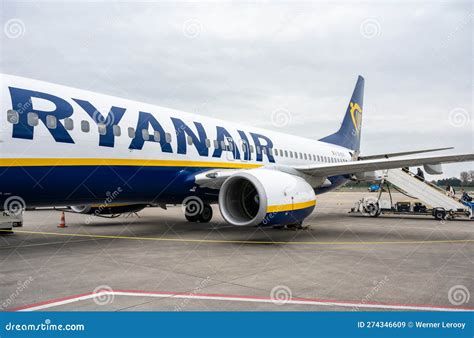
Despite operating flights approaching five hours in duration, Ryanair maintains an intentionally simple onboard product.
Every passenger travels in a single economy cabin featuring identical seating arrangements, reflecting the airline’s commitment to operational consistency.
The Boeing 737 MAX 8-200 offers:
- 197 economy seats
- 29-inch seat pitch
- 15.5-inch seat width
- Optional Extra Legroom seating
- Priority Boarding
- Buy-on-board food and beverages
The minimalist cabin design supports quick boarding, rapid cleaning, and fast turnarounds, allowing aircraft to spend more time generating revenue rather than remaining on the ground.
Passengers expecting premium amenities may find the experience basic, but budget-conscious travelers generally prioritize low fares over additional services, particularly when flying to holiday destinations.
Fleet Standardization Drives Lower Costs
One of Ryanair’s greatest competitive strengths remains its commitment to operating a highly standardized fleet.
As of mid-2026, the airline’s fleet includes:
| Aircraft | Fleet Size | Seats |
|---|---|---|
| Boeing 737 MAX 8-200 | 209 | 197 |
| Boeing 737-800 | 396 | 189 |
| Airbus A320 (Lauda Europe) | 26 | 180 |
Maintaining a predominantly Boeing fleet delivers substantial operational advantages.
Pilots require fewer type ratings, engineers become specialists on one aircraft family, spare parts inventories remain smaller, and maintenance procedures become increasingly streamlined. These efficiencies contribute directly to Ryanair’s exceptionally low operating costs.
The airline has also invested approximately $22 billion in expanding its Boeing 737 MAX fleet, highlighting its confidence in the aircraft as the foundation of future growth.
The Next Phase of Ryanair’s Fleet Expansion
Ryanair’s modernization program extends well beyond the current MAX 8-200 fleet.
The airline has ordered 300 Boeing 737 MAX 10 aircraft, which are expected to begin joining the fleet later this decade. The MAX 10 offers even greater seating capacity while preserving the operational efficiencies that have made the MAX family attractive to low-cost airlines worldwide.
As older Boeing 737-800 aircraft gradually retire, Ryanair expects its average fleet age to remain among Europe’s youngest.
A younger fleet provides multiple benefits beyond fuel efficiency, including improved reliability, reduced maintenance downtime, lower emissions, and better environmental performance. These factors become increasingly important as European aviation faces stricter sustainability targets.
How the Boeing 737 MAX Supports Ryanair’s Business Model
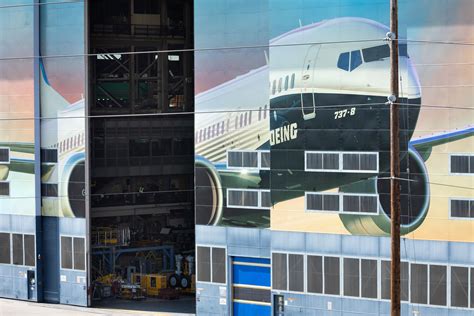
The Boeing 737 MAX is more than simply a replacement aircraft for Ryanair—it is a strategic enabler.
Lower fuel consumption reduces one of aviation’s largest operating expenses. Increased seating capacity lowers unit costs even further. Extended range opens additional markets without requiring new aircraft categories.
Together, these advantages allow Ryanair to expand selectively into longer leisure sectors while maintaining the high-frequency, point-to-point model that has driven its success for decades.
Instead of transforming into a hybrid carrier or introducing long-haul operations, Ryanair continues refining what it already does exceptionally well: transporting large numbers of passengers at extremely competitive prices using one of the world’s most efficient narrowbody aircraft families.
The Boeing 737 MAX Continues Transforming European Low-Cost Aviation
Ryanair is far from the only airline embracing the Boeing 737 MAX.
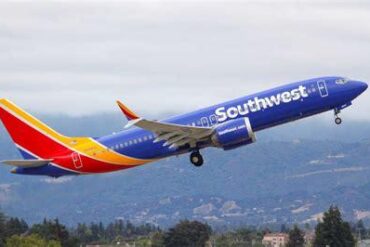
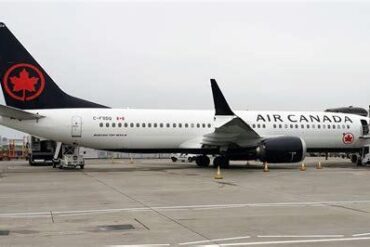
Major operators around the world—including Southwest Airlines, American Airlines, United Airlines, and Turkish Airlines—have incorporated various MAX variants into their fleets to improve efficiency and extend route networks.
The aircraft’s combination of fuel savings, longer range, quieter engines, and advanced flight deck technology has reshaped the economics of single-aisle flying.
Meanwhile, Boeing continues expanding production capacity to meet sustained global demand, reflecting strong confidence among airlines that modern narrowbody aircraft will remain central to commercial aviation for decades.
Final Thoughts
Ryanair’s longest Boeing 737 MAX routes in 2026 demonstrate how advances in aircraft technology continue reshaping European air travel. Flights stretching more than 2,400 miles from mainland Europe to destinations such as Tenerife South and Paphos would once have represented the upper limits of narrowbody capability. Today, they fit seamlessly into Ryanair’s high-utilization, low-cost network.
By combining the high-capacity 737 MAX 8-200 with disciplined fleet standardization, efficient scheduling, and carefully selected leisure markets, Ryanair has expanded the reach of its network without compromising the simplicity that defines its business model. As additional MAX aircraft enter service and the larger MAX 10 eventually joins the fleet, the airline will gain even greater flexibility to grow across Europe while preserving the cost advantages that have made it the continent’s leading ultra-low-cost carrier.