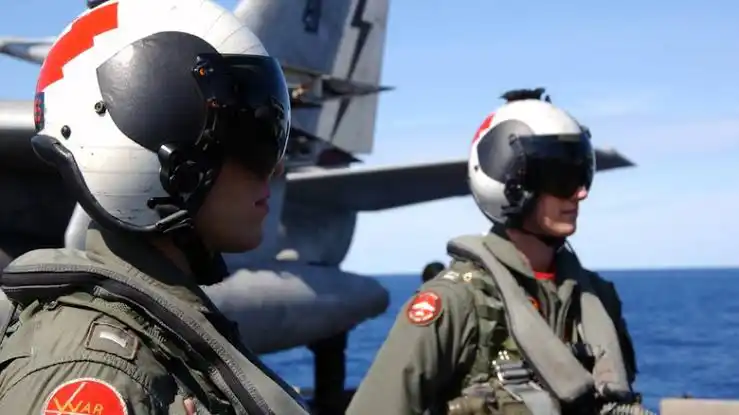
The U.S. Navy Reserve is dramatically increasing its efforts to retain experienced aviators with a bonus program worth up to $280,000 over seven years. The initiative highlights a growing challenge facing the American military: keeping highly trained pilots in uniform after investing years of training and millions of dollars in developing their skills. As commercial aviation continues to offer attractive salaries and predictable lifestyles, the Navy is responding with one of its most generous aviation retention incentives in recent memory.
Why The Navy Is Paying More To Retain Experienced Aviators
Military aviation has always demanded an extraordinary level of commitment. Every pilot must complete years of rigorous academic instruction, simulator sessions, survival training, and flight qualifications before becoming mission-ready. Whether flying tactical fighters, maritime patrol aircraft, helicopters, or transport platforms, these aviators represent an investment that stretches far beyond their salary. Losing an experienced pilot means far more than filling an empty cockpit—it means replacing years of operational knowledge, leadership experience, and combat readiness.
The Navy Reserve has increasingly found itself competing against an exceptionally strong civilian aviation market. Commercial airlines across the United States continue recruiting experienced military pilots because they already possess thousands of flight hours, disciplined operational habits, and extensive experience managing sophisticated aircraft. For many reservists approaching career crossroads, the financial advantages of civilian aviation have become difficult to ignore.
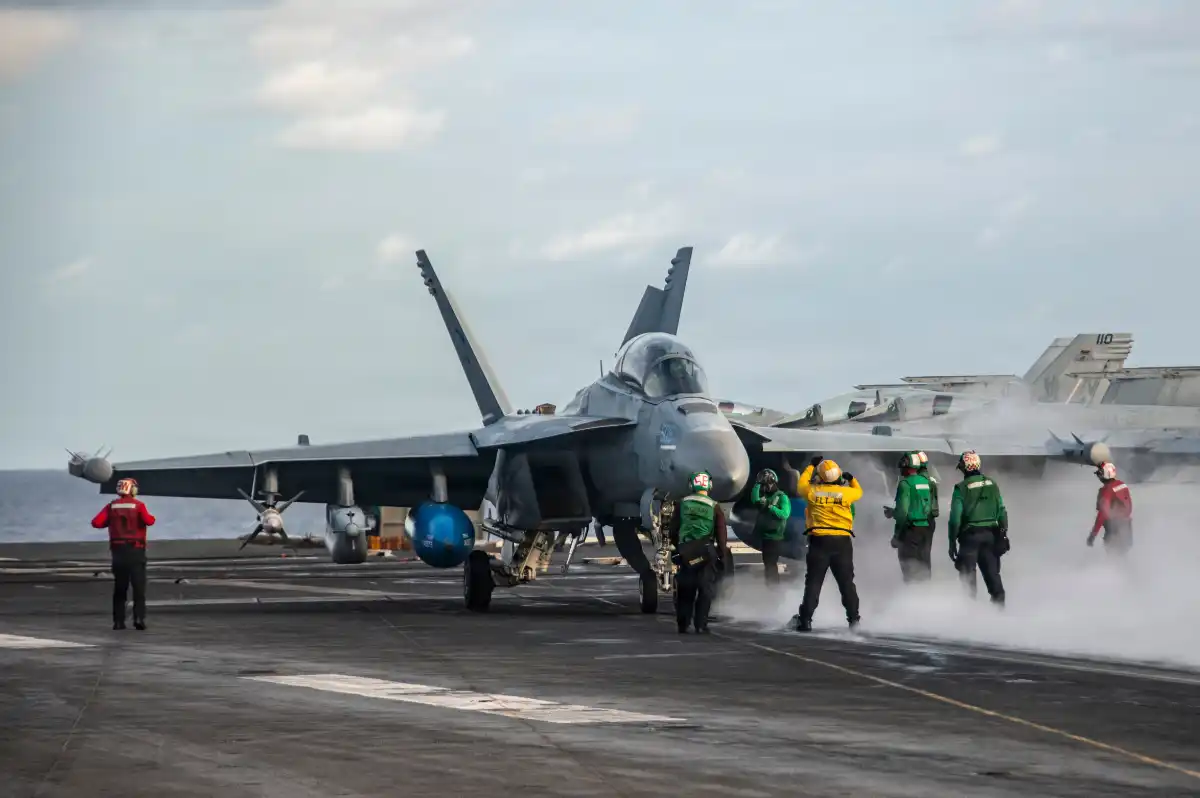
Recognizing this reality, the Navy introduced a retention initiative designed to reward pilots who commit to remaining in service. Rather than relying solely on patriotism or career progression, the service is directly addressing the financial gap separating military and civilian opportunities.
How The $280,000 Navy Pilot Bonus Actually Works
The headline figure of $280,000 understandably attracts attention, but the incentive is structured as a long-term commitment rather than a single upfront payment. Eligible Navy Reserve aviators can receive annual retention bonuses ranging between $15,000 and $40,000, depending on their aviation specialty and qualifications under the Fiscal Year 2026 Aviation Department Head Retention Bonus program.
Pilots qualifying for the maximum payment receive $40,000 annually for seven consecutive years. When those yearly payments are combined, the total reaches the program’s advertised maximum of $280,000. This structure encourages sustained service while allowing the Navy to retain critical personnel throughout multiple operational cycles instead of only securing short-term commitments.
Importantly, these bonuses supplement normal military compensation instead of replacing it. A Navy Lieutenant, for example, earns an average base salary of roughly $72,528 annually, before considering housing allowances, food allowances, healthcare, retirement benefits, and numerous additional military entitlements. Aviation bonuses therefore represent a substantial increase in total compensation for eligible officers.
Why Experienced Military Pilots Are So Valuable
Training a naval aviator is neither inexpensive nor quick. Every qualified pilot represents years of instruction involving advanced aircraft, instructors, maintenance personnel, fuel, simulation systems, and extensive operational resources. By the time an aviator reaches department-head level or accumulates significant operational experience, the Navy has invested an enormous amount of money and institutional knowledge into that individual.
Replacing such personnel with newly trained pilots is possible, but it cannot happen overnight. New aviators require continued mentorship before assuming leadership responsibilities within operational squadrons. Veteran pilots also serve as instructors, evaluators, and mission planners whose expertise directly influences squadron effectiveness. Their departure creates capability gaps that extend well beyond simple staffing numbers.
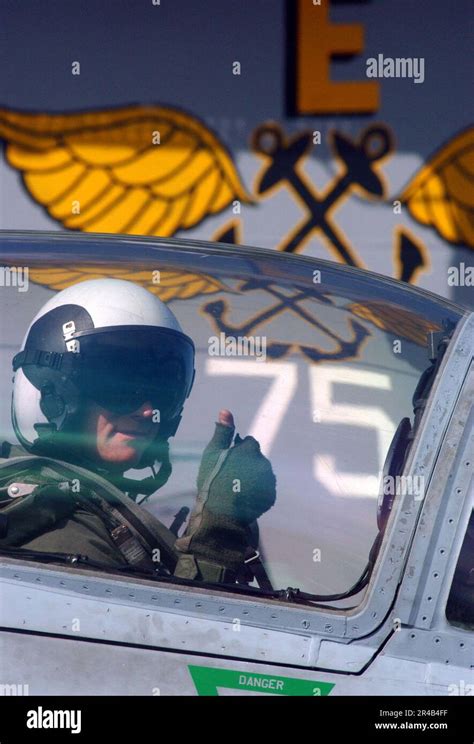
Lt. Cmdr. James Adams, spokesperson for Navy Personnel Command, summarized the program’s objective by emphasizing that encouraging critical pilots and naval flight officers to continue serving helps ensure the force remains proficient, lethal, and ready for future missions. His statement reflects the broader reality that operational readiness depends just as much on experienced people as it does on modern aircraft.
Commercial Airlines Continue Pulling Talent Away
One of the biggest challenges confronting military aviation is simple economics. Commercial airlines routinely offer compensation packages that can significantly exceed military earnings, particularly for experienced captains operating large passenger aircraft. Depending on aircraft type, seniority, employer, and accumulated flight experience, commercial pilots may earn anywhere between $85,000 and $450,000 annually.
While military service provides exceptional benefits, retirement programs, leadership opportunities, and the privilege of serving the nation, civilian aviation often offers greater schedule stability and substantially higher long-term earning potential. For reservists balancing military commitments with civilian careers, those financial incentives can become increasingly persuasive.
Rather than attempting to eliminate every advantage enjoyed by commercial employers, the Navy’s retention strategy narrows the financial gap enough to make continued service a far more attractive proposition. It is a pragmatic approach that acknowledges marketplace realities while preserving the operational expertise essential to national defense.
A Strategic Investment In Future Readiness
The Navy’s decision to offer bonuses reaching $280,000 demonstrates that retaining seasoned aviators is ultimately less expensive than continually replacing them. Every experienced pilot who remains in uniform preserves years of operational expertise, strengthens squadron leadership, and reduces the enormous costs associated with training a replacement from the ground up. As competition for aviation talent intensifies across both military and civilian sectors, generous retention incentives are becoming an increasingly important component of maintaining a capable, ready, and experienced naval air force.