Alaska Airlines is widely recognized as a West Coast-focused airline, with its strongest presence in cities such as Seattle, Portland, San Francisco, Los Angeles, and Anchorage. The carrier’s name may suggest a connection to the far north, but its modern network strategy is built around connecting the Pacific Northwest, California, and leisure destinations across North America. That is why one of its more unusual international flights attracts attention: a seasonal route from St. Louis Lambert International Airport to Puerto Vallarta, Mexico.
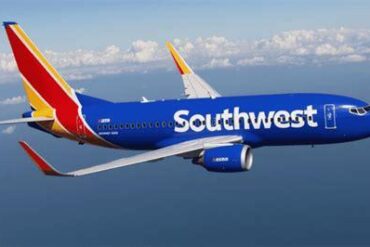
At first glance, the route appears surprising. St. Louis is located deep in the central United States, far from Alaska Airlines’ traditional markets. The airport is historically associated with Trans World Airlines, which once operated one of the largest networks in the world from the city. Today, however, St. Louis is primarily dominated by Southwest Airlines, while Alaska Airlines has only a small presence there.
The decision to operate an international route from St. Louis is not the result of Alaska Airlines suddenly attempting to become a major Midwest airline. Instead, it reflects a carefully designed seasonal network strategy that allows the carrier to use aircraft more efficiently during slower periods while capturing strong winter vacation demand. The Puerto Vallarta service demonstrates how airlines increasingly rely on partnerships, seasonal demand patterns, and flexible scheduling to create profitable routes outside their traditional hubs.
Alaska Airlines’ Unusual St. Louis International Expansion
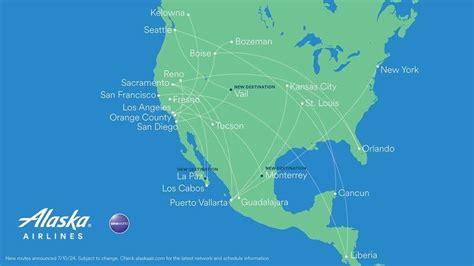
In January 2025, Alaska Airlines introduced several new seasonal routes as part of its winter network expansion. Many of these additions followed logical patterns, such as connecting smaller cities with Alaska’s established West Coast markets. However, some routes stood out because they connected cities where Alaska Airlines had little or no existing network presence.
Among these unusual additions was the new St. Louis to Puerto Vallarta route. The service connected passengers from Missouri directly to one of Mexico’s most popular Pacific coast vacation destinations. Alaska Airlines also introduced similar seasonal Mexico routes from cities including Kansas City, Sacramento, and New York JFK.
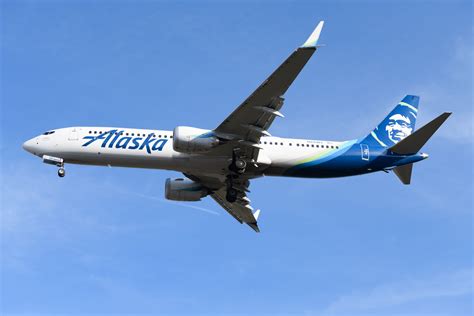
The St. Louis-Puerto Vallarta route operates only once per week, typically on Saturdays, using the Boeing 737 MAX 9. While a weekly international flight might seem unusual for a major US airline, the limited frequency is actually part of the strategy. Operating fewer flights reduces risk because the airline can match capacity with seasonal demand instead of committing large amounts of resources to a year-round operation.
The aircraft used on the route is among Alaska Airlines’ largest narrowbody aircraft. The Boeing 737 MAX 9 provides enough capacity for a leisure market while maintaining operational flexibility. Since the flight is seasonal and limited, Alaska Airlines can adjust its schedule depending on demand without creating a significant financial burden.
Why St. Louis Makes Sense for Alaska Airlines’ Mexico Flights
The key to understanding this route is recognizing that airline networks are not built only around geography. Modern airlines analyze profit opportunities, aircraft availability, seasonal demand, and partnerships when deciding where to fly.
Winter creates a major challenge for airlines with strong northern and western networks. Alaska Airlines’ core markets, particularly Alaska and the Pacific Northwest, experience lower travel demand during the colder months. Business travel often slows, and some leisure markets become less attractive. Instead of allowing aircraft to sit idle or operate less profitable flights, airlines search for destinations where demand increases during winter.
Mexico is one of those destinations.
American travelers often seek warm-weather escapes during the winter months, creating strong demand for destinations such as Cancun, Los Cabos, and Puerto Vallarta. Airlines can take advantage of this seasonal pattern by moving aircraft away from weaker winter markets and deploying them into vacation routes.
For Alaska Airlines, however, its West Coast hubs do not always provide enough demand compared with larger competitors such as American Airlines, Delta Air Lines, and United Airlines. Those airlines have larger international networks and stronger connections through major hubs.
Instead of directly competing with those carriers in every market, Alaska Airlines has chosen a different approach: targeting smaller cities with strong leisure demand.
The Role of Apple Vacations in Making the Route Work
One of the most important factors behind the St. Louis-Puerto Vallarta route is Alaska Airlines’ relationship with Apple Vacations.
Vacation package companies can provide airlines with guaranteed passenger demand by purchasing blocks of seats in advance. For a seasonal leisure route, this arrangement can significantly reduce financial risk because the airline does not need to depend entirely on individual passengers booking tickets.
On the St. Louis route, Apple Vacations reportedly reserves a large number of seats on each flight. That guaranteed demand helps provide a stable revenue base before Alaska Airlines even sells additional tickets directly to travelers.
The airline still offers seats through its own sales channels, but those individual bookings are essentially additional revenue on top of the guaranteed vacation package demand. This makes the route much safer than a typical international service launched without any external support.
This strategy is especially useful for smaller airlines. A carrier does not need to dominate a market to make money from it. Sometimes, a single weekly flight with strong advance bookings can generate better returns than adding extra frequency in a highly competitive market.
St. Louis Airport’s Competitive Landscape
Although Alaska Airlines’ presence in St. Louis remains limited, the airport itself has a diverse airline environment. The city is dominated by Southwest Airlines, which has historically maintained a large domestic network from Lambert International Airport.
According to transportation industry data, Southwest controls the majority of the St. Louis market, while American Airlines, Delta Air Lines, and United Airlines maintain smaller shares. Alaska Airlines is only a minor player in the region.
Southwest also competes with Alaska Airlines on leisure routes to Mexico. The airline already operates numerous flights connecting US cities with popular Latin American destinations, including Mexican vacation markets.
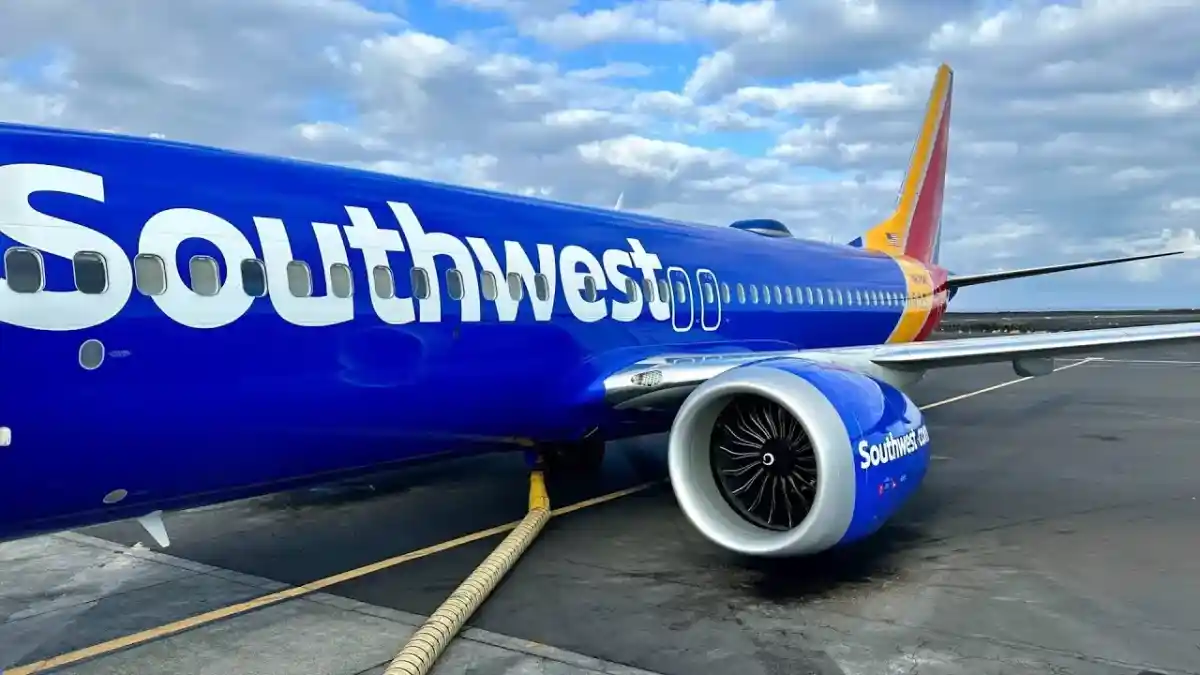
Other airlines also serve international leisure demand from St. Louis. Frontier Airlines operates flights to destinations including Cancun and Punta Cana, while American Airlines provides connections through its broader network. Meanwhile, St. Louis has maintained international connectivity through long-haul services such as Lufthansa’s Frankfurt route and upcoming British Airways service to London.
Despite being a smaller player, Alaska Airlines does not necessarily need a large presence in St. Louis. The Puerto Vallarta route serves a specific purpose: capturing profitable winter vacation demand rather than building a major Midwest operation.
Why Alaska Airlines Chooses Seasonal Routes Instead of Year-Round Service
Airlines constantly balance aircraft utilization and profitability. Every aircraft represents a significant investment, and carriers must determine where each plane can generate the highest return.
During peak travel periods, aircraft are usually assigned to the strongest markets. However, during slower seasons, airlines have more flexibility. Seasonal international routes allow carriers to create additional revenue opportunities without permanently changing their network structure.
For Alaska Airlines, routes from cities like St. Louis, Kansas City, Sacramento, Las Vegas, and San Jose provide access to travelers who may otherwise choose competitors for vacation trips.
These routes also strengthen Alaska Airlines’ reputation as a leisure-focused carrier. While its primary network remains concentrated in the western United States, seasonal Mexico flights allow the airline to reach new customers and increase brand awareness.
The strategy is particularly valuable because Alaska Airlines operates a smaller fleet compared with the largest US carriers. It cannot compete everywhere, so it focuses on markets where it can achieve strong returns with limited resources.
What Passengers Can Expect on Alaska Airlines’ Boeing 737 MAX 9
Passengers flying from St. Louis to Puerto Vallarta will experience Alaska Airlines’ standard Boeing 737 MAX 9 configuration. The aircraft is commonly used on the airline’s longer domestic routes and selected international services.
The 737 MAX 9 typically features 16 first class seats and 162 economy seats, providing space for both premium and leisure travelers. Alaska Airlines is known for offering generous first class seating compared with many competitors, with seat pitch reaching around 40 to 41 inches.
Unlike some major international carriers, Alaska Airlines does not provide seatback entertainment screens on most aircraft. Instead, passengers use personal devices to access streaming entertainment. Most of the fleet also offers Wi-Fi connectivity, with the airline moving toward expanded satellite-based connectivity.
The carrier’s reputation is built less around luxury features and more around friendly service, comfortable seating, and reliable operations. For a five-hour-class international leisure flight to Mexico, those qualities are often more important to travelers than extensive onboard technology.
Alaska Airlines’ St. Louis Route Shows How Modern Airlines Think
The Alaska Airlines flight from St. Louis to Puerto Vallarta may appear unusual, but it represents a broader trend in modern aviation. Airlines are becoming increasingly creative in finding profitable opportunities outside traditional hub-and-spoke models.
A route does not always need daily service, business travelers, or a large connecting network to succeed. A seasonal flight supported by strong vacation demand and strategic partnerships can be financially attractive.
For Alaska Airlines, St. Louis is not the beginning of a major Midwest expansion. Instead, it is an example of how the airline uses its fleet during slower periods to capture demand where competitors may not have the same advantage.
The Puerto Vallarta service highlights an important reality of airline strategy: sometimes the most surprising routes are not random experiments. They are carefully calculated decisions designed to turn seasonal demand into profitable operations.