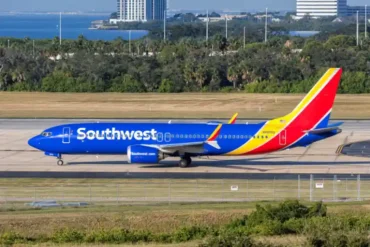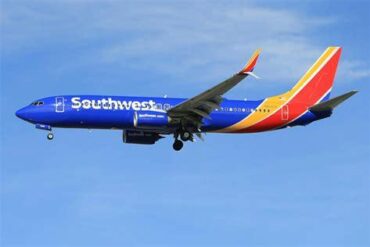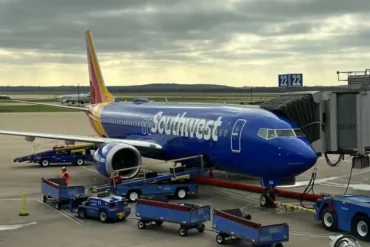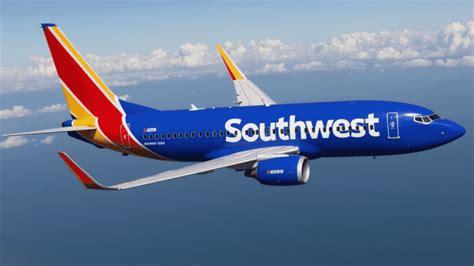
Southwest Airlines is making another significant adjustment to its domestic network, eliminating seven nonstop routes from St. Louis Lambert International Airport (STL) during the third quarter of 2026. While the airline insists it remains committed to the Gateway City, the latest schedule changes highlight a broader transformation of Southwest’s network strategy, with greater emphasis on larger focus cities and more efficient aircraft deployment.
The cuts affect several short-haul Midwestern destinations alongside two California routes, marking one of the most notable schedule reductions at St. Louis in recent years.
Southwest Airlines Removes Seven Routes From St. Louis
According to airline schedule data for the third quarter of 2026, Southwest Airlines will discontinue nonstop service from St. Louis to the following destinations:
- Des Moines
- Little Rock
- Tulsa
- Wichita
- Oklahoma City
- Long Beach
- San Jose
Five of the discontinued routes primarily served nearby regional markets, while Long Beach and San Jose represented Southwest’s reduced presence on selected California services.
Although these routes disappear from the schedule, they represent only a relatively small portion of Southwest’s overall operation at St. Louis.
After years of operating an extensive point-to-point network, Southwest is increasingly concentrating aircraft in strategically important hubs where connections can be optimized and aircraft utilization improved.
Why Southwest Is Cutting These Flights
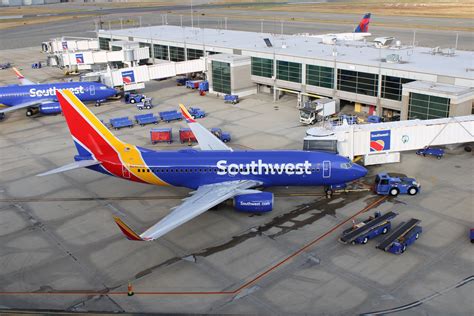
The route eliminations are closely tied to Southwest Airlines’ ongoing network restructuring.
Rather than spreading aircraft across numerous lower-demand city pairs, the airline is placing additional emphasis on major operational centers such as Nashville International Airport (BNA). The strategy reflects a gradual shift away from the traditional point-to-point model that made Southwest famous for decades.
Most of the affected St. Louis routes operated with similar frequencies during the previous third quarter. Des Moines, Little Rock, Tulsa and Wichita each recorded approximately 107 departures, while Oklahoma City operated 108 flights. The California services were already less frequent, with 34 departures to Long Beach and just five flights to San Jose.
By eliminating lower-performing routes, Southwest can redeploy aircraft toward markets where demand, connectivity and profitability are stronger.
St. Louis Remains One of Southwest’s Largest Bases
Despite losing seven destinations, St. Louis continues to rank among Southwest Airlines’ busiest stations.
The airline is scheduled to operate 9,945 departures from STL during the third quarter of 2026, providing more than 1.6 million one-way seats across its network.
Domestic flights overwhelmingly dominate Southwest’s schedule at St. Louis, accounting for nearly 99% of all departures.
The airport’s busiest Southwest destinations this quarter include:
- Denver – 610 departures
- Orlando – 545 departures
- Dallas Love Field – 512 departures
- Chicago Midway – 458 departures
- Las Vegas – 433 departures
These high-frequency markets continue to form the backbone of Southwest’s operation in Missouri, supporting both local travelers and connecting passengers.
International Service Continues With Limited Destinations
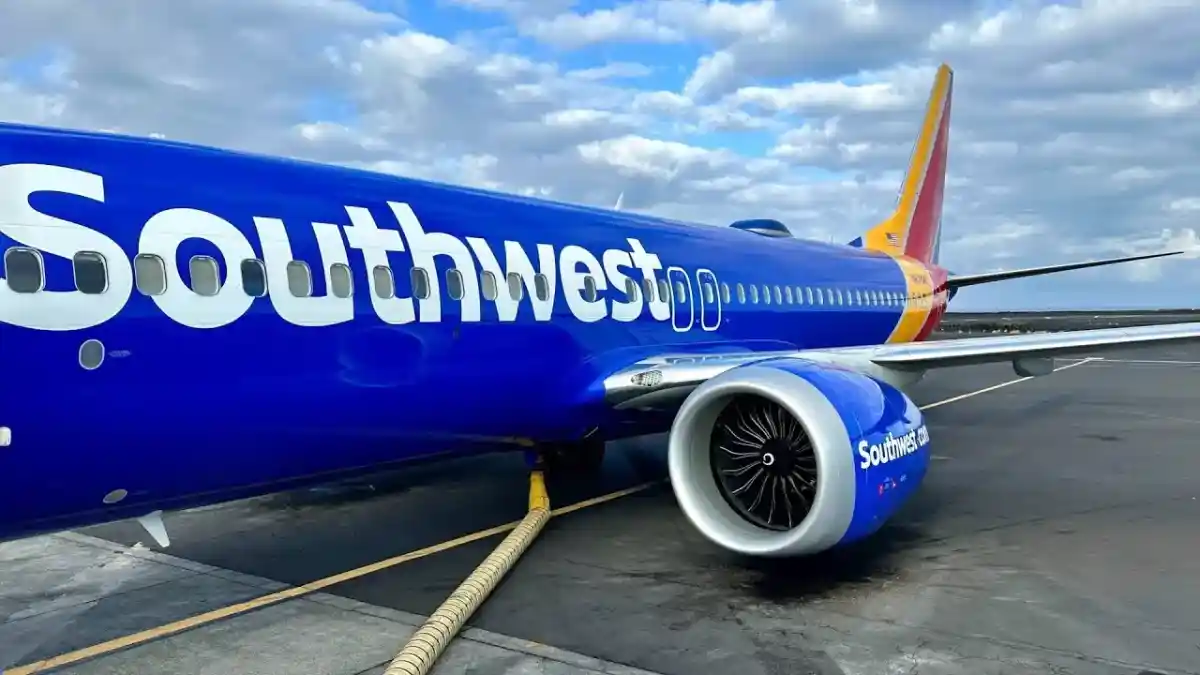
International flying remains only a small component of Southwest’s St. Louis operation.
Just 126 international departures are scheduled during the third quarter, with Cancún accounting for the overwhelming majority of those flights.
Additional international services include limited operations to Montego Bay, Punta Cana, and San José del Cabo, reflecting Southwest’s continued focus on popular leisure destinations rather than extensive overseas expansion from St. Louis.
While international connectivity remains modest, these routes continue serving vacation travelers seeking nonstop access to beach destinations throughout Mexico and the Caribbean.
Southwest’s St. Louis Operation Has Experienced Major Swings
Southwest Airlines has maintained a significant presence at St. Louis for decades, although the scale of operations has fluctuated considerably.
Historical schedule data shows that the airline operated more than 20,000 departures from STL in 2004 before steadily expanding throughout the late 2000s. Flight numbers exceeded 30,000 annual departures by 2012 before climbing above 40,000 flights for the first time in 2019.
The COVID-19 pandemic temporarily disrupted that growth, reducing annual departures substantially before a strong recovery followed. Operations reached another peak in 2025 with more than 41,500 scheduled departures, making it one of Southwest’s busiest years ever at St. Louis.
Although the airline expects approximately 38,600 departures during 2026—slightly below last year’s record—it still maintains one of the largest operations at Lambert International Airport.
Network Strategy Is Taking Priority
The elimination of seven routes does not signal Southwest’s withdrawal from St. Louis. Instead, it illustrates how the airline is reshaping its network around stronger demand patterns, improved aircraft utilization and larger strategic focus cities.
For travelers affected by the discontinued routes, alternative itineraries may now require connections through major Southwest gateways. However, the carrier continues to offer an extensive schedule from St. Louis, preserving its position as one of the airline’s most important operating bases while adapting to a rapidly evolving competitive landscape.