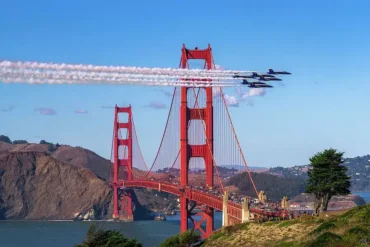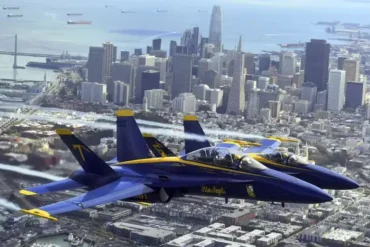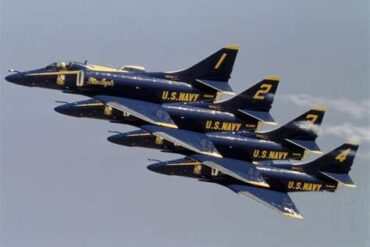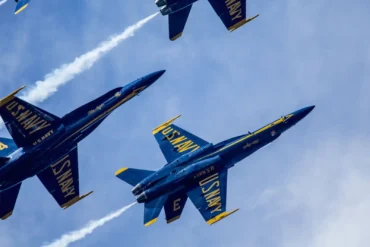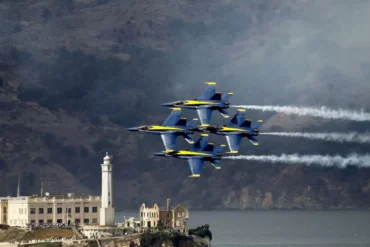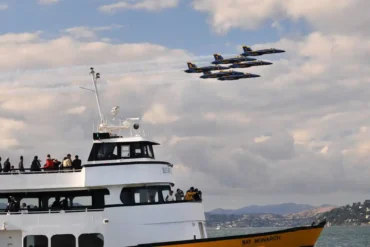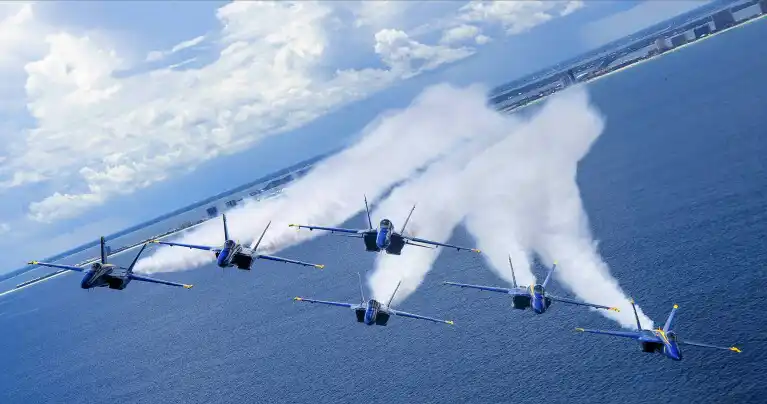
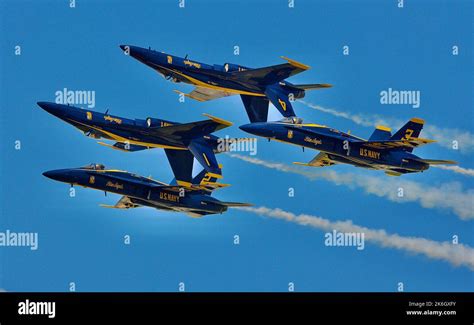
The Blue Angels, the United States Navy’s elite flight demonstration squadron, are renowned for their precise aerobatic performances and breathtaking maneuvers. Observers at airshows often notice a seventh aircraft trailing behind or flying separately from the main formation. This plane, although not part of the primary display, serves several crucial roles that ensure the smooth execution of every performance.
The Role of the Seventh Jet in Blue Angels Demonstrations
Backup Aircraft for Uninterrupted Performances
One of the most critical responsibilities of the seventh jet is to function as a backup aircraft. The Blue Angels’ performances require six jets in formation, but mechanical failures, maintenance issues, or pilot health concerns could sideline one of the primary aircraft. Having a readily available backup jet ensures that the team can still perform without interruption. This redundancy is vital, as airshow schedules are tightly planned, and any last-minute cancellations could disappoint thousands of spectators.
The Voice of the Blue Angels: Show Announcer
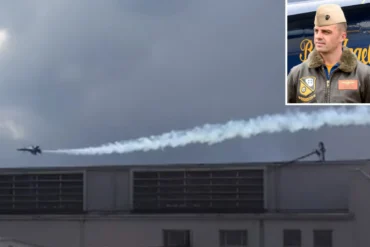
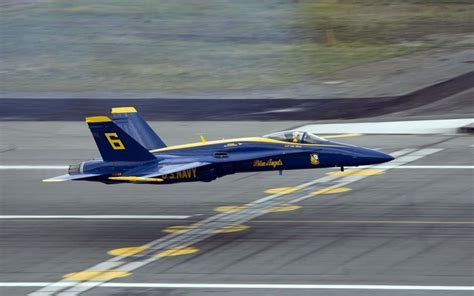
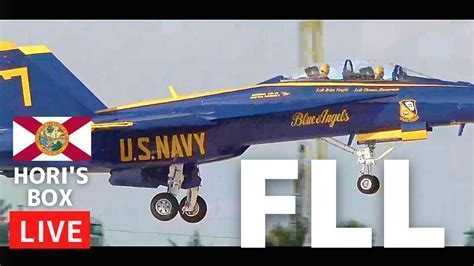
Another significant role of the seventh jet’s pilot is to act as the airshow announcer. Unlike the demonstration pilots who remain in the cockpit for the duration of the performance, the #7 pilot stays on the ground and provides live commentary, offering audiences an in-depth explanation of each maneuver. This role is essential in engaging the crowd, explaining the complexity of formations, and building excitement throughout the performance.
The announcer is typically a pilot in their first year with the Blue Angels, learning the intricacies of the team’s operations before advancing into a demonstration position in subsequent seasons. Their deep understanding of aviation and the precise nature of the Blue Angels’ maneuvers allows them to narrate with authority, enhancing the spectator experience.
Community Engagement and Media Liaison
Flying Influencers and VIPs
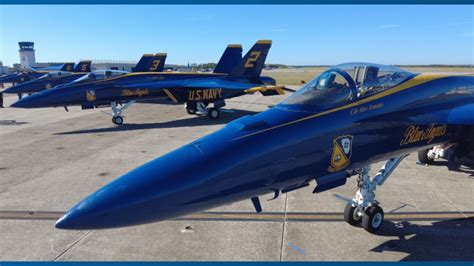
Beyond its operational duties, the seventh jet plays a crucial role in public relations and outreach. The Blue Angels frequently invite media personnel, community leaders, and “Key Influencers” to fly in Jet #7. These individuals help spread awareness about the Blue Angels, naval aviation, and military service in general.
A flight with the Blue Angels is an unforgettable experience, often described as both exhilarating and humbling. By offering select individuals the opportunity to fly at speeds exceeding 700 mph and experience high-G maneuvers, the team fosters a greater appreciation for naval aviation and the dedication required to execute such precision flying.
Aerial Photography: Capturing the Spectacle
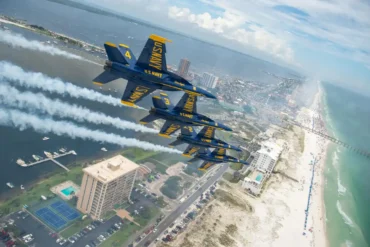
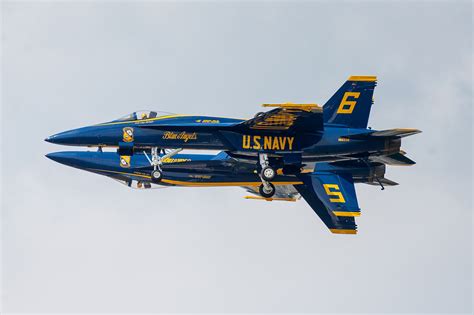
Another essential role of Jet #7 is to serve as a platform for aerial photography. The Blue Angels’ performances are visually stunning, and capturing these moments from the air provides unique perspectives that ground-based cameras cannot achieve. The seventh jet frequently carries professional photographers and videographers, who document the team’s formations and stunts from above.
These images are not only used for promotional materials and recruitment efforts but also for post-flight analysis. Reviewing aerial footage helps pilots refine their techniques and identify areas for improvement, ensuring continuous excellence in their performances.
Enhancing Flight Safety and Coordination
Safety Spotter for Precision Maneuvers
Perhaps the most mission-critical function of the seventh jet is acting as a safety spotter. The Blue Angels execute maneuvers with razor-thin margins—often flying within 18 inches of each other at speeds exceeding 400 mph. Even the smallest miscalculation can have catastrophic consequences.
Jet #7 provides an extra set of eyes, monitoring formations and movements from a different vantage point. This external perspective helps ensure that all pilots maintain their precise positioning, and it allows for immediate identification of potential safety concerns.
Coordination with Ground and Air Crews
The pilot of Jet #7 plays a crucial role in coordinating between the Blue Angels’ ground crew, event organizers, and air traffic control. Large-scale airshows require seamless logistics to manage aircraft arrivals, departures, and performance sequences. The seventh jet’s pilot often assists in pre-show briefings and ensures that all operational aspects run smoothly.
The Evolution of Jet #7’s Role in the Blue Angels
The tradition of having a seventh jet within the Blue Angels formation has existed for decades, evolving alongside advancements in aviation technology and operational tactics. Initially, the additional aircraft served primarily as a spare, but over time, its responsibilities expanded to include public relations, safety oversight, and media engagement.
With modern digital communication tools, the Blue Angels’ outreach efforts have grown significantly, and the seventh jet now plays an even more vital role in spreading awareness about naval aviation. By integrating aerial photography, influencer participation, and live show commentary, Jet #7 serves as a bridge between the elite squadron and the general public.
Frequently Asked Questions
Why doesn’t Jet #7 fly in the main Blue Angels formation?
Jet #7 serves multiple roles beyond the demonstration itself, including safety monitoring, media flights, and acting as a backup aircraft. Its presence ensures that performances remain uninterrupted and enhances public engagement.
Who gets to fly in Jet #7?
Jet #7 often carries members of the media, celebrities, community leaders, and military personnel to promote awareness of naval aviation. These flights help generate excitement and provide firsthand experiences that can be shared with the public.
Is the Jet #7 pilot a full-time member of the Blue Angels?
Yes, the pilot of Jet #7 is an official Blue Angels member, typically in their first year with the squadron. They later transition into flying one of the main demonstration jets in subsequent seasons.
The seventh jet is far more than just an extra aircraft—it is an indispensable component of the Blue Angels’ success, ensuring safety, continuity, and public engagement at every airshow.