For decades, airlines focused on a relatively simple formula: pack as many passengers as possible into economy while reserving premium cabins for the wealthiest travelers and corporate executives. That equation has changed dramatically. Today, premium economy has become one of the airline industry’s fastest-growing products, particularly on long-haul and ultra-long-haul routes where passenger comfort increasingly influences purchasing decisions.
Rather than viewing air travel as a once-in-a-lifetime luxury, modern travelers see flying as a routine part of work, leisure, and global connectivity. Yet spending eight, twelve, or even eighteen hours in a standard economy seat has become increasingly difficult to justify for passengers willing to spend slightly more without paying business-class prices. This changing mindset has transformed premium economy from a niche cabin introduced during the 1990s into one of the industry’s most profitable seating categories.
The remarkable growth of premium economy reflects changing traveler expectations, evolving airline economics, taxation strategies, and even aircraft design. On ultra-long-haul flights especially, where comfort directly affects passenger wellbeing, premium economy has become the sweet spot between affordability and luxury.
Premium Economy Has Become The Airline Industry’s Fastest Growing Cabin
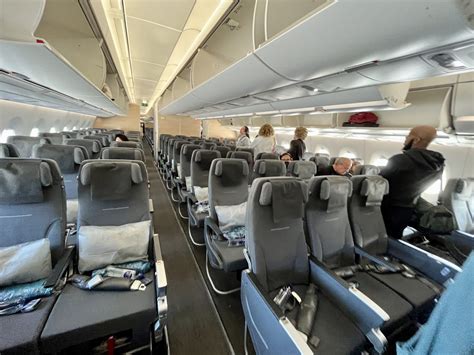
One of the strongest indicators of premium economy’s success is the pace at which airlines continue expanding the cabin. Across North Atlantic markets, premium economy capacity has consistently grown faster than both economy and business class, reflecting sustained demand from multiple passenger segments.
Unlike traditional assumptions that premium seating mainly attracts wealthy travelers, today’s buyers represent a far broader demographic. Leisure travelers increasingly save for additional comfort on vacation flights lasting ten hours or more, while many corporate travel departments now restrict business-class spending, encouraging employees to book premium economy instead. This creates demand from both ends of the market simultaneously.
Airlines have responded by redesigning cabin layouts to include significantly more premium economy seating. Every additional row represents an opportunity to capture passengers willing to pay substantially more than economy without requiring the expensive space allocation demanded by lie-flat business suites.
For airlines operating increasingly competitive international routes, premium economy has become one of the highest-return investments available during fleet refurbishments.
Why Travelers No Longer See Business Class As The Only Upgrade Worth Buying
The aviation market has undergone an extraordinary cultural transformation over the last half century. Flying was once reserved primarily for affluent travelers, government officials, and corporate executives. Airport terminals resembled luxury hotels, passengers dressed formally, and premium cabins dominated airline marketing.
Today’s reality is entirely different. Air travel has become a standard mode of transportation for millions of people every day. Booking flights takes minutes online rather than lengthy discussions with travel agents, and travelers compare prices with unprecedented transparency.
As flying became more accessible, passenger priorities shifted. Instead of aspiring to the most luxurious ticket available, many travelers simply seek the best balance between comfort and value. Premium economy perfectly addresses that demand by offering noticeably more personal space without the steep price increase associated with business class.
This evolution mirrors the earlier rise of business class itself. Decades ago, business cabins were introduced to bridge the enormous gap between first class and economy. Today, premium economy performs exactly the same function between economy and business.
The Economics Behind Premium Economy Make Sense For Airlines
Airlines evaluate every seat based on revenue potential per square foot of cabin space. Business-class suites command high fares but occupy enormous amounts of floor area, while economy maximizes passenger numbers but often generates thin profit margins.
Premium economy strikes an exceptionally attractive balance.
Although these seats require more space than standard economy, they occupy only a fraction of the footprint needed for lie-flat business suites. At the same time, airlines can often charge several hundred dollars—or significantly more on ultra-long-haul routes—for each upgraded seat.
The result is improved revenue generation without sacrificing excessive cabin capacity.
Fleet modernization projects increasingly reflect this strategy. Airlines introducing new widebody aircraft frequently allocate dozens of premium economy seats while reducing traditional first-class cabins or limiting business-class expansion.
The cabin has become one of the most profitable ways to optimize aircraft interiors without fundamentally changing operational costs.
The Quiet Decline Of International First Class
The rapid expansion of premium economy coincides with another significant trend: the gradual disappearance of international first class.
Many major airlines have concluded that maintaining dedicated first-class cabins no longer delivers sufficient financial returns. Carriers including Air New Zealand, Malaysia Airlines, South African Airways, Turkish Airlines, LATAM, and Asiana Airlines have either eliminated first class entirely or restricted it to only a handful of aircraft.
Even among airlines that retain first class, availability has become increasingly limited. Qantas, for example, offers first-class suites only on its Airbus A380 fleet, while numerous carriers instead focus investment on increasingly sophisticated business-class products.
Meanwhile, American Airlines continues phasing out its remaining Flagship First service, illustrating how even historically premium-focused airlines now prioritize business and premium economy.
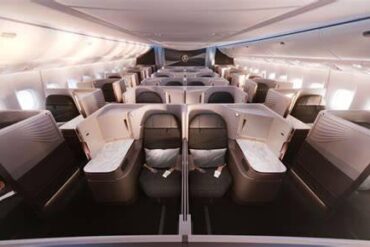
Business class itself has improved dramatically over the past two decades. Modern lie-flat seats, privacy doors, direct aisle access, premium dining, and luxury bedding mean today’s business cabins frequently provide experiences once reserved for first class.
As business class moved upward, premium economy naturally filled the expanding gap beneath it.
The Comfort Difference Matters More On Ultra-Long-Haul Flights
The longer a flight becomes, the greater the value passengers place on additional space.
Typical economy seating offers approximately 30 to 33 inches of seat pitch, seat widths around 17 to 18 inches, and relatively limited recline. Those dimensions remain manageable during short domestic flights but become considerably more challenging during journeys exceeding twelve hours.
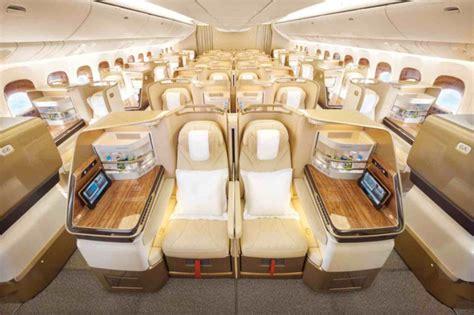
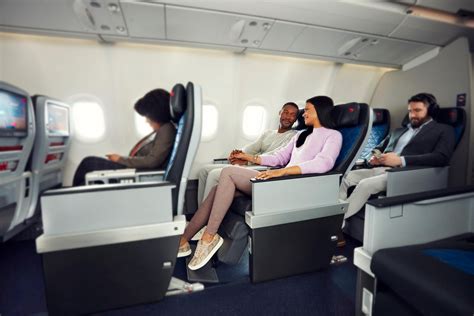
Premium economy generally increases seat pitch to around 36 to 38 inches while also providing wider seats, significantly deeper recline, larger entertainment screens, upgraded dining, improved amenities, and more generous baggage allowances.
Although these improvements may appear modest individually, together they produce a noticeably more comfortable experience over fifteen to eighteen hours in the air.
Passengers frequently discover that the additional personal space improves sleep quality, reduces fatigue, and makes arriving after ultra-long-haul flights considerably less exhausting.
Business class remains unmatched for absolute comfort, but many travelers conclude that premium economy delivers the greatest value relative to its additional cost.
Changing Passenger Behavior Is Driving The Shift
Another major factor behind premium economy’s expansion is changing travel frequency.
Modern travelers fly far more often than previous generations. International vacations have become increasingly common, remote work has enabled longer overseas stays, and multinational companies routinely require employees to travel globally.
Because flying has become routine rather than exceptional, passengers evaluate airfare much like any other purchase. They compare features, calculate value, and select the product offering the most practical benefits.
Many travelers who once might have splurged on business class now reserve those purchases only for particularly long trips. Instead, premium economy becomes the preferred choice for most international journeys.
This behavioral shift has fundamentally reshaped airline cabin planning.
Why Taxes Also Encourage Airlines To Expand Premium Economy
Beyond passenger demand, government taxation policies have unexpectedly encouraged premium economy growth.
Some countries impose substantially higher passenger duties on business-class tickets than on premium economy. These rules create interesting incentives for airlines when designing cabins and even marketing products.
Executives at Norse Atlantic have openly acknowledged this reality. The airline’s leadership argued that its premium cabin resembles business class in many respects but continues using the premium economy designation because certain airports impose significantly higher taxes on officially classified business-class seats.
The United Kingdom’s Air Passenger Duty illustrates the financial implications. Premium cabins on ultra-long-haul flights attract significantly higher taxes than standard economy, yet classifications based on seat pitch and cabin designation can materially affect operating costs.
Consequently, airlines carefully evaluate both cabin design and regulatory definitions when determining how premium products should be marketed.
Singapore Airlines Demonstrates How Premium Demand Can Redefine Aircraft Layouts
Perhaps no airline better illustrates premium economy’s strategic importance than Singapore Airlines.
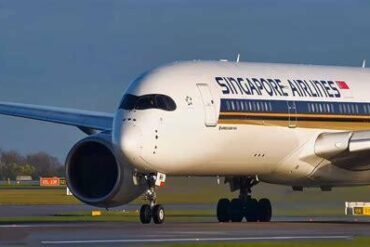
Its Airbus A350-900ULR fleet operates the world’s longest nonstop passenger flights between Singapore and both New York JFK and Newark. These missions exceed eighteen hours and target passengers placing exceptional value on minimizing travel time.
Rather than maximizing seating capacity, Singapore Airlines configured these specialized aircraft with only 161 seats consisting entirely of business class and premium economy.
The absence of standard economy is remarkable. A conventional Airbus A350 can accommodate well over 300 passengers depending on configuration, yet these ultra-long-range aircraft intentionally sacrifice capacity in exchange for greater passenger comfort and higher revenue per traveler.
This strategy demonstrates that certain routes generate stronger financial performance by serving premium demand rather than maximizing passenger numbers.
Airlines Around The World Continue Expanding Premium Economy Fleets
The momentum behind premium economy extends across nearly every major international airline.
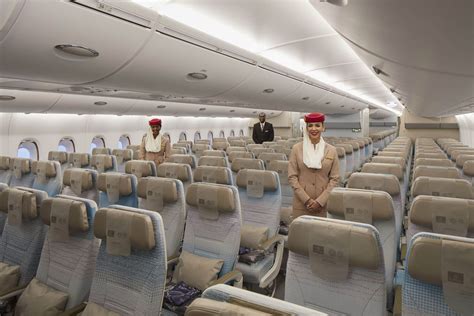
Emirates, despite entering the market later than many competitors, has invested billions of dollars refurbishing Airbus A380 and Boeing 777 fleets with newly designed premium economy cabins. Its newest Airbus A350 aircraft also include premium economy while omitting first class entirely.
Lufthansa similarly continues introducing premium economy on new Boeing 787 Dreamliners as part of broader fleet modernization initiatives. Even when business-class certification delays created unexpected operational challenges, premium economy remained central to the airline’s long-term cabin strategy.
Major U.S. carriers—including American Airlines, Delta Air Lines, and United Airlines—have likewise expanded premium economy across widebody fleets serving Europe, Asia, South America, and the Pacific.
Collectively, these investments signal that premium economy is no longer an experimental product. It has become a permanent component of modern airline economics.
Ultra-Long-Haul Flying Makes Premium Economy Increasingly Attractive
Ultra-long-haul aviation continues pushing the limits of nonstop travel. Routes connecting cities separated by sixteen to nineteen hours reduce total journey times but dramatically increase the importance of onboard comfort.
Passengers who previously accepted standard economy on shorter international flights often reconsider their choices when facing nearly an entire day inside an aircraft cabin.
For many travelers, the price difference between economy and premium economy represents a worthwhile investment in physical wellbeing, productivity upon arrival, and overall travel satisfaction.
Airlines recognize this psychology and increasingly position premium economy as the ideal solution for marathon flights, offering meaningful upgrades without approaching business-class pricing.
Premium Economy Has Become The Industry’s New Sweet Spot
Premium economy’s remarkable expansion reflects far more than changing seat layouts. It represents a broader transformation in how airlines understand consumer behavior, optimize aircraft revenue, and compete across international markets.
The decline of first class, continuous improvement of business cabins, rising passenger expectations, evolving taxation policies, and increasing travel frequency have all converged to create ideal conditions for premium economy’s success.
On ultra-long-haul flights especially, passengers increasingly seek practical luxury rather than extravagant indulgence. Additional space, improved meals, greater recline, priority services, and enhanced comfort provide tangible benefits without requiring the financial commitment of business class.
As airlines continue introducing new aircraft and redesigning existing fleets, premium economy is positioned to remain one of commercial aviation’s defining success stories. Rather than serving as merely an upgraded economy seat, it has matured into a strategically essential cabin that aligns remarkably well with the needs of modern travelers and the financial objectives of airlines alike.