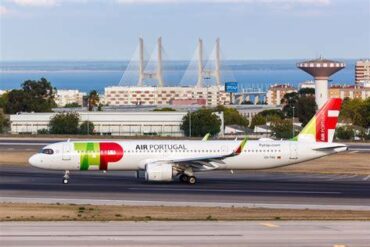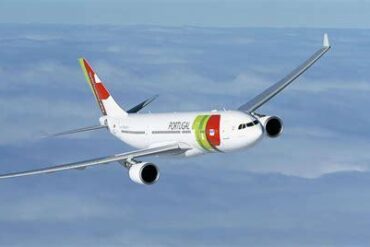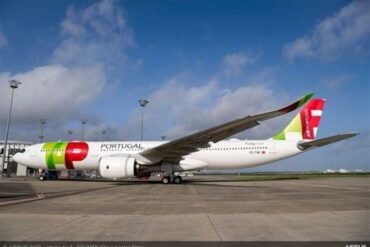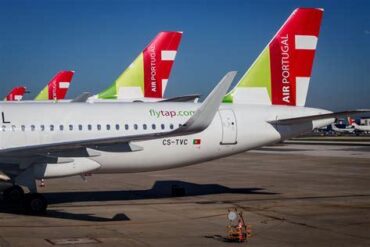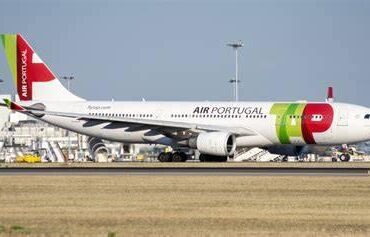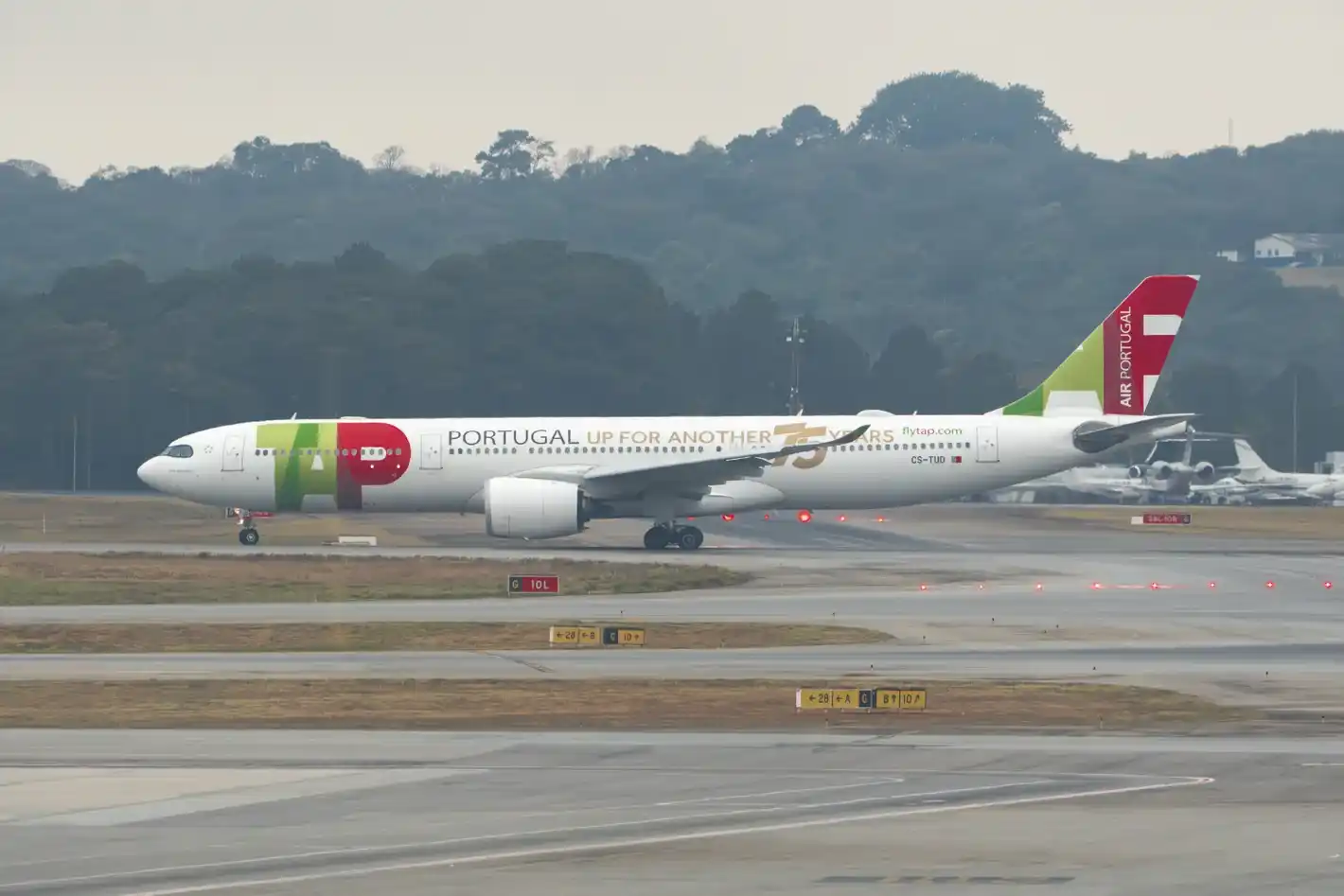
TAP Air Portugal is preparing a bold cabin strategy shift, introducing a premium economy product across its long-haul fleet from the summer of 2026. The move carries a twist: the carrier will offer the perks and service level associated with premium economy without installing a new hard-product cabin. Instead, TAP will rebrand and enhance the front rows of economy on its Airbus A330 and Airbus A321LR aircraft, creating a hybrid space that blends economic efficiency with elevated comfort.
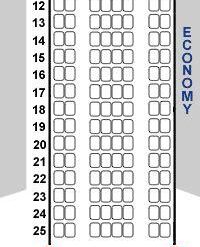
This new cabin tier centers on a simple yet unusual configuration. The first two rows on the A330 and first three rows on the A321LR will be designated as premium economy, each seat paired with a blocked adjacent seat to create extra personal space and a quieter environment. While the physical seats remain identical to standard economy, the added shoulder room and enforced empty seat shift the overall feel well beyond standard cabin offerings.
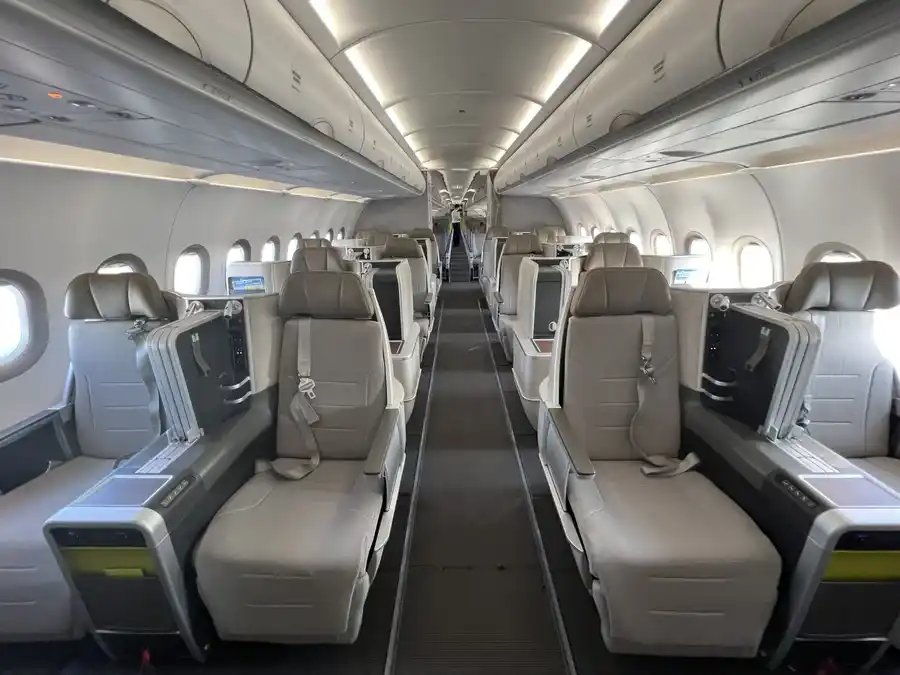
TAP positions this upgrade not as a substitute for a full premium economy seat—traditionally a wider, dedicated recliner-style product—but as a streamlined, quickly implementable alternative tailored to market demand and fleet realities. With global supply chain constraints slowing cabin retrofits across the industry, the airline can roll out this product nearly overnight without grounding aircraft for extensive reconfiguration work.
A Soft-Product Upgrade Aimed at Matching Full Premium Economy Standards
Where TAP truly leans into premium expectations is in its service design. The airline plans to deliver a soft product that mirrors what travelers receive in conventional premium economy cabins. This includes priority airport services—dedicated check-in desks, fast-track security, expedited boarding, and prioritized baggage handling—elements that materially improve the ground experience before passengers even enter the aircraft.
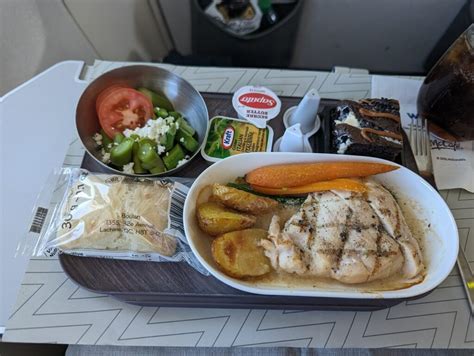
Onboard, the cabin will include an upgraded dining program featuring two hot entrée choices, meal pre-selection up to 24 hours before departure, and an enhanced presentation style intended to raise the meal experience beyond standard economy service. Amenity kits, premium pillows, and improved headphones round out the in-flight offering, forming a complete premium-economy-style package even without new seat hardware.
The booking experience also sees meaningful improvements. Passengers will earn bonus miles and enjoy more flexible ticket rules, including relaxed rebooking and refund terms. These benefits align TAP’s product with global premium economy standards, even while the seat itself diverges from the norm.
A Pricing-Efficient Path to More Choice—With Potential for Misaligned Expectations
This approach offers significant advantages for TAP, chiefly expanded cabin segmentation with minimal investment. By avoiding costly and time-consuming cabin reconfigurations, the airline sidesteps the long waits and certification delays currently affecting widebody seating supply chains. For travelers, the result is more choice—an increasingly valuable commodity as traditional economy cabins grow tighter and business class becomes more exclusive.
Yet challenges are inevitable. Travelers unfamiliar with the fine print of TAP’s offering might expect a traditional premium seat similar to those on competitors across Europe, Asia, and North America. The lack of a distinct hard product means managing expectations becomes central to customer satisfaction. Clear marketing and transparent cabin descriptions will be essential to prevent surprise or disappointment among passengers expecting a full-featured recliner-style layout.
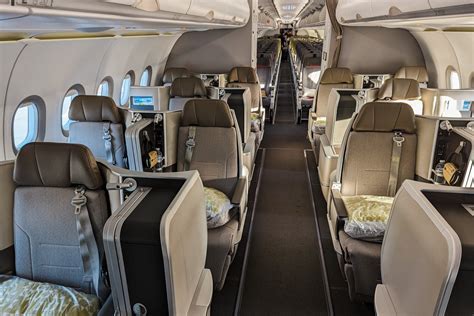
In practical terms, TAP’s strategy mirrors a small but growing subset of airlines that carve premium products out of enhanced economy sections. While not common, this model demonstrates how carriers can expand revenue options fast while still delivering a meaningfully improved passenger experience.
A Strategic, Efficient, and Unconventional Rollout for 2026
As TAP prepares for the 2026 debut of this new cabin layer, the airline leans into a pragmatic balance of improved service, operational simplicity, and market flexibility. It is an unusual approach within the global premium economy landscape, yet a strategically logical one for a carrier looking to boost its long-haul competitiveness without embarking on a costly and prolonged retrofit program.
The combination of priority airport handling, elevated dining, curated amenities, and guaranteed extra space ensures that travelers receive a substantially enhanced experience over standard economy. The result is a premium economy product that may look unconventional but functions, in many practical ways, just like the traditional versions deployed by global competitors.
TAP’s long-haul passengers will soon have a new middle-ground option—one that blends efficiency with comfort and reflects the evolving economics of cabin design across the airline industry.