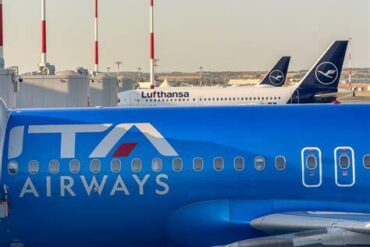
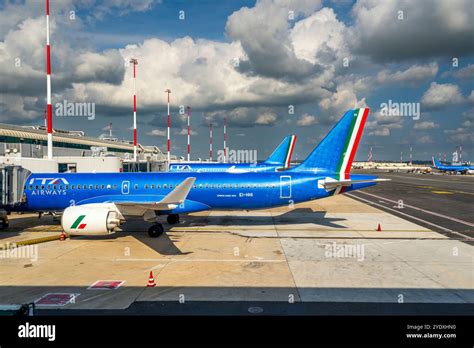
The Lufthansa Group has taken another decisive step in reshaping Europe’s airline landscape, confirming plans to raise its stake in ITA Airways from 41% to 90% in a transaction worth €325 million. The move strengthens Lufthansa’s control over Italy’s national carrier and accelerates its strategy of building a continent-wide aviation powerhouse built around multiple hub airlines.
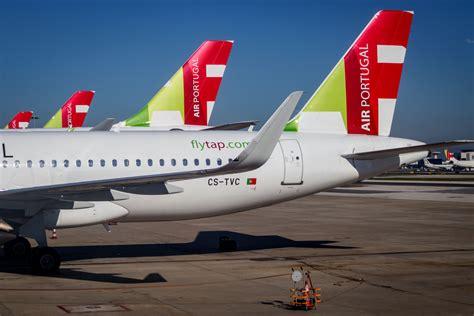
Yet while the deal appears strategically logical on the surface, it may create a far more complicated problem elsewhere in Europe. Lufthansa is simultaneously pursuing a stake in TAP Air Portugal, one of the last major independent network airlines remaining on the continent. By deepening its grip on ITA, Lufthansa may have unintentionally weakened its political and regulatory position in Lisbon at the exact moment competition for TAP is intensifying.
The stakes extend well beyond two airlines. Europe’s aviation industry is rapidly consolidating into three dominant blocs — Lufthansa Group, Air France-KLM, and IAG — and TAP Air Portugal has become one of the final strategic prizes capable of shifting the balance of power across transatlantic and southern European markets.
Lufthansa’s latest move therefore carries implications far beyond Rome.
Lufthansa Accelerates ITA Airways Integration Into Its European Empire
Lufthansa’s decision to raise its ownership stake to 90% marks a major turning point in the evolution of ITA Airways. The Italian airline, created after the collapse of Alitalia, has spent years searching for stability, profitability, and long-term strategic direction. Lufthansa now intends to make ITA a central pillar of its expanding multi-brand network strategy.
The transaction is expected to close in the first quarter of 2027, subject to regulatory approvals from both European and US authorities. Once completed, Lufthansa will hold overwhelming control over the carrier while the Italian state temporarily retains a minority shareholding.
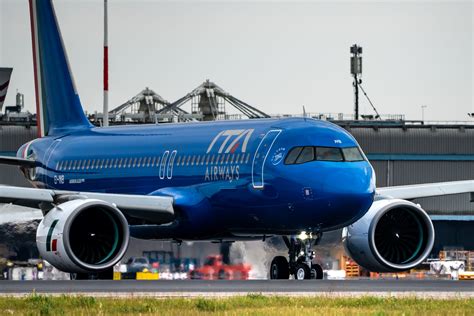
The speed of ITA’s integration into the Lufthansa ecosystem has already surprised many aviation analysts. Within a relatively short period, the airline has transitioned into Lufthansa’s operational structure with remarkable efficiency. ITA joined the Miles & More loyalty program, aligned airport operations at Frankfurt and Munich, and formally entered Star Alliance earlier this year.
Lufthansa CEO Carsten Spohr described the process as the fastest airline integration in the group’s history, underlining how strategically important Italy has become to Lufthansa’s long-term planning.
Rome Fiumicino Airport is at the center of this strategy. Historically, Lufthansa’s strongest hubs have been concentrated in Central Europe, including Frankfurt, Munich, Zurich, Vienna, and Brussels. Those airports provide exceptional connectivity across Europe and North America, but Lufthansa lacked a dominant southern European gateway capable of competing more aggressively for Mediterranean, African, and South American traffic flows.
Rome changes that equation dramatically.
The Italian capital offers Lufthansa geographic advantages that complement its existing network structure. Flights from Rome are better positioned for shorter routings into North Africa and the Middle East, while also creating stronger connectivity opportunities into Latin America. As global aviation increasingly revolves around long-haul premium traffic and hub connectivity rather than local origin demand alone, Rome gives Lufthansa a more balanced continental footprint.
For Lufthansa, ITA Airways is not merely an Italian acquisition. It is a strategic geographic expansion.
Why TAP Air Portugal Matters So Much To Europe’s Airline Giants
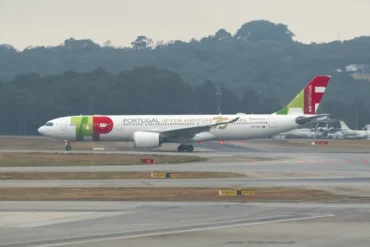
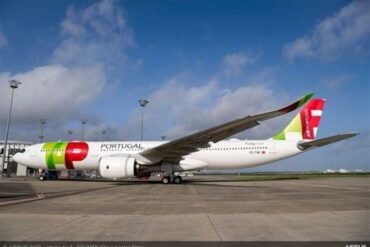
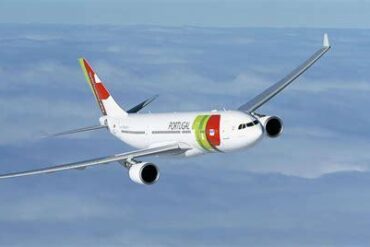
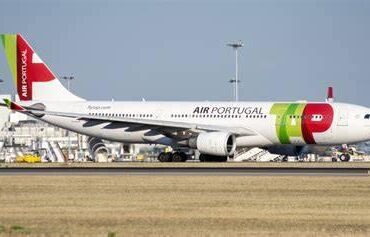
If ITA strengthens Lufthansa’s southern European position, TAP Air Portugal represents an even bigger strategic opportunity.
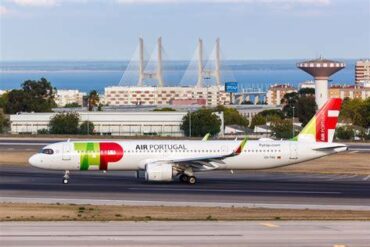
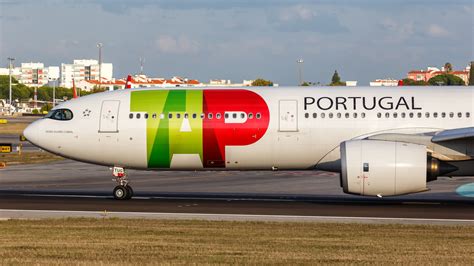
Portugal’s government is preparing to privatize a 49.9% stake in TAP, with the expectation that the chosen airline group will eventually become the carrier’s long-term strategic partner. That process has attracted enormous interest because TAP controls one of Europe’s most valuable niche networks.
Unlike many medium-sized European airlines, TAP possesses unusually strong long-haul relevance. Lisbon functions as a powerful bridge between Europe and Brazil, Portuguese-speaking African nations, North America, Madeira, and the Azores. Few European airlines possess such concentrated influence across these regions.
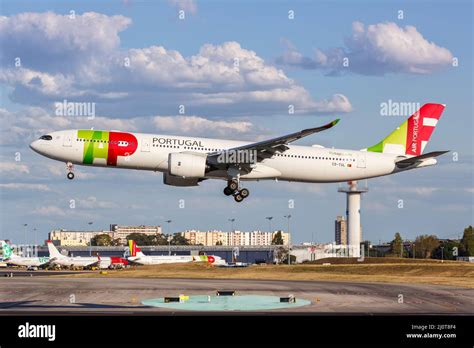
For Lufthansa, TAP would fit naturally into its broader strategy of creating interconnected regional hubs across Europe. Combined with Rome, Lisbon would give the German group extraordinary access to southern European and Atlantic traffic flows.
However, that same logic also explains why regulators may become increasingly uncomfortable.
A Lufthansa-controlled Rome and a Lufthansa-influenced Lisbon would potentially place two major southern European gateways under the same corporate umbrella. That concentration raises difficult questions about competition across multiple markets, especially on routes linking Europe with Brazil, North America, and parts of Africa.
Air France-KLM recognizes this vulnerability and has positioned itself aggressively as the cleaner regulatory alternative.
For the Franco-Dutch airline group, Lisbon fills a geographic gap that currently exists within its network. Unlike Lufthansa, Air France-KLM does not already possess a major southern European hub with similar strategic characteristics. As a result, its argument to regulators becomes significantly easier: TAP would complement the group’s structure rather than overlap with it.
That distinction could become decisive.
European Regulators May See Excessive Southern European Concentration
Regulatory scrutiny surrounding Lufthansa’s ITA acquisition was already substantial before the latest stake increase. European authorities demanded remedies tied to competition concerns, particularly on routes connecting Italy with Central Europe and across parts of the transatlantic market.
Those concerns may now intensify.
A future scenario in which Lufthansa exerts major influence over both ITA Airways and TAP Air Portugal would create a concentration of power across southern Europe that regulators cannot ignore. Rome and Lisbon are not secondary regional airports — they are strategically important gateways with growing intercontinental influence.
Competition authorities are likely to examine several critical issues closely:
- Reduced competition on intra-European routes connecting southern Europe with Central Europe
- Greater dominance on transatlantic services involving Italy and Portugal
- Increased control over Europe-Brazil traffic flows
- Expanded influence within Star Alliance and the Atlantic Joint Venture
- Potential weakening of independent southern European airline competition
The Atlantic Joint Venture issue could prove especially sensitive. Lufthansa already cooperates closely with United Airlines and Air Canada on immunized transatlantic operations. If both ITA Airways and TAP were eventually folded deeper into that structure, regulators in Washington and Brussels could argue that competition across portions of the North Atlantic market has become excessively concentrated.
US regulators have historically shown increasing skepticism toward large immunized airline partnerships, particularly when multiple carriers coordinate schedules, pricing, and revenue sharing. Southern Europe remains one of the fastest-growing transatlantic markets, meaning authorities may become reluctant to allow one alliance structure to dominate too heavily.
Even if Lufthansa succeeds in acquiring a TAP stake, additional restrictions, slot concessions, or route-level remedies could follow.
Portugal’s Government Faces A Political Balancing Act
While regulators in Brussels and Washington matter enormously, the most important audience may ultimately sit in Lisbon.
Portugal’s government has repeatedly emphasized that TAP Air Portugal is not simply a commercial airline. It is considered a strategic national asset closely tied to the country’s economic connectivity, tourism industry, diaspora links, and geopolitical influence.
That political reality creates unique sensitivities around any foreign acquisition.
Portuguese officials want guarantees that Lisbon will remain a primary hub rather than becoming subordinate to another city within a larger airline system. Lufthansa’s growing commitment to Rome may therefore create anxiety that TAP could eventually receive less strategic attention inside an increasingly crowded group structure.
Critics within Portugal already fear a scenario where Rome evolves into Lufthansa’s dominant southern hub while Lisbon becomes a secondary feeder operation.
Those fears are not purely theoretical. Large airline groups inevitably prioritize investment where network returns appear strongest. If Rome and Lisbon compete internally for aircraft allocation, long-haul growth, or premium connectivity, Portuguese stakeholders may question whether TAP would truly remain central to Lufthansa’s future.
Labor groups have also started voicing concern. Portugal’s national pilots’ union has reportedly expressed skepticism toward Lufthansa’s intentions, reflecting broader unease over how TAP’s identity and strategic role could evolve under foreign ownership.
Air France-KLM is exploiting these concerns carefully.
Its argument is politically attractive because Lisbon would occupy a more unique role inside the Franco-Dutch group. Rather than competing with another southern European hub, TAP could become Air France-KLM’s primary gateway into the South Atlantic market.
That message resonates strongly in Portuguese political circles.
Why Air France-KLM’s SAS Expansion Creates Fewer Regulatory Problems
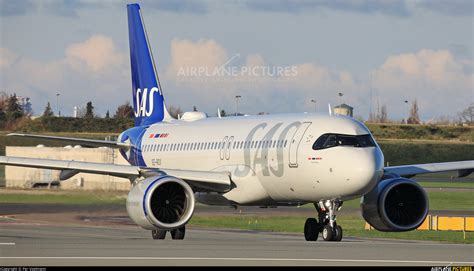
Lufthansa has argued that it is not alone in pursuing simultaneous acquisitions. Air France-KLM itself has been increasing its investment in Scandinavian Airlines, with plans to raise its SAS stake to 60.5%.
But regulators view the two situations very differently.
SAS strengthens Air France-KLM’s northern European presence through Copenhagen and Stockholm, yet those hubs do not create the same competitive overlap issues that Rome and Lisbon potentially would under Lufthansa ownership.
Scandinavian Airlines also lacks TAP’s deep exposure to Brazil and South Atlantic markets. That dramatically reduces concerns surrounding transatlantic concentration and long-haul market dominance.
As a result, Air France-KLM currently appears better positioned from a regulatory standpoint. Its acquisitions seem geographically complementary rather than overlapping.
That difference matters enormously during merger reviews.
Authorities rarely evaluate airline acquisitions solely on financial strength. They focus heavily on market concentration, route dominance, alliance influence, and long-term competitive effects. In Lufthansa’s case, the optics of controlling two powerful southern European platforms may become increasingly difficult to defend politically.
Europe’s Airline Consolidation Battle Is Entering Its Final Phase
The struggle over TAP Air Portugal reflects a much larger transformation underway across European aviation.
For years, Europe maintained a fragmented airline landscape filled with national carriers operating independently despite chronic financial instability. That era is rapidly disappearing. Rising costs, fleet modernization pressures, environmental regulations, and global competition are pushing airlines toward consolidation at unprecedented speed.
Three major groups are emerging as dominant powers:
- Lufthansa Group
- Air France-KLM
- International Airlines Group (IAG)
Each is attempting to secure strategic hubs, long-haul traffic flows, and alliance advantages before consolidation opportunities disappear completely.
TAP may be the final major network airline capable of significantly altering the competitive balance between those groups.
That reality explains why Lufthansa’s decision to deepen control over ITA Airways carries consequences extending far beyond Italy itself. Operationally, the ITA investment strengthens Lufthansa enormously by adding a powerful Rome hub to its expanding network empire. Politically and regulatorily, however, the move may complicate its pursuit of Lisbon at the worst possible time.
Rome may ultimately become the asset that weakens Lufthansa’s path toward TAP Air Portugal.