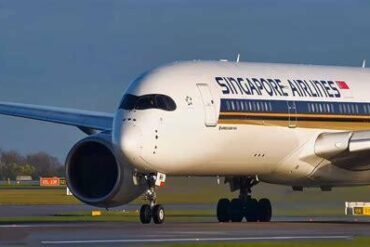
Narrowbody aircraft are no longer confined to short-haul regional operations. With technological strides redefining range, efficiency, and passenger comfort, airlines around the globe are increasingly deploying narrowbody aircraft on long-haul routes once dominated by widebody jets. This shift is not just a technical milestone—it signals a strategic evolution in route planning, fleet optimization, and accessibility in air travel.
The Evolution of Narrowbody Capability
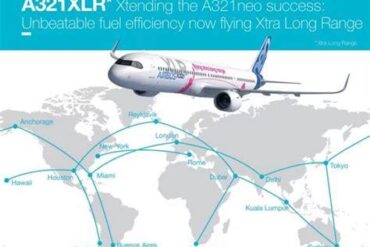
For decades, widebody aircraft like the Boeing 777 and Airbus A330 were synonymous with long-haul flights. But in recent years, the emergence of high-performance narrowbodies—such as the Airbus A321XLR and Boeing 737 MAX 8—has reshaped the operational landscape. These aircraft can now fly transatlantic routes and reach destinations over 4,000 nautical miles away, effectively bridging markets that were previously unreachable without a larger jet.
This leap in capability stems from several innovations:
- Advanced engine technology, such as the LEAP and Pratt & Whitney geared turbofan engines
- Improved aerodynamics and wing designs that reduce drag
- Higher fuel capacity, enabled by additional center tanks (ACTs)
As a result, airlines no longer require a large-capacity aircraft to serve thinner or seasonal long-haul routes. Instead, they can offer direct, nonstop services using smaller, more economical jets.
Competitive Economics and Market Expansion
The fundamental driver behind this trend is economics. Long-haul routes are inherently risky: they require high passenger volumes to turn a profit, and widebodies demand significant fuel, maintenance, and crew costs. For many carriers, particularly low-cost and regional operators, the economics of widebody deployment simply didn’t add up.
Enter the long-range narrowbody. Aircraft like the A321XLR offer the best of both worlds: widebody reach with narrowbody costs. Airlines can now:
- Open new long-haul routes without betting on massive demand
- Adjust capacity seasonally—substituting a widebody for a narrowbody during off-peak months
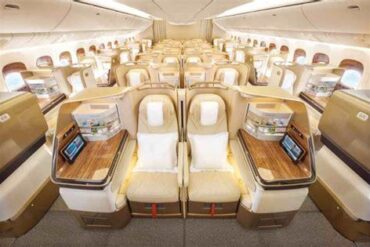
- Offer premium products like lie-flat seating in smaller cabins
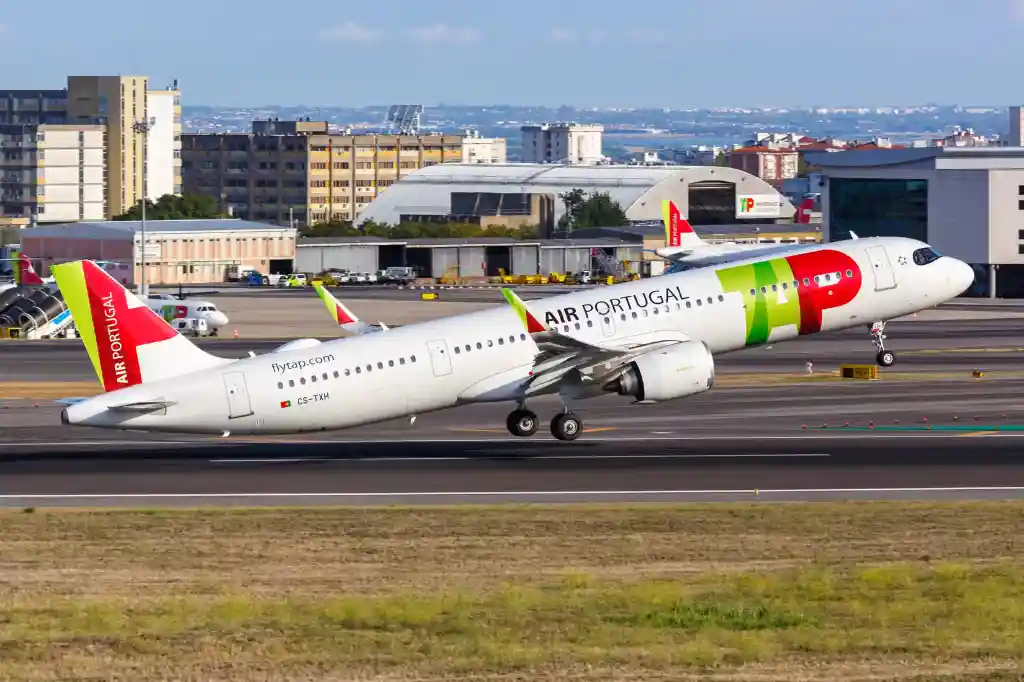
Fredric Gossot, Sales Director at TAP Air Portugal, emphasized this flexibility when describing their A321LR operations:
“It’s absolutely perfect for us. You swap out the A330 for the A321LR during the slower months.”
This approach allows carriers to tap into underserved markets—like secondary U.S. cities or mid-sized European destinations—without the need for high-density traffic.
The Original Long-Haul Narrowbody: Boeing 757
The long-haul narrowbody concept is not new. The Boeing 757, introduced in the early 1980s, was a pioneer in this domain. Its unique combination of range and capacity made it ideal for transatlantic missions, especially between the U.S. East Coast and Western Europe.
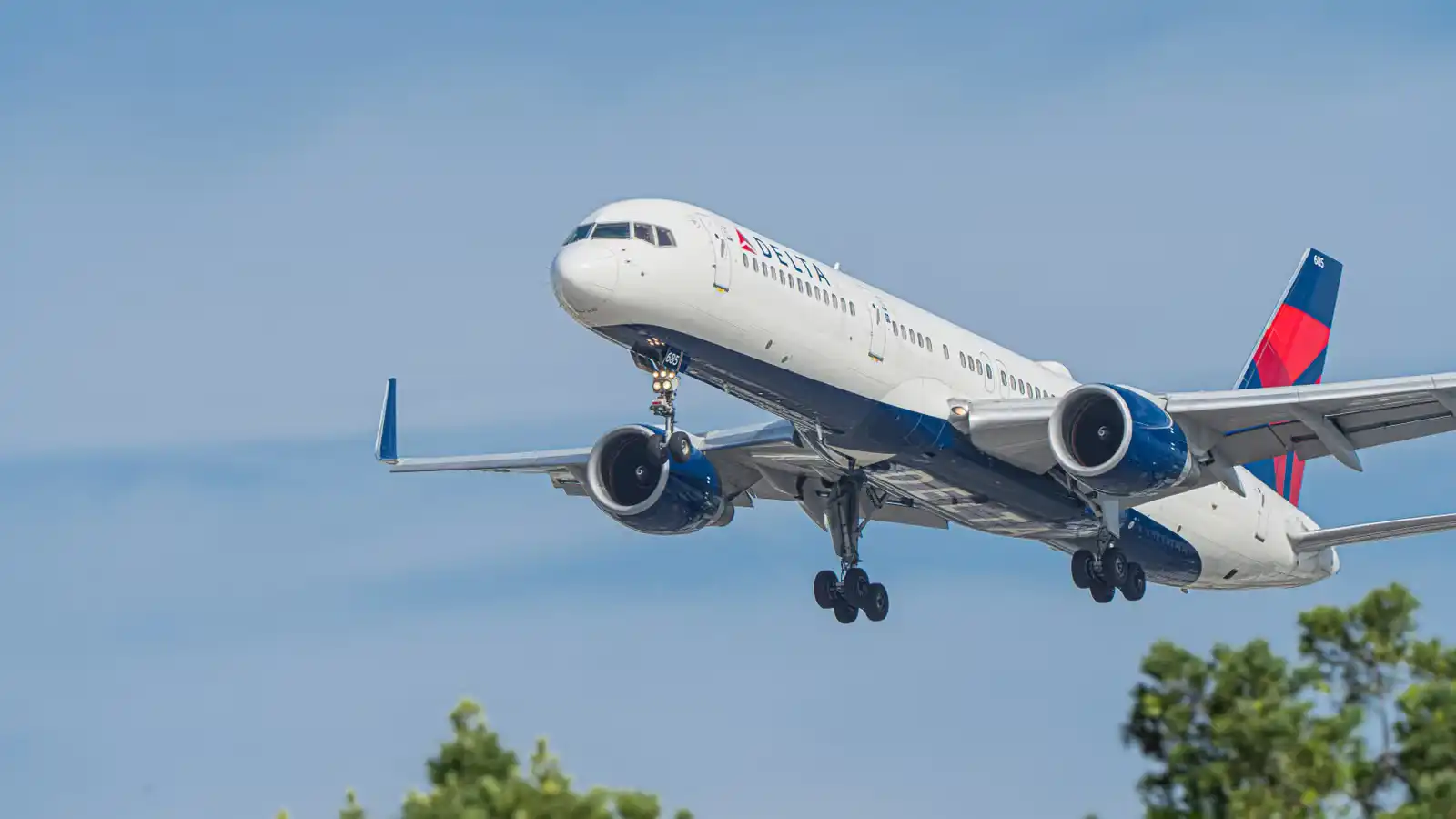
Though production ended in 2004, the 757’s utility has kept it in active service. U.S. carriers like Delta Air Lines and United Airlines continue to operate sizable fleets. Delta’s 757-200s can reach up to 4,705 nautical miles, depending on configuration—a range that rivals newer aircraft.
However, the lack of a true 757 successor left a void. Airlines needed a modern narrowbody with similar (or better) performance and lower operating costs. The arrival of the A321neo variants and the 737 MAX filled that gap.
Side-by-Side: Comparing Narrowbody Long-Haul Options
The new generation of narrowbody jets offers capabilities that directly compete with or surpass those of the 757. For example:
- Airbus A321LR: 4,000 nm range, 220 passengers
- Airbus A321XLR: 4,700 nm range, 220 passengers
- Boeing 737 MAX 8: 3,500 nm range, 178 passengers
Compare this to the 757-200’s 3,915 nm range and the 757-300’s 3,400 nm. The A321XLR, in particular, opens up ultra-long narrowbody missions that were previously unimaginable, such as New York to Rome or London to Delhi.
Strategic Fleet Deployment: Airlines Embracing The Change
Airlines worldwide are embracing long-haul narrowbody aircraft as a core part of their fleet strategy. The appeal is multifaceted:
- Lower seat-mile costs make them ideal for long, thin routes
- Fuel efficiency improves sustainability scores
- Flexible capacity matches demand on a route-by-route basis
Airlines like JetBlue, Air Transat, Air Canada, TAP Air Portugal, Aer Lingus, and Iberia have all incorporated A321LRs or 737 MAX 8s into their transatlantic schedules. These carriers often use them to complement existing widebody operations, flying to:
- Secondary U.S. destinations with limited demand
- European cities with limited slot availability
- Tourist regions with seasonal traffic peaks
This allows more direct routes, reduced layovers, and ultimately better customer satisfaction.
Upgrading The Passenger Experience
A traditional criticism of narrowbody aircraft on long-haul routes is passenger comfort. The single-aisle configuration can feel cramped, and onboard services were historically limited. But modern long-range narrowbodies are rewriting that narrative.
Airlines are investing in:
- Full-flat business class seats, often with direct aisle access
- High-speed Wi-Fi and modern IFE systems
- Improved cabin pressure and humidity for better comfort
- Premium economy options, previously unavailable on narrowbodies
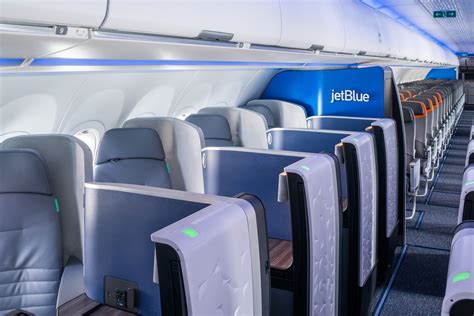
For example, JetBlue’s Mint Suites on the A321LR offer a lie-flat bed, privacy doors, and gourmet dining—comparable to business class on many widebodies.
A Surge in Demand and Orders
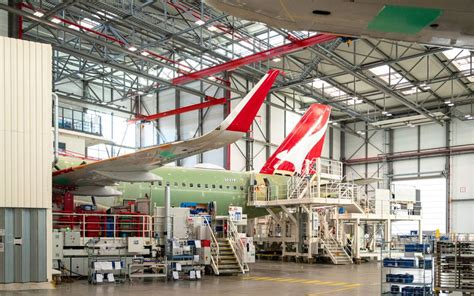
The momentum behind long-haul narrowbody aircraft is backed by record orders. Airbus reports over 7,000 A321neo family orders, with thousands for the XLR variant. Boeing, meanwhile, has delivered over 2,000 MAX aircraft, with a backlog of nearly 5,000 units—including the yet-to-be-certified MAX 7 and MAX 10.
In contrast, only around 1,000 Boeing 757s were ever delivered, and fewer than 20% remain active. Clearly, the market is embracing newer alternatives at scale.
These numbers indicate that long-haul narrowbody deployments are not a passing trend but a permanent feature of global aviation strategy.
Unlocking New Market Potential
Perhaps the most transformative impact of long-haul narrowbodies is their ability to unlock new routes that were previously unviable. For instance:
- Copenhagen to Boston on an A321XLR
- Toronto to Lisbon on a 737 MAX 8
- Madrid to Washington DC on an A321LR
These are routes that might never have materialized with a widebody jet due to limited demand or tight airport slots. Now, airlines can connect cities directly, offering passengers faster, more convenient journeys while reducing operational costs.
This opens the door to greater regional connectivity, increased tourism, and new business opportunities in smaller markets.
What Lies Ahead
With narrowbody long-haul routes proving their value, the industry is likely to witness even more investment in:
- Next-generation cabin designs tailored for 6–9 hour flights
- Airports reconfiguring gates to handle long-haul narrowbodies
- Expansion of low-cost long-haul models in Asia and Africa
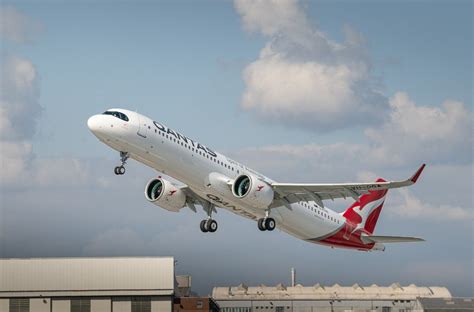
As environmental concerns grow, fuel efficiency will further boost the attractiveness of these aircraft. Moreover, as aircraft technology continues to improve, we may soon see even longer-range narrowbody variants entering service.
Conclusion
The rise of long-haul narrowbody aircraft marks a fundamental shift in commercial aviation. Airlines no longer need to rely solely on widebodies to expand their international footprint. Instead, with aircraft like the Airbus A321XLR and Boeing 737 MAX, they can unlock routes, reduce costs, and offer competitive passenger experiences.
This trend empowers airlines to be more agile, enter new markets faster, and serve their passengers with more point-to-point connectivity. As order books swell and new deliveries ramp up, the narrowbody revolution is set to reshape the skies for years to come.