The scale of widebody aircraft operations in North America reveals a fascinating divide between passenger ambition and cargo necessity. In a market defined by sprawling geography, intercontinental demand, and global logistics, widebody jets serve as the backbone of both premium travel and high-volume freight. From the sleek efficiency of next-generation Dreamliners to the brute lifting power of freighter-configured 747s, these aircraft are far more than just larger planes—they are strategic assets shaping airline dominance.
Across the United States in particular, the world’s largest aviation market, widebodies make up a relatively small percentage of total fleets but deliver a disproportionate share of revenue and global connectivity. While narrowbodies dominate domestic routes, widebodies unlock continents. Meanwhile, cargo operators lean heavily on these aircraft not just for international routes, but even for domestic logistics—something passenger airlines rarely do.
What emerges is a clear hierarchy: a mix of legacy passenger carriers and logistics titans, each leveraging widebody fleets in distinct yet equally powerful ways. These are the five airlines that define widebody fleet leadership in North America.
American Airlines: Streamlined Power With Boeing Widebodies
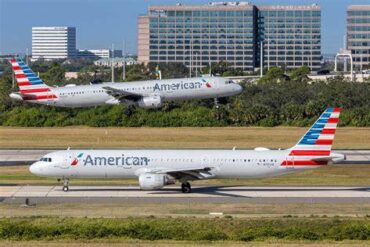
American Airlines has undergone significant transformation in its widebody strategy, particularly after the pandemic forced difficult fleet decisions. Despite retiring its Airbus A330s and Boeing 767s, the airline still commands one of the most focused and efficient widebody fleets in the world—built entirely around Boeing aircraft.
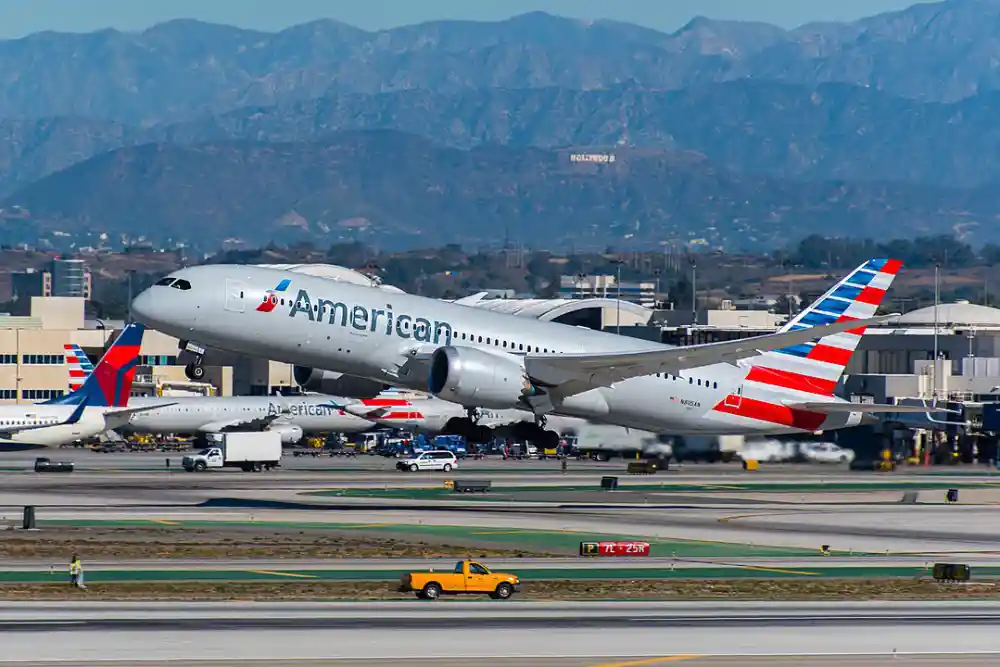
The fleet consists of 137 widebody jets, split between the Boeing 777 and Boeing 787 families. This streamlined approach simplifies maintenance, training, and operations while still offering flexibility across long-haul routes. The breakdown reveals a deliberate balance between legacy capacity and modern efficiency.
American operates 67 Boeing 777s, including both the 777-200ER and the more premium-heavy 777-300ER. Complementing these are 70 Boeing 787 Dreamliners, split between the 787-8 and the increasingly dominant 787-9. The latter is expected to become the airline’s flagship widebody as additional units enter service.
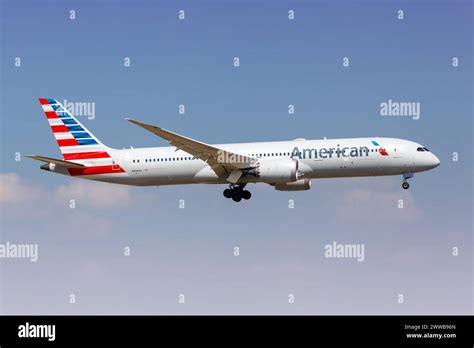
What makes American’s strategy compelling is its emphasis on fleet modernization without overcomplication. With just a handful of engine types and aircraft variants, the airline achieves operational efficiency while still serving key global markets. Major hubs like Dallas/Fort Worth, Miami, and Los Angeles act as widebody strongholds, enabling robust connections to Europe, Asia, and Latin America.
Even more telling is the airline’s investment in refurbishing its 777 fleet. Rather than rushing into replacement, American is doubling down on existing assets—suggesting confidence in long-term demand and a measured approach to expansion.
Delta Air Lines: The Most Diverse Widebody Portfolio
Delta Air Lines stands apart as the only major U.S. carrier operating a mixed Airbus and Boeing widebody fleet, giving it unmatched versatility. With 179 widebody aircraft, Delta’s fleet is larger than the entire fleets of many global airlines—a testament to its scale and ambition.
The airline’s Airbus lineup includes 81 A330s and 40 A350-900s, while its Boeing presence is anchored by 58 Boeing 767s. This diversity allows Delta to tailor aircraft deployment with precision, matching capacity and range to specific route demands.
The Airbus A350-900, in particular, has become a cornerstone of Delta’s long-haul operations. Known for its fuel efficiency and passenger comfort, it represents the airline’s push toward next-generation widebody travel. Meanwhile, the A330—especially the A330-900neo—bridges the gap between capacity and efficiency.
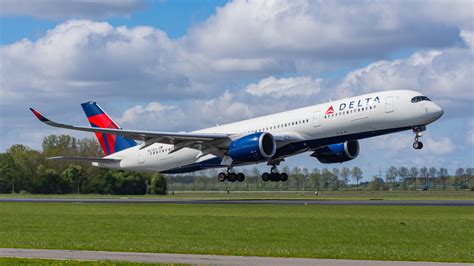
Delta’s future plans are even more ambitious. With over 160 widebodies on order, including Airbus A350-1000s and Boeing 787-10s, the airline is positioning itself for sustained global expansion. This dual-manufacturer strategy reduces dependency risks while maximizing flexibility in procurement and deployment.
Operationally, Delta integrates its widebodies across nearly all major hubs, from Atlanta to Seattle. Each location serves a strategic role, whether it’s transatlantic connectivity or Pacific expansion. The result is a network that feels both expansive and carefully engineered.
UPS Airlines: Freight Efficiency at Massive Scale
Unlike passenger carriers, UPS Airlines operates with a singular mission: moving cargo with maximum efficiency. Its widebody fleet reflects this focus, combining reliability, capacity, and cost-effectiveness into one of the largest cargo fleets in the world.
With 196 widebody aircraft, UPS relies heavily on three main types: the Airbus A300-600RF, Boeing 747, and Boeing 767-300F. Each serves a distinct role within the logistics chain, from regional distribution to intercontinental freight.
The Boeing 767-300F forms the backbone of the fleet, with over 100 units in service and more on order. Meanwhile, the Boeing 747, including the advanced 747-8F, handles high-capacity, long-haul routes. The Airbus A300, though aging, remains a workhorse for medium-haul operations.
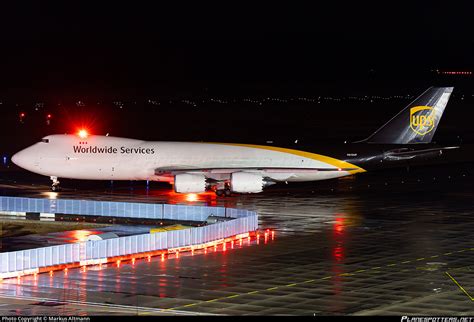
What sets UPS apart is its willingness to operate older aircraft well beyond the norms of passenger airlines. This is a calculated decision—cargo operations prioritize cost efficiency over passenger comfort, allowing UPS to extract maximum value from each airframe.
Even domestically, UPS frequently deploys widebodies, a stark contrast to passenger carriers that reserve them for long-haul routes. This approach underscores the sheer volume and urgency of modern logistics, where speed and scale are everything.
United Airlines: The Passenger Widebody Leader
United Airlines holds the title of the largest widebody fleet among U.S. passenger airlines, with an impressive 233 aircraft. Globally, it ranks second only to Emirates in passenger widebody scale—an extraordinary achievement that reflects decades of strategic growth.
The fleet is built entirely around Boeing aircraft, including 53 Boeing 767s, 96 Boeing 777s, and 84 Boeing 787 Dreamliners. This composition provides a powerful blend of capacity, range, and efficiency, enabling United to dominate both Atlantic and Pacific routes.
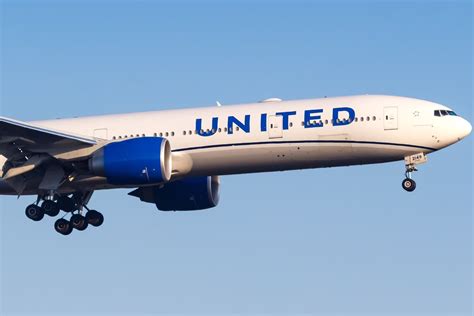
United’s strength lies not just in numbers, but in network reach. It operates the most extensive long-haul network among U.S. carriers, with a particularly strong presence in the Pacific market. Hubs like San Francisco and Newark act as global gateways, connecting North America to Asia and beyond.
The airline’s future fleet strategy is equally aggressive. With over 130 widebodies on order, primarily Boeing 787 variants, United is doubling down on growth. The Dreamliner, with its superior fuel efficiency and range, is expected to become the dominant aircraft type in the coming years.
There is also ongoing uncertainty surrounding its Airbus A350 order, highlighting the dynamic nature of fleet planning at this scale. Regardless of the final decision, United’s trajectory is clear: expand, modernize, and maintain leadership in long-haul travel.
FedEx Express: The World’s Largest Widebody Fleet
At the top of the list sits FedEx Express, operating a staggering 288 widebody aircraft—the largest such fleet in the world. Unlike passenger airlines, FedEx’s entire model revolves around air logistics, making widebodies not just important, but essential.
The fleet includes 150 Boeing 767-300Fs, 59 Boeing 777Fs, and 50 Airbus A300-600RFs, along with a number of MD-11Fs whose future remains uncertain. This combination allows FedEx to handle everything from regional deliveries to intercontinental freight at unmatched scale.
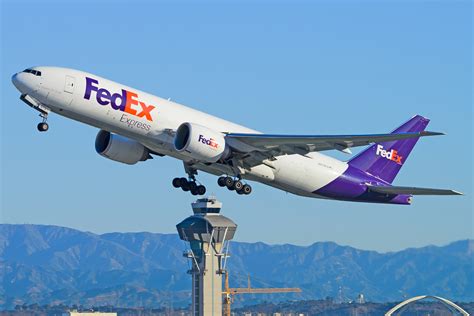
FedEx’s operational philosophy is often described as “an airline with trucks,” emphasizing its reliance on air transport as the primary mode of logistics. This contrasts sharply with UPS, which leans more heavily on ground operations.
The airline also integrates a vast network of feeder aircraft, including turboprops, to connect smaller markets to its major hubs. This layered approach ensures that even the most remote areas are linked into the global supply chain.
What truly sets FedEx apart is its ability to synchronize air and ground operations on a global scale. Its Memphis SuperHub acts as the beating heart of this system, processing millions of packages daily with remarkable precision.
The Strategic Divide: Passenger vs Cargo Widebody Usage
The contrast between passenger and cargo airlines in widebody usage is striking. Passenger carriers deploy these aircraft primarily on long-haul international routes, where demand justifies their size and operating costs. In contrast, cargo airlines use widebodies across both international and domestic networks, reflecting the urgency and volume of modern logistics.
Passenger airlines prioritize fuel efficiency, passenger comfort, and route optimization, while cargo operators focus on payload capacity, reliability, and cost per ton-mile. These differing priorities shape everything from fleet composition to aircraft lifespan.
In North America, this dynamic creates a unique ecosystem where both sectors push the limits of what widebody fleets can achieve. Whether it’s connecting continents or delivering overnight shipments, these aircraft remain indispensable.
Conclusion: Widebody Fleets as a Measure of Airline Power
Widebody fleets are more than just numbers—they are a direct reflection of an airline’s global ambition, operational scale, and strategic vision. From American’s streamlined Boeing lineup to FedEx’s unmatched cargo empire, each airline on this list demonstrates a different path to dominance.
What ties them together is a shared reliance on aircraft capable of spanning oceans and moving economies. In an industry defined by constant change, widebodies remain a constant—a symbol of reach, capability, and the relentless pursuit of growth.
As new aircraft enter service and global demand evolves, these fleets will continue to expand and adapt. But one thing is certain: in North America, the race for widebody supremacy is far from over—and the skies have never been more competitive.