The global aerospace industry entered 2026 in one of the strongest positions in its history. Commercial air travel has fully rebounded from pandemic-era disruptions, airline fleets are expanding at an unprecedented pace, and defense budgets across North America, Europe, the Middle East, and Asia continue to rise. These powerful trends have created enormous opportunities for aircraft manufacturers, allowing the industry’s largest players to generate hundreds of billions of dollars in combined annual revenue.
While aircraft manufacturing is often associated with commercial airliners carrying millions of passengers around the world, the sector extends far beyond airline fleets. Modern aerospace companies manufacture everything from narrowbody and widebody passenger jets to business aircraft, military fighters, strategic airlifters, helicopters, surveillance systems, and advanced space technologies. The result is a highly concentrated industry where a handful of companies account for the majority of global aerospace revenues.
The rankings reveal a fascinating picture of today’s aviation landscape. At the top sit Boeing and Airbus, the two giants that dominate commercial aviation. Close behind is defense powerhouse Lockheed Martin, whose military aircraft programs generate revenue on a scale rivaling the largest civilian manufacturers. Beyond these leaders lies a diverse group of specialized producers that continue to shape regional aviation, business aviation, military aerospace, and emerging technologies.
Understanding which manufacturers generate the most revenue offers valuable insight into where demand is strongest, which aircraft programs are succeeding, and how the future of global aviation is evolving.
Boeing Reclaims Leadership With Nearly $90 Billion in Revenue
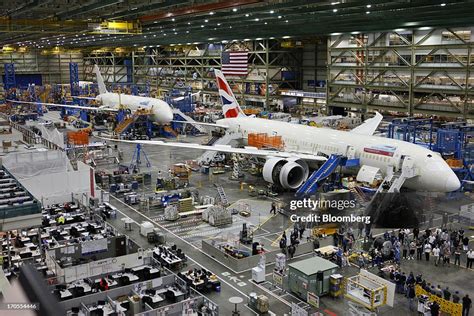
With annual revenue reaching approximately $89.5 billion, Boeing regained its position as the world’s largest aircraft manufacturer by revenue. The American aerospace giant experienced a dramatic recovery during 2025, posting its strongest financial performance since before the pandemic while significantly increasing aircraft production across multiple programs.
A major factor behind Boeing’s resurgence was the delivery of approximately 600 commercial aircraft. The manufacturer successfully delivered hundreds of Boeing 737 aircraft alongside substantial numbers of Boeing 787 Dreamliners, Boeing 777s, and Boeing 767s. These deliveries represented a significant improvement compared with previous years when production constraints, regulatory scrutiny, and supply chain disruptions limited output.
Commercial aviation remains Boeing’s largest business segment, accounting for nearly half of total company revenue. However, Boeing’s strength comes from its diversified portfolio. Defense, Space & Security operations contribute tens of billions of dollars annually, while Boeing Global Services provides maintenance, logistics, training, and support solutions to operators worldwide.
The company’s strategic acquisition of Spirit AeroSystems further strengthened its manufacturing ecosystem. By bringing a critical supplier under direct control, Boeing aims to improve quality oversight, streamline production, and reduce future disruptions throughout its supply chain.
Despite these impressive revenue figures, Boeing’s recovery story remains unfinished. Some commercial programs continue to face profitability challenges, and management remains focused on improving operational efficiency. Nevertheless, the company’s performance demonstrates how quickly financial results can improve when aircraft deliveries accelerate in a market characterized by overwhelming demand.
Airbus Continues Record Growth Through Commercial Aviation Dominance
Generating approximately $81 billion in annual revenue, Airbus secured the second position among global aircraft manufacturers while maintaining its status as the world’s leading commercial aircraft producer by deliveries.
The European aerospace giant delivered an extraordinary 793 commercial aircraft during the year, setting another company record and reinforcing its dominant position in global airline markets. Deliveries included aircraft from the highly successful Airbus A220, A320, A330, and A350 families, serving customers ranging from low-cost carriers to major international airlines.
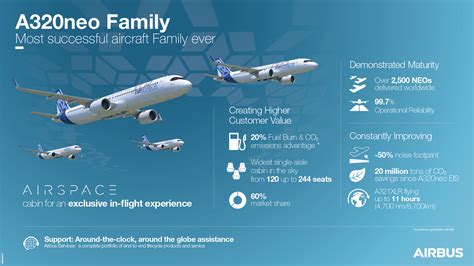
Airbus’ greatest competitive advantage may not be its current deliveries but rather its enormous order backlog. With more than 8,700 aircraft awaiting production, the manufacturer possesses one of the largest industrial order books in history. This backlog represents years of guaranteed production activity and provides exceptional visibility into future revenue streams.
The Airbus A320neo family continues to be the primary driver of growth. Airlines worldwide remain eager to acquire fuel-efficient narrowbody aircraft capable of reducing operating costs while meeting increasingly strict environmental targets. At the same time, the Airbus A350 has established itself as one of the most successful long-haul aircraft programs in modern aviation.
Beyond commercial aviation, Airbus also benefits from substantial revenue generated by its helicopter and defense divisions. Airbus Helicopters remains one of the world’s largest rotorcraft manufacturers, while the company’s defense and space operations support military, governmental, and satellite programs across multiple continents.
Challenges remain, particularly regarding engine supply issues affecting some aircraft programs. However, Airbus enters the second half of the decade with extraordinary momentum and one of the strongest competitive positions in aerospace history.
Lockheed Martin: The Military Aviation Giant
Unlike Boeing and Airbus, whose fortunes are closely tied to commercial airline demand, Lockheed Martin derives its aerospace dominance almost entirely from military programs. With annual revenue reaching approximately $75 billion, the company remains the world’s largest dedicated defense aerospace manufacturer.
At the heart of Lockheed Martin’s success is the F-35 Lightning II program. Widely regarded as the most advanced fighter aircraft currently in production, the F-35 has become a cornerstone of military modernization efforts across numerous allied nations.
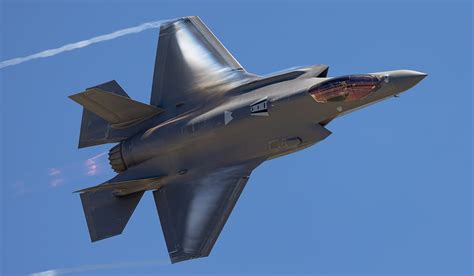
The aircraft combines stealth characteristics, advanced sensor fusion, network-centric warfare capabilities, and multi-role functionality in a single platform. As additional countries expand their F-35 fleets, the program continues generating enormous revenue not only through aircraft sales but also through maintenance, upgrades, training, and long-term support contracts.
Lockheed Martin’s portfolio extends well beyond fighter aviation. The company manufactures transport aircraft, missile defense systems, precision-guided weapons, satellites, and space technologies. This broad product range creates multiple revenue streams while reducing dependence on any single program.
One of the most remarkable indicators of Lockheed Martin’s future prospects is its backlog, which exceeds annual sales by a significant margin. With governments worldwide increasing defense expenditures amid growing geopolitical tensions, demand for advanced military systems appears likely to remain strong well into the next decade.
Textron Aviation’s Diverse Portfolio Drives Strong Revenue Growth
Textron Aviation generated approximately $14.8 billion in annual revenue, establishing itself as the fourth-largest aircraft manufacturer on the list and the clear leader in several segments of general aviation.
Unlike larger aerospace giants focused primarily on commercial airlines or military customers, Textron serves an exceptionally diverse customer base. Its aviation brands include Cessna, Beechcraft, Bell Helicopter, and Pipistrel, giving the company exposure to numerous aviation sectors.
Business aviation remains one of Textron’s most important markets. The Cessna Citation family continues to rank among the most popular business jet series globally, while the Beechcraft King Air remains one of the most successful turboprop aircraft ever produced.
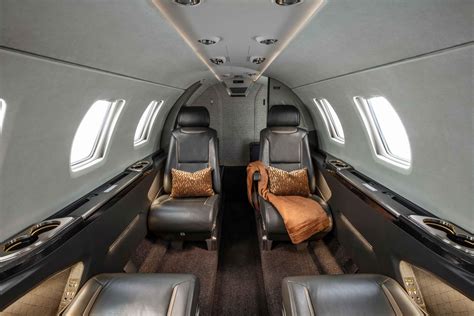
The company also benefits from its long-standing presence in pilot training markets. The Cessna 172 remains the world’s most-produced aircraft and continues serving flight schools and private pilots worldwide.
Bell Helicopter further strengthens Textron’s position by providing both civilian and military rotorcraft. This combination of fixed-wing and rotary-wing products creates resilience and allows the company to participate in multiple aviation growth sectors simultaneously.
Bombardier’s Reinvention as a Business Aviation Powerhouse
Few aerospace companies have undergone a transformation as dramatic as Bombardier. Once a major participant in commercial aviation, the Canadian manufacturer now focuses almost exclusively on premium business jets.
This strategic shift has proven highly successful. Bombardier generated approximately $9.55 billion in revenue during 2025, supported by strong demand for its Challenger and Global aircraft families.
The flagship Global 7500 has become one of the most influential business jets in the world. Offering exceptional range, advanced technology, and luxurious cabin accommodations, the aircraft has attracted corporate executives, governments, and high-net-worth individuals seeking unmatched global mobility.
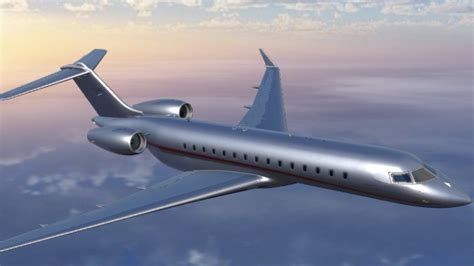
Bombardier’s innovation continues with the Global 8000, designed to push performance boundaries even further. Its combination of ultra-long-range capability and high-speed performance positions it among the most advanced civilian aircraft ever developed.
The company’s success illustrates the growing importance of business aviation as corporations and private operators increasingly value flexibility, efficiency, and direct access to destinations beyond major airline networks.
Dassault Aviation Combines Military Strength With Luxury Aviation Excellence
French manufacturer Dassault Aviation generated approximately $8.7 billion in annual revenue through a unique combination of military and business aircraft programs.
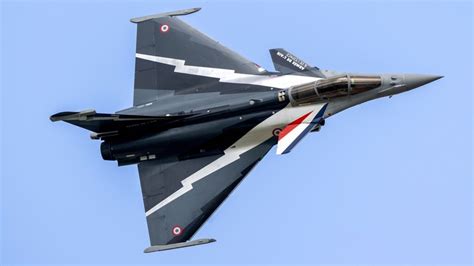
The company’s military success centers on the Dassault Rafale, a highly capable multirole fighter that has secured export contracts across Europe, Asia, Africa, and the Middle East. Strong international demand has significantly expanded Dassault’s defense revenues while reinforcing its position as one of the world’s premier fighter aircraft manufacturers.
At the same time, Dassault’s Falcon business jets enjoy an exceptional reputation among corporate and private operators. Known for efficiency, performance, and advanced engineering, Falcon aircraft have carved out a distinctive niche within the highly competitive business aviation market.
The forthcoming Falcon 10X represents the company’s next major step in executive aviation. Designed to compete directly with the most advanced long-range business jets, the aircraft demonstrates Dassault’s commitment to maintaining leadership in both military and civilian aerospace sectors.
This dual-market strategy provides stability and diversification, helping the company navigate economic fluctuations that might affect either defense or business aviation independently.
Embraer Achieves Historic Revenue Milestone
Brazilian aerospace manufacturer Embraer recorded approximately $7.58 billion in revenue, marking the strongest financial performance in its history.
For decades, Embraer has dominated the regional jet market, and that expertise continues driving growth today. The E2 family represents one of the most advanced regional aircraft platforms available, offering significant improvements in fuel efficiency, operating economics, and environmental performance.
Airlines increasingly view regional aircraft as essential tools for connecting smaller cities and optimizing route networks. This trend has helped sustain demand for Embraer’s products despite intense competition from larger manufacturers.
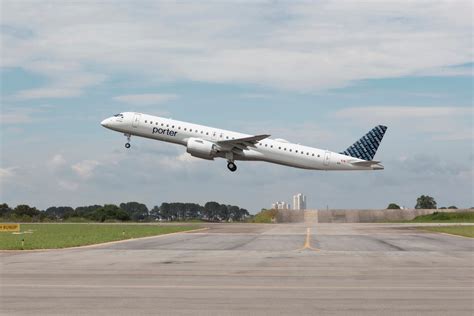
Business aviation also contributed significantly to the company’s record performance. The Phenom and Praetor families continue attracting customers seeking modern aircraft with impressive range, comfort, and operating efficiency.
Meanwhile, defense programs such as the KC-390 military transport aircraft are gaining international recognition. New orders from multiple countries demonstrate growing confidence in Embraer’s ability to compete against established defense manufacturers.
The combination of commercial, executive, and military aviation activities provides a balanced business model that positions Embraer for continued expansion.
Rostec United Aircraft Corporation and Russia’s Aerospace Ambitions
Rounding out the list is Rostec’s United Aircraft Corporation, with estimated aircraft-related revenues between $5 billion and $6 billion annually.
UAC oversees many of Russia’s most important aerospace brands, including Sukhoi, MiG, Tupolev, Ilyushin, and Yakovlev. Together, these organizations are responsible for much of Russia’s military and civilian aircraft production.
Assessing UAC’s financial performance presents unique challenges due to limited transparency and the effects of international sanctions. Nevertheless, the organization remains central to Russia’s efforts to maintain an independent aerospace industry.
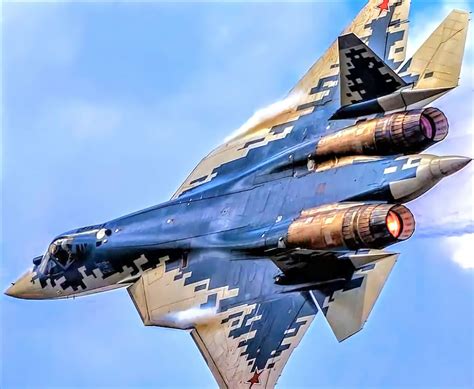
Military aircraft such as the Su-35 and Su-57 continue serving as major production programs, while domestic passenger aircraft initiatives seek to reduce reliance on Western suppliers. Projects including the MC-21 and updated Tu-214 reflect broader national objectives aimed at strengthening self-sufficiency within the aviation sector.
Although UAC generates significantly less revenue than Western industry leaders, its strategic importance within Russia’s defense and transportation infrastructure remains substantial.
The Future of Global Aircraft Manufacturing
The revenue rankings highlight an aerospace industry increasingly divided between a handful of dominant giants and a specialized group of regional leaders. Boeing, Airbus, and Lockheed Martin collectively account for the overwhelming majority of revenue among the world’s top aircraft manufacturers, demonstrating the extraordinary scale required to compete at the highest levels of aerospace production.
At the same time, companies such as Textron, Bombardier, Dassault, Embraer, and United Aircraft Corporation continue proving that focused specialization can create profitable and sustainable market positions. Whether through business jets, regional aircraft, helicopters, or military systems, these manufacturers play critical roles in shaping global aviation.
Looking ahead, record order backlogs, expanding airline fleets, growing defense expenditures, and continued technological innovation suggest that the aerospace industry is entering a prolonged period of growth. The companies leading today’s rankings are not merely building aircraft; they are defining the future of global mobility, national defense, and aerospace innovation for decades to come.