In the modern aviation landscape, while aircraft manufacturers like Boeing and Airbus dominate headlines, a quieter yet equally critical battle for dominance unfolds beneath the wings — in the powerful world of aircraft engine manufacturing. This high-stakes sector is fiercely controlled by four major players: CFM International, Pratt & Whitney, General Electric, and Rolls-Royce. Together, these industry titans command 99% of the global market for large commercial aircraft engines. Each of these companies plays a pivotal role in powering the global aviation fleet, and their innovations dictate the future of air travel.
CFM International: The Narrowbody Powerhouse
Established in 1974, CFM International is a transatlantic joint venture between General Electric (GE) Aerospace and Safran Aircraft Engines of France. The company’s name cleverly derives from the engine designations of its parent firms: GE’s CF series and Safran’s M series. While its beginnings were uncertain — with no orders five years after launch — salvation came when carriers like Delta and United adopted the CFM56 to re-engine their aging Douglas DC-8 fleets under the Super 70 program.
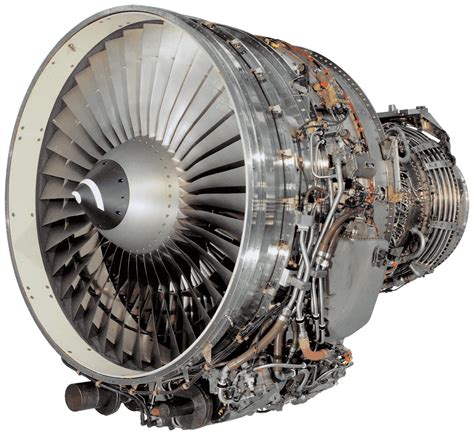
That decision marked the start of a remarkable turnaround. The CFM56 went on to become the best-selling jet engine in aviation history, with more than 33,000 units delivered and over a billion flight hours logged. It became the engine of choice for aircraft like the Boeing 737 Classic and NG series, the Airbus A320ceo, and even military platforms like the USAF’s KC-135.
To follow up on the CFM56’s success, CFM launched the LEAP (Leading Edge Aviation Propulsion) engine in 2008. First flown in 2014, LEAP engines now power the Boeing 737 MAX, the Airbus A320neo, and the Chinese COMAC C919. Featuring ceramic matrix composites and 3D-printed fuel nozzles, the LEAP provides double-digit gains in fuel efficiency and emissions reduction. It has secured a staggering 72% share of the global narrowbody engine market, making CFM the undisputed leader in this segment.
Pratt & Whitney: Pioneering Geared Turbofan Technology
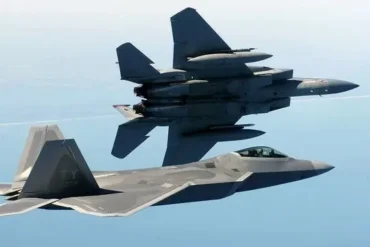
Pratt & Whitney (P&W) stands as one of the most revered names in aerospace, with a heritage stretching back over 100 years. Known for legendary engines like the Wasp and the Hornet, Pratt has evolved into a dominant force across commercial, military, and even space propulsion. Its engines are found in everything from fighter jets to cruise missiles to commercial widebodies and regional jets.
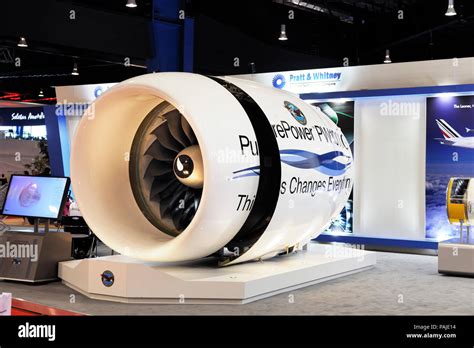
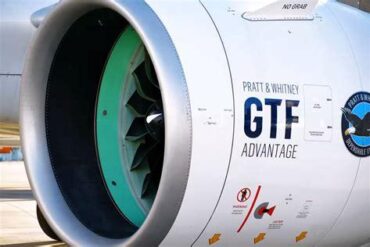
One of Pratt & Whitney’s most revolutionary contributions to aviation is the GTF (Geared Turbofan) engine, branded as the PW1000G series. By incorporating a reduction gearbox between the fan and low-pressure turbine, the GTF optimizes rotational speeds, increasing efficiency and lowering noise. This engine powers the Airbus A220, Embraer E2, and is a key option for the A320neo family and the Russian MC-21.
While the GTF boasts up to 20% fuel savings and 75% noise reduction, it has faced significant operational challenges. Structural durability issues have forced widespread inspections and removals — with up to 700 engines expected to be serviced through 2026, grounding nearly a third of the fleet. Despite this, the GTF remains in service on over 2,000 aircraft across 80 airlines, with an impressive backlog of 11,000 engines.
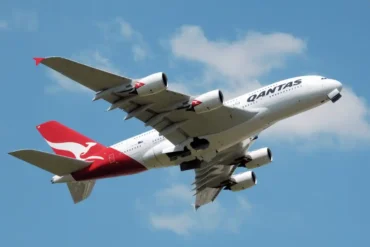
Pratt’s influence also extends to partnerships. Through International Aero Engines (IAE), it co-developed the V2500 engine with MTU and Japan Aero Engines, and through Engine Alliance — a 50/50 joint venture with GE — it developed the GP7000 for the Airbus A380.
General Electric: Widebody Dominance and Record-Breaking Power
General Electric (GE) entered the aviation engine race with a rich background in power generation and turbosupercharging during the early 20th century. The firm’s first jet engine work emerged during World War II, culminating in the TF39 in the 1960s — the world’s first high-bypass turbofan. Its commercial variant, the CF6, became a staple on widebody aircraft, including the Boeing 747, McDonnell Douglas DC-10, and the Airbus A330.
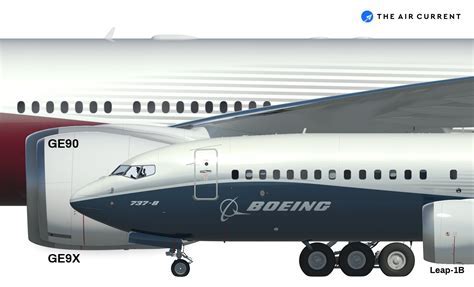
Today, GE’s presence in the widebody market is dominant. It is the exclusive engine supplier for the Boeing 777 and 747-8, and a dual-source provider for the Boeing 787 Dreamliner. The firm’s engines power 52% of all widebody aircraft in service and are specified in 54% of upcoming widebody orders.
At the cutting edge of propulsion stands the GE9X, developed exclusively for the Boeing 777X. This engine is the largest and most powerful jet engine ever built, with a Guinness World Record thrust of 134,300 pounds. Utilizing ceramic matrix composites, additive manufacturing, and carbon-fiber fan blades, the GE9X sets new benchmarks in both power and efficiency.
Moreover, GE’s strategic importance is amplified by its 50% stake in CFM International, making it a quiet giant across both narrow and widebody markets.
Rolls-Royce: The European Giant in Widebody Propulsion
Among the engine elite, Rolls-Royce is the sole European contender with an equally storied legacy. Its first engine, the Eagle, took flight in 1915. By the time World War I ended, Rolls-Royce engines powered nearly half of the Allied aircraft fleet. The company continued innovating with landmark engines like the Welland, the first jet engine to enter RAF service, and later, the Dart and Tyne turboprops.
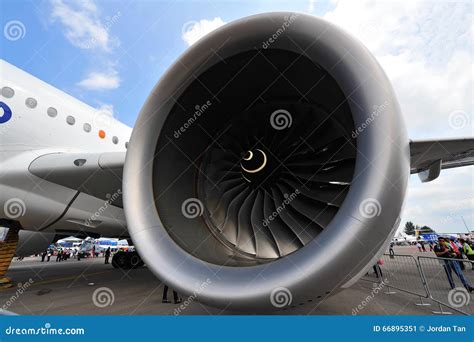
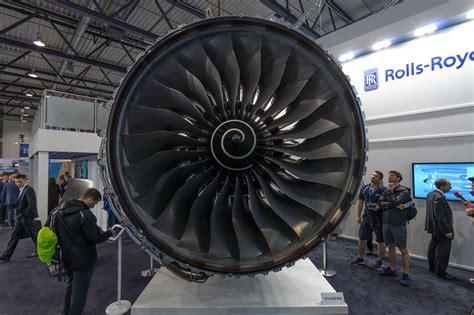
Rolls-Royce’s modern identity is rooted in its Trent engine series, which power aircraft such as the Airbus A330, A340, A350, A380 and the Boeing 787 Dreamliner. Its Trent XWB is the exclusive engine for the Airbus A350, boasting over 99.9% dispatch reliability and lower emissions.
The company was particularly affected by the COVID-19 pandemic, as its business model leans heavily on widebody flying hours and long-term maintenance contracts. The collapse in long-haul travel forced Rolls-Royce to lay off 7,000 staff and restructure its leadership. Nonetheless, it rebounded in 2024 with strong order intake and technological progress.
Currently, Rolls-Royce powers 33% of the active widebody fleet and holds 46% of the widebody backlog. While absent from the narrowbody segment, the firm is actively developing the UltraFan — a next-generation engine family that promises 25% better fuel burn than first-generation Trent engines. Scaled testing on 100% sustainable aviation fuel (SAF) has already begun, and the engine could eventually be adapted for future single-aisle aircraft.
Conclusion: Powering the Future of Aviation
As the aviation industry faces increasing pressure to reduce emissions and improve efficiency, the role of engine manufacturers becomes even more critical. CFM International continues to lead the narrowbody market with unmatched scale. Pratt & Whitney is betting on innovation through geared technology despite facing operational setbacks. General Electric dominates the widebody sector and pushes the boundaries of engineering with the GE9X. Meanwhile, Rolls-Royce, the hallmark of British aviation, is preparing to leap into a new era with the UltraFan.
These four companies don’t just power the planes we fly — they shape the very future of global aviation. With newer, cleaner, and more powerful engines in development, the coming decade will see profound transformations in how people and goods move through the skies.