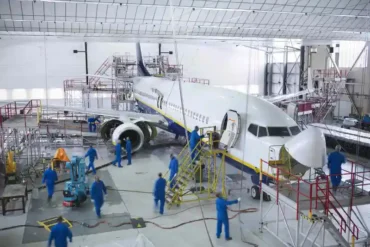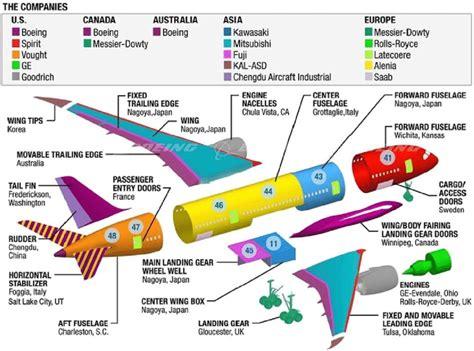
Boeing’s global network of parts manufacturers plays a critical role in ensuring the company remains at the forefront of the aerospace industry. With suppliers spread across multiple continents—including China, Japan, the United States, and Europe—Boeing has built a supply chain that supports the production of its commercial and military aircraft. This intricate web of manufacturers supplies a diverse range of essential components, from fuselage sections and wings to avionics and flight control systems. In this article, we delve into the key manufacturers and explore their roles in Boeing’s production processes, as well as the strategic collaborations that drive innovation and efficiency.
The Role of Chinese Manufacturers in Boeing’s Supply Chain
China has become a pivotal hub for Boeing’s aerospace parts production, with over 300 local suppliers and joint ventures contributing to the assembly of various aircraft models. The significant contributions from Chinese manufacturers account for 30% of all Boeing aircraft components, including critical structural and system parts. Among the major suppliers, the following companies stand out for their contributions to Boeing’s production:
Shenyang Aircraft Industrial Corporation (SAIC)
SAIC is responsible for producing vertical tail fins for the 737 MAX and various components for the 787 Dreamliner. These components play a critical role in the aerodynamics and overall functionality of Boeing’s best-selling aircraft models.
Chengdu Aircraft Industrial Group (CAIG)
CAIG supplies 737 vertical stabilizers and 787 Dreamliner rudders, both of which are integral to the aircraft’s stability and control. These parts are essential for the performance of Boeing’s commercial fleet.
Xi’an Aircraft International Corporation (XAIC)
XAIC manufactures 737 wing components and 747-8 trailing edge ribs, which are crucial for the structural integrity and aerodynamics of these iconic aircraft.
Harbin Aircraft Industry Group (HAIG)
HAIG specializes in producing 787 wing-body fairings and composite materials, which are used to reduce weight and improve fuel efficiency for Boeing’s next-generation aircraft.
Shanghai Aircraft Manufacturing Co. (SAMC)
SAMC provides horizontal stabilizers for the 737 series, contributing to the aircraft’s ability to maintain stability during flight.
AVIC (Aviation Industry Corporation of China)
As a conglomerate, AVIC supplies a broad array of structural components and avionics that are used across multiple Boeing aircraft models. Their wide-ranging contributions are integral to Boeing’s ability to manufacture aircraft with advanced technology and high performance.
Japanese Manufacturers and Their Strategic Impact
Japan plays a central role in Boeing’s aerospace operations, especially in the production of advanced materials and parts. With a focus on precision engineering and innovation, Japanese manufacturers contribute significantly to the production of key Boeing aircraft models. Japan accounts for 35% of the 787’s airframe production, highlighting the importance of Japanese partnerships in Boeing’s global supply chain. Below are some of the leading Japanese manufacturers contributing to Boeing’s production:
Mitsubishi Heavy Industries (MHI)
MHI produces composite wings for the 787 Dreamliner, a vital part of the aircraft that ensures reduced weight and enhanced fuel efficiency. The composite materials used in the wings contribute significantly to the Dreamliner’s performance and environmental sustainability.
Kawasaki Heavy Industries (KHI)
KHI manufactures fuselage sections and carbon fiber components for the 777X and 787. These components are crucial for maintaining the structural integrity of the aircraft and ensuring a lightweight yet durable frame.
Fuji Heavy Industries (FHI)
FHI specializes in manufacturing center wing boxes and other critical structural parts for the 787 Dreamliner. These components are essential for the aircraft’s strength, stability, and overall safety.
The U.S. and European Suppliers: Critical Contributions
The United States and Europe also play key roles in Boeing’s production ecosystem. Companies from both regions supply critical systems, avionics, landing gear, and fuselage components for Boeing’s aircraft. Some of the notable suppliers include:
Spirit AeroSystems (U.S.)
Spirit AeroSystems manufactures fuselages for the 737 MAX and cockpit sections for the 787 Dreamliner. These components are critical for the assembly and functionality of Boeing’s commercial airliners.
Collins Aerospace (U.S./Europe)
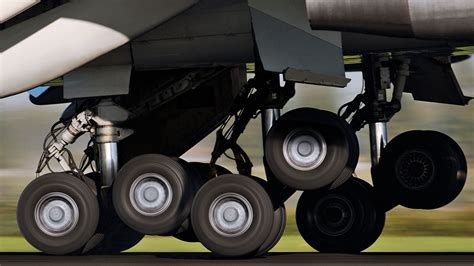
Collins Aerospace provides a range of avionics, landing gear, and cabin systems. These parts are integral to the overall performance and passenger experience of Boeing’s aircraft.
Thales Group (France)
Thales supplies electrical systems and flight control components, ensuring that Boeing aircraft are equipped with cutting-edge technology for enhanced safety and performance.
AVSpares (Global)
AVSpares is a Boeing-affiliated distributor that offers millions of aircraft parts from over 500 suppliers worldwide. Their vast inventory supports Boeing’s maintenance, repair, and overhaul (MRO) operations, ensuring the longevity and reliability of its aircraft.
Strategic Collaborations and Emerging Markets
In addition to the established suppliers in China, Japan, the U.S., and Europe, Boeing has forged strategic collaborations with manufacturers in emerging markets. These partnerships are designed to expand Boeing’s global footprint and mitigate risks by diversifying its supply chain. Key collaborations include:
COMAC (China)
COMAC operates the Zhoushan 737 Completion and Delivery Center in collaboration with Boeing. This facility focuses on the final assembly and interior installations of the 737, demonstrating the deep integration between Boeing and Chinese aerospace manufacturers.
Tata Advanced Systems (India)
Tata Advanced Systems supplies aerostructures and collaborates on Boeing’s defense projects, further cementing the importance of Indian manufacturers in Boeing’s global supply chain.
Boeing’s Stringent Quality Standards
Boeing upholds stringent quality standards to ensure that all parts and components meet the highest safety and performance criteria. Suppliers must adhere to Boeing Aircraft Company (BAC) specifications, as well as international aerospace norms such as AS9100 and MIL-SPEC standards. Some key certification categories include:
BACB30 Series
This series focuses on the production of fasteners and bolts, which are essential for the structural integrity of Boeing aircraft.
BACR15 Series
The BACR15 series covers the production of rivets and structural connectors, which ensure that various aircraft components are securely fastened and able to withstand the forces encountered during flight.
Challenges and Recent Developments in Boeing’s Supply Chain
As Boeing continues to grow and expand its operations, it faces several challenges related to its supply chain. The company has been actively working to diversify its partnerships in Southeast Asia and Eastern Europe to mitigate risks and ensure a steady flow of critical components. Recent developments include the opening of new factories in Romania and Turkey, which are designed to provide additional production capacity and reduce dependence on existing suppliers.
In addition, Boeing is undergoing a digital transition to focus more on core manufacturing. In 2025, Boeing sold parts of its digital aviation solutions to Thoma Bravo, allowing the company to streamline its operations while retaining critical data services for its aircraft fleet.
Conclusion
Boeing’s success in the aerospace industry is made possible by its extensive network of parts manufacturers and strategic partnerships across the globe. From China and Japan to the U.S. and Europe, each region plays a vital role in supporting Boeing’s production of cutting-edge aircraft. As the company continues to navigate challenges and expand into emerging markets, it remains committed to maintaining the highest quality standards and forging innovative collaborations to drive the future of aviation.