The United States military drone market is at a pivotal moment, driven by skyrocketing demand, technological advancements born from modern conflicts, and an influx of eager manufacturers. However, this surge has created an oversaturation that threatens both innovation and the viability of many businesses competing for limited defense dollars.
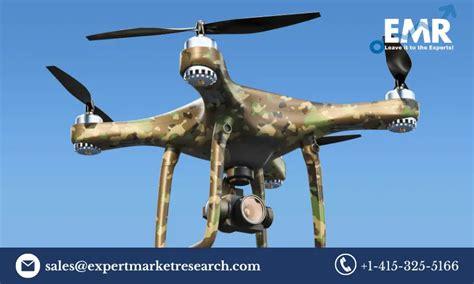
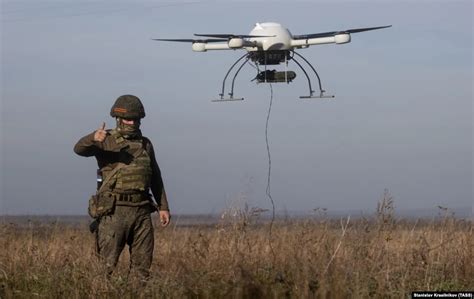
The Pentagon’s heightened interest in small, attritable uncrewed aerial systems (UAS) stems from lessons learned on battlefields like Ukraine, where first-person-view (FPV) drones have reshaped tactics. The demand signals have been clear: the military wants affordable, adaptable, and resilient drones that can thrive in contested environments. But what the Pentagon did not ask for—and what it now faces—is an overwhelming flood of lookalike quadcopters, many offering marginal improvements or merely duplicating existing capabilities.

At the heart of this drone boom lies a fundamental challenge: differentiation. According to industry insiders, many of the hundreds of companies vying for defense contracts are delivering products with minimal differences in performance or design. A defense industry investor who spoke anonymously observed that “in many cases, there may not be significant differences in capability between the products.” This glut of similar platforms strains military procurement processes and frustrates efforts to field the best solutions quickly.
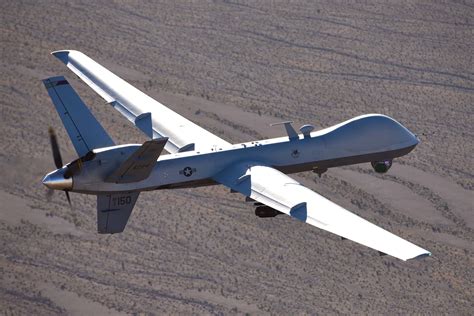
The US Department of Defense (DoD) has long relied on large drones like the MQ-9 Reaper for strategic reconnaissance and strike missions. But recent conflicts have shifted focus to smaller, expendable drones that can swarm enemy positions or deliver pinpoint strikes without risking valuable crewed aircraft. The war in Ukraine, in particular, has served as a proving ground for these technologies, demonstrating how cheap, mass-produced drones can disrupt even well-equipped adversaries.
This battlefield evolution has spurred American firms to race into the small drone sector, developing aircraft, modular payloads, and software intended to outmatch both peer and non-peer competitors. Yet, despite the volume of offerings, only a few are likely to survive in the long term. As one drone maker put it, the landscape resembles the early auto industry: “100 years ago, you had a bunch of companies trying to produce cars, and at the end of the day, the strong survived. I think that’s what you’re starting to see now.”
The Pentagon’s acquisition process adds another layer of complexity. While the DoD publishes guidance on desired systems and capabilities, many current drone projects remain in technology demonstration phases. Once formal programs of record are established, the field will narrow sharply, with contracts awarded to select firms capable of meeting rigorous standards for performance, manufacturability, operational suitability, and affordability.
Competition theoretically drives better products, but it also creates confusion and hesitancy in the investment community. The small drone market has a history of underperformance, with many ventures from the 2010s failing to deliver scalable, cost-effective solutions. Today, even as new startups emerge in response to Ukraine-inspired demand signals, investors remain cautious. “I think investors are a little scared about investing into an industry that historically, for small drones, has not been very profitable,” said one manufacturer.
Ukraine’s drone production model provides a stark contrast. There, local manufacturers churn out hundreds of thousands of drones—often incorporating Chinese components—at low cost, fulfilling an immediate and immense wartime need. The US, constrained by security concerns and the need for domestic supply chains, faces a more measured demand. Unlike Ukraine, the Pentagon is not in urgent need of millions of expendable drones. This reality tempers expectations for high-volume, high-return sales.
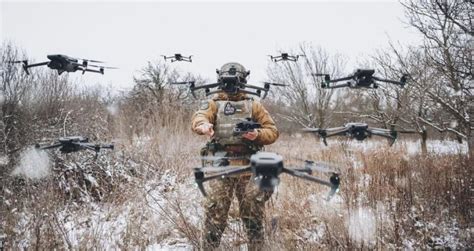
Officials like Sarah Pearson, deputy director for commercial operations at the Defense Innovation Unit (DIU), recognize the market’s limitations. “If the US continues to only purchase 12,000 to 15,000 drones a year, having 300 vendors is probably not going to satisfy market dynamics of returning the majority to those vendors,” she explained. The numbers simply don’t support the survival of so many players.
Indeed, insiders worry that unless the US enters a prolonged, high-intensity conflict, the military’s drone consumption will fall short of sustaining the current boom in manufacturers. “If we buy, call it 10,000 drones, unless we’re in high-intensity conflict,” said one investor, “I don’t necessarily know that I see a world where we’re replacing 10,000 drones every year.” Without that replacement cycle, many businesses could flounder.
As a result, companies are striving to stand out through technical innovation, including better resistance to electronic warfare, modular payload designs, and improved manufacturing scalability. The DoD, for its part, is working to communicate clearly about its needs to prevent wasted effort. As Melissa Johnson, acquisition executive at US Special Operations Command, noted, transparency in solicitations helps align industry solutions with military requirements.
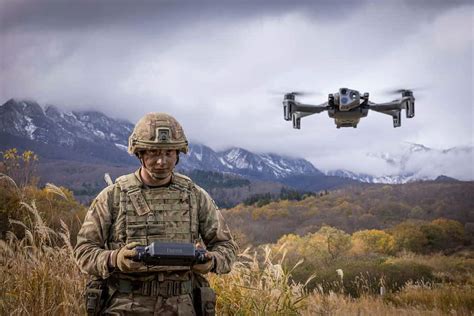
Ultimately, the drone overload facing the Pentagon reflects a broader tension between entrepreneurial enthusiasm and strategic necessity. The Defense Department must navigate this crowded field to select systems that offer genuine battlefield advantage, while industry players face a reckoning: only those who can truly innovate, scale, and meet the Pentagon’s exacting standards will endure beyond this period of exuberance. The stakes are high, and the thinning of the herd appears inevitable.