The modern North American aviation landscape is a living, breathing machine of staggering scale—one powered not just by engines and fuel, but by relentless optimization, strategic foresight, and precision logistics. Every day, thousands of aircraft lift off across the continent, forming a synchronized ballet of departures and arrivals that move millions of passengers across cities, oceans, and continents. At the heart of this immense system are six dominant carriers whose mainline fleets define the very structure of air travel in the region.
Fleet size alone no longer tells the full story. Today’s industry leaders are measured by how intelligently they deploy their aircraft, how aggressively they modernize, and how effectively they align capacity with demand. The introduction of next-generation aircraft like the Airbus A321neo and Boeing 787 Dreamliner has fundamentally reshaped what efficiency and reach mean. Against this backdrop, the six largest mainline fleets in North America reveal not just scale—but strategy, ambition, and the future trajectory of global aviation.
Air Canada: Precision Engineering Meets Global Reach
Air Canada stands as the sixth-largest mainline operator in North America, with a fleet of approximately 222 aircraft. While this number may seem modest compared to its American counterparts, the airline’s strength lies in strategic precision rather than sheer volume. Its fleet is curated with remarkable intent, enabling it to operate efficiently across both niche domestic routes and high-demand international corridors.
The backbone of its narrowbody operations is the Airbus A220-300—a Canadian-built aircraft that perfectly aligns with the airline’s need to serve secondary markets without sacrificing passenger comfort. With over 40 units in operation, this aircraft has become a cornerstone of Air Canada’s domestic and transborder strategy, offering exceptional fuel efficiency and a quieter cabin experience.
On the long-haul front, Air Canada relies heavily on the Boeing 787 Dreamliner and the Boeing 777-300ER. These widebody aircraft power its transatlantic and transpacific routes, connecting major hubs like Toronto and Vancouver to Europe, Asia, and beyond. The airline’s recent commitment to acquiring Airbus A350-1000s and Boeing 787-10s signals a bold push toward long-haul modernization and increased capacity.
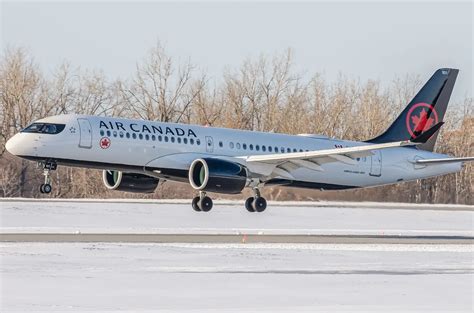
What truly sets Air Canada apart is its ability to punch above its weight internationally. Rather than competing directly with U.S. giants on domestic scale, it has carved out a powerful niche as a global connector for the northern half of the continent. Its hubs function as gateways to Eurasia and South America, proving that a well-balanced fleet can rival even the largest operators in influence.
Alaska Airlines & Hawaiian Airlines: A Strategic Pacific Powerhouse
With a combined mainline fleet of approximately 413 aircraft, the Alaska Air Group—following its integration with Hawaiian Airlines—has emerged as a uniquely positioned player in North American aviation. This alliance represents more than just a numerical increase; it is a geographical and operational transformation that bridges the continental United States with the vast Pacific.
Alaska Airlines contributes a strong narrowbody foundation, primarily centered on the Boeing 737 family. With nearly 250 aircraft, including an increasing number of 737 MAX variants, the airline maintains high-frequency, cost-efficient operations along the West Coast and beyond. Its strength lies in connectivity, linking smaller cities to major hubs with impressive reliability.
Hawaiian Airlines, on the other hand, introduces a critical widebody dimension. Its fleet of Airbus A330-200s and upcoming Boeing 787-9s enables long-haul flights across the Pacific, connecting Hawaii to Asia and North America. This combination allows the group to operate across vastly different mission profiles—from short-haul domestic hops to ultra-long-haul transoceanic routes.
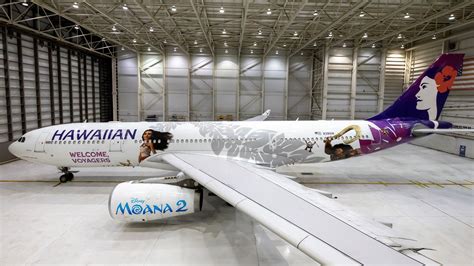
The synergy between these two brands creates a powerful network that is greater than the sum of its parts. By leveraging Alaska’s efficiency and Hawaiian’s reach, the group has established itself as a dominant Pacific gateway, particularly as it expands into Japan and other East Asian markets. This hybrid model offers a glimpse into the future of airline consolidation—where complementary strengths unlock entirely new strategic possibilities.
Southwest Airlines: The Power of Simplicity at Scale
Southwest Airlines occupies the fourth position with an impressive fleet of around 800 aircraft. What makes this achievement extraordinary is its unwavering commitment to a single-aircraft-type strategy. Every plane in its fleet is a Boeing 737, making Southwest the largest operator of this aircraft family in the world.
This uniformity is not just a quirk—it is a competitive weapon. By standardizing its fleet, Southwest dramatically reduces maintenance complexity, simplifies pilot training, and streamlines operations across its entire network. The result is a high-frequency, point-to-point system that excels in domestic connectivity.
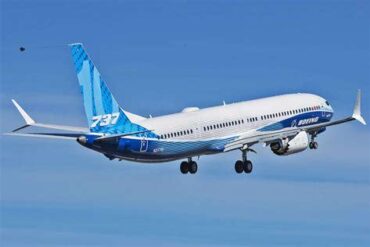
The airline is currently undergoing a significant modernization effort, gradually replacing older 737-700 models with the more efficient 737 MAX 8. These newer aircraft offer improved fuel burn, extended range, and enhanced passenger comfort, reinforcing Southwest’s ability to remain competitive in an increasingly demanding market.
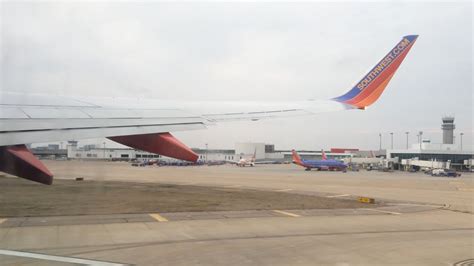
Despite lacking widebody aircraft, Southwest has mastered its niche. Its operations are largely confined to domestic and near-international routes, but within that space, it is virtually unmatched in volume and frequency. The airline’s success proves that simplicity, when executed at scale, can rival even the most complex global networks.
Delta Air Lines: The Art of Balanced Fleet Strategy
With 996 aircraft, Delta Air Lines secures the third spot while showcasing one of the most balanced and diversified fleets in the industry. Unlike competitors that lean heavily toward a single manufacturer, Delta strategically operates a mix of Airbus and Boeing aircraft, giving it unmatched flexibility in fleet deployment.
The airline is actively modernizing its narrowbody fleet with the Airbus A321neo, which has quickly become the preferred choice for high-demand transcontinental routes. These aircraft deliver significant gains in fuel efficiency and passenger experience, making them ideal replacements for aging Boeing 757s.
On the widebody side, the Airbus A350-900 plays a pivotal role in Delta’s long-haul operations. These aircraft are optimized for international travel, particularly on routes connecting North America to Asia and Europe. Delta’s presence at Tokyo Haneda Airport underscores its strategic focus on premium international markets, where yield often outweighs sheer volume.

Delta’s approach is defined by a deliberate emphasis on premium revenue streams. Rather than chasing the largest fleet size, the airline prioritizes aircraft that maximize profitability and passenger satisfaction. This philosophy has allowed it to maintain a strong global presence while operating one of the most modern fleets in North America.
American Airlines: The Master of Domestic Connectivity
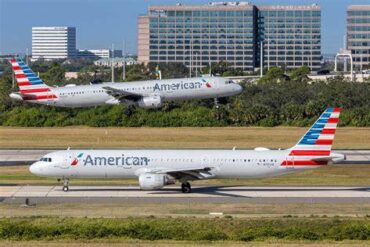
American Airlines claims the second-largest fleet in North America, with approximately 1,021 aircraft. Its scale is immense, but its true strength lies in its ability to connect the American heartland through an unparalleled domestic network.
The airline’s narrowbody fleet is its backbone, with over 700 aircraft from the Airbus A320 family and Boeing 737 series. These aircraft enable high-frequency service between major hubs such as Dallas/Fort Worth, Charlotte, and Miami, creating a dense web of connectivity that feeds passengers into its international routes.
A key component of American’s forward strategy is the Airbus A321XLR. This long-range narrowbody aircraft allows the airline to open thinner transatlantic routes that would not be viable with larger widebodies. It represents a shift toward more flexible and efficient international expansion, particularly from East Coast hubs.
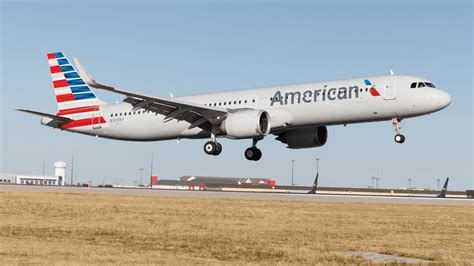
While its widebody fleet—composed of Boeing 787s and 777s—supports long-haul operations, American’s dominance is firmly rooted in its domestic scale. Its network acts as a powerful feeder system, ensuring that passengers from smaller cities can seamlessly access global destinations. This integration of regional and mainline operations is what keeps American firmly at the top tier of global aviation.
United Airlines: Redefining Scale and Premium Ambition
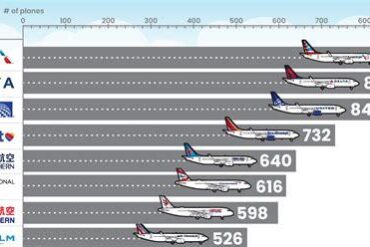
At the pinnacle of North American aviation stands United Airlines, with a staggering fleet of 1,094 aircraft. This achievement cements its position not only as the largest operator on the continent but also as a global leader in fleet scale and modernization.
The driving force behind this expansion is the United Next strategy—a comprehensive initiative aimed at transforming the airline’s fleet and passenger experience. Since 2021, United has introduced hundreds of new aircraft, including Boeing 737 MAX variants and Airbus A321neos, significantly enhancing its narrowbody capabilities.
However, the most ambitious aspect of United’s growth lies in its widebody expansion. With dozens of Boeing 787 Dreamliners entering service, the airline is undertaking the largest widebody renewal program in U.S. history. These aircraft are replacing older models while enabling longer, more efficient routes across the globe.
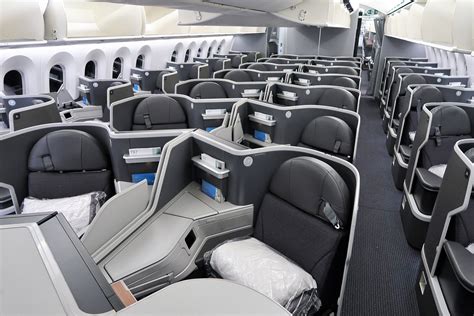
United’s strategy goes beyond numbers. Its “Elevated” interior concept is redefining the onboard experience, offering more premium seating than any competitor in North America. This focus on high-yield passengers is particularly evident on transpacific and transatlantic routes, where comfort and service command a premium.
By leveraging hubs like Tokyo Narita, United has positioned itself as a critical bridge between North America and Asia. Its ability to combine massive scale with a refined passenger experience sets a new benchmark for what a global airline can achieve.
The Future of Fleet Dominance in North America
The six largest mainline fleets in North America are more than just numbers—they are strategic ecosystems that reflect the evolving priorities of the aviation industry. From Air Canada’s precision-driven approach to United’s expansive ambition, each carrier demonstrates a unique philosophy on how to balance growth, efficiency, and passenger experience.
A clear trend emerges across all six: modernization is no longer optional—it is essential. The shift toward fuel-efficient aircraft, flexible route planning, and enhanced onboard experiences is reshaping the competitive landscape. Airlines that fail to adapt risk falling behind, regardless of their current size.
Equally important is the role of network design. Whether it is Southwest’s high-frequency domestic model, Delta’s premium international focus, or American’s vast connectivity grid, each airline leverages its fleet in a way that aligns with its broader strategic vision.
In the end, dominance in North American aviation is not defined solely by fleet size. It is determined by how effectively those aircraft are used to connect people, optimize resources, and deliver value. And as these six giants continue to evolve, they are not just shaping the future of air travel—they are redefining what it means to lead the skies.