The modern global economy moves at the speed of air freight. From high-value electronics to life-saving pharmaceuticals, the backbone of international trade increasingly depends on vast, highly coordinated cargo airline networks. In 2026, the industry is defined not just by size, but by strategic fleet composition, operational efficiency, and a decisive pivot toward next-generation freighters.
Across the sector, a powerful trend has emerged: the dominance of fuel-efficient, long-range twin-engine aircraft. Models like the Boeing 777F are steadily replacing aging giants such as the McDonnell Douglas MD-11, signaling a broader transformation driven by cost pressures, environmental regulations, and the relentless surge in global e-commerce demand.
What follows is a deep, detailed exploration of the world’s largest cargo fleets—how they operate, why they dominate, and what their strategies reveal about the future of global logistics.
The Rising Power of Cargo Aviation in a Digitally Driven World
Air cargo is no longer a supporting act to passenger travel—it is a primary engine of profitability and resilience. The explosion of e-commerce, accelerated supply chains, and demand for rapid delivery have reshaped airline priorities. Integrators and hybrid carriers alike are investing heavily in freighter fleets, digital infrastructure, and specialized logistics capabilities.
The competitive landscape is no longer just about fleet size. It’s about how effectively those aircraft are deployed within global networks, how quickly they can adapt to shifting demand, and how efficiently they can operate in an increasingly cost-sensitive environment.
Operators Just Outside the Top Tier Still Shaping the Industry
Before examining the largest fleets, it’s impossible to ignore the influential players just below the top five. These airlines may lack the sheer scale of industry giants, but they excel in specialization, flexibility, and niche dominance.
Atlas Air stands out with a fleet of 86 aircraft and a business model centered on charter services and wet leasing. As the world’s largest operator of the Boeing 747, it offers unmatched heavy-lift capability, including nose-loading operations that remain essential for oversized cargo. Its forward-looking investment in the Airbus A350F signals a clear transition toward more efficient, long-haul solutions.
Meanwhile, Cargolux continues to dominate the European all-cargo market with an all-747 fleet, focusing on high-value and oversized shipments that require precision handling and deep expertise. Amazon Air, with around 100 aircraft, represents a different kind of disruption—an e-commerce-driven logistics machine designed to control the supply chain end-to-end.
Smaller but innovative operators like European Cargo demonstrate how niche strategies can thrive. By operating converted Airbus A340 freighters, the airline leverages cost-effective long-haul capacity while expanding regional connectivity, particularly between the UK and Asia.
FedEx Express: The Undisputed Giant of Global Air Cargo
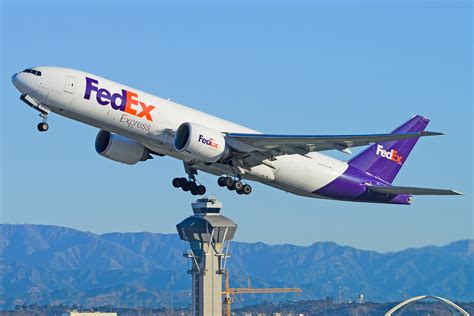
At the top of the industry sits FedEx Express, operating an astonishing 473 aircraft. When its feeder network is included, that number approaches 700—making it not just the largest cargo airline, but one of the most expansive aviation operations of any kind.
Its dominance is rooted in a meticulously engineered hub-and-spoke system, anchored by the legendary “SuperHub” in Memphis. This facility operates as a logistical heartbeat, synchronizing flights from across the globe into a tightly coordinated distribution network.
A defining feature of FedEx’s fleet is its heavy reliance on the Boeing 767-300F, with nearly 150 in service. This aircraft strikes a precise balance between capacity and efficiency, making it ideal for high-frequency routes. For ultra-long-haul missions, the Boeing 777F provides unmatched range and payload capability.
Despite its scale, FedEx is not standing still. The airline is aggressively modernizing its fleet, phasing out older aircraft like the MD-11 in favor of more efficient twin-engine freighters. This transition is not just about cost savings—it’s about maintaining operational dominance in a market where efficiency defines competitiveness.
UPS Airlines: Precision Logistics Backed by Strategic Consistency
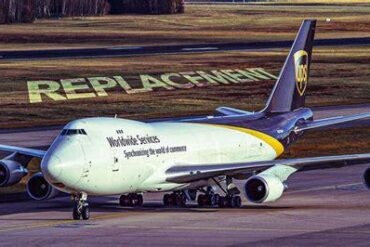
UPS Airlines holds the second position globally with 272 aircraft, but its strength lies in integration rather than sheer size. Its air operations are seamlessly connected to one of the most sophisticated ground logistics networks in existence, enabling true door-to-door delivery across more than 220 countries.
Unlike its competitors, UPS has maintained a strong commitment to the Airbus A300, using it extensively on high-density regional routes. This decision reflects a strategy focused on maximizing asset value while maintaining operational reliability.
For long-haul operations, UPS relies heavily on the Boeing 747, leveraging its exceptional payload capacity for transcontinental routes. While many airlines have shifted toward twin-engine aircraft, UPS has taken a more measured approach, balancing modernization with cost control.
This strategy has allowed UPS to remain highly competitive, though the pressure to transition toward newer, more efficient aircraft is steadily increasing. The next decade will likely see a more accelerated evolution in its fleet composition.
DHL Aviation: A Decentralized Network Built for Global Flexibility
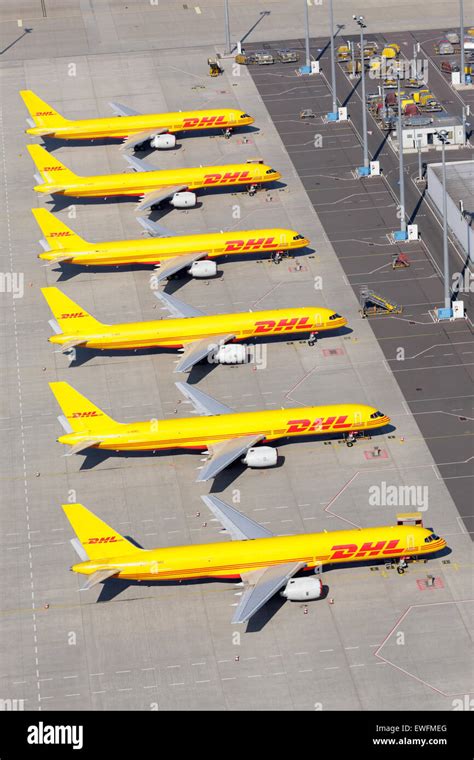
DHL Aviation occupies a unique position with a fleet of 210 aircraft operated through a decentralized network of partner airlines. This structure allows it to adapt rapidly to regional market conditions and regulatory environments, offering a level of flexibility unmatched by more centralized competitors.
Its primary hubs in Leipzig and Cincinnati serve as critical nodes in a vast global network connecting Europe, the Americas, Asia, and Africa. These hubs process enormous volumes of freight, acting as high-efficiency transfer points for time-sensitive shipments.
DHL’s fleet diversity is both a strength and a strategic choice. By operating a mix of older and newer aircraft, including early-generation Boeing 767 variants, the airline balances cost efficiency with operational capability. This approach allows DHL to scale capacity dynamically while maintaining competitive pricing.
Qatar Airways Cargo: The Hybrid Model Redefining Efficiency
Qatar Airways Cargo represents a different paradigm—one where dedicated freighters are complemented by the cargo capacity of a massive passenger fleet. With 30 dedicated freighters and access to over 160 passenger destinations, it has built one of the most versatile cargo networks in the world.
The airline has fully embraced the Boeing 777F, phasing out older aircraft like the Boeing 747-8F to standardize its long-haul operations. This move enhances efficiency, reduces maintenance complexity, and improves fuel performance.
Beyond fleet strategy, Qatar Airways Cargo has invested heavily in specialized logistics solutions. From temperature-controlled pharmaceutical transport to live animal handling, its services are designed to meet the increasingly complex demands of global trade.
Its order for the next-generation Boeing 777-8F underscores a long-term commitment to growth, efficiency, and technological advancement.
Emirates SkyCargo: Leveraging Passenger Networks for Maximum Reach
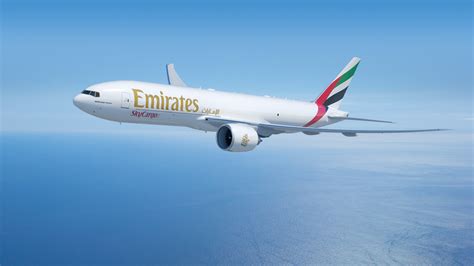
Emirates SkyCargo may operate just 13 dedicated freighters, but its true strength lies in integration. By utilizing the cargo capacity of Emirates’ extensive passenger fleet, it achieves a level of global reach that rivals much larger operators.
Its freighter fleet is centered on the Boeing 777F, supported by occasional wet-leased Boeing 747 aircraft for peak demand. This hybrid model allows for remarkable flexibility, enabling the airline to scale capacity in response to market fluctuations.
A key pillar of its strategy is the conversion of Boeing 777-300ER passenger aircraft into freighters. This initiative is expected to significantly expand capacity while optimizing asset utilization.
In parallel, Emirates SkyCargo continues to invest in advanced logistics infrastructure and specialized services, particularly for high-value and sensitive cargo. Its rapid expansion reflects a broader industry trend: the growing importance of air freight as a core revenue stream.
The Strategic Shift Toward Next-Generation Freighters
One of the most defining trends across all major cargo airlines is the transition toward next-generation aircraft. The Boeing 777F has emerged as the industry standard for long-haul operations, offering a powerful combination of range, payload, and fuel efficiency.
At the same time, upcoming models like the Airbus A350F and Boeing 777-8F promise even greater performance gains. These aircraft are designed to meet stricter environmental standards while delivering lower operating costs—an essential advantage in a competitive market.
This shift is not optional. Airlines that fail to modernize risk falling behind as fuel prices fluctuate, emissions regulations tighten, and customer expectations evolve.
What Defines True Dominance in Air Cargo Today
Fleet size alone no longer guarantees leadership. The most successful cargo airlines combine scale with strategic clarity, operational efficiency, and technological innovation.
Key characteristics of today’s dominant players include:
- Integrated logistics networks that connect air and ground operations seamlessly
- Fleet flexibility to adapt quickly to changing demand
- Investment in next-generation aircraft for long-term sustainability
- Specialized cargo solutions for high-value and sensitive goods
These factors collectively determine how effectively an airline can compete in a market where speed, reliability, and efficiency are paramount.
Conclusion: The Future of Global Cargo Fleets Is Already Taking Shape
The world’s largest cargo airlines are not just responding to demand—they are actively shaping the future of global logistics. Through strategic fleet modernization, network optimization, and relentless innovation, they are redefining what is possible in air freight.
As e-commerce continues to expand and supply chains become more complex, the importance of these fleets will only grow. The next decade will likely bring even greater consolidation, technological advancement, and competition.
One thing is certain: in the race to move the world’s goods faster and more efficiently, these cargo giants are setting the pace—and they show no signs of slowing down.