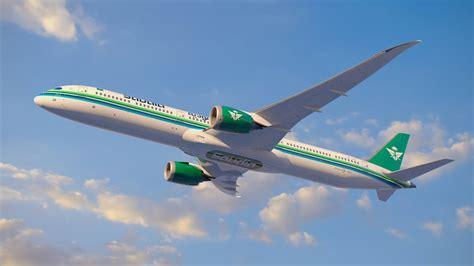
American Airlines has officially stepped into the future of aviation, aligning itself with industry titans—Delta Air Lines, Lufthansa, Singapore Airlines, Emirates, Qantas, and AirAsia—in a high-stakes effort to transform the air travel experience through cutting-edge technology. This bold alliance signals more than a collaborative upgrade; it represents a global technological arms race to redefine convenience, safety, and efficiency in aviation.
The transformation now underway is not theoretical—it’s real, rapidly unfolding, and poised to impact millions of travelers worldwide as early as this summer. From AI-powered rebooking to biometric security and intelligent mobile apps, the Next Gen air travel ecosystem is emerging as the new baseline standard.
A Historic Shift: Tech as the New Flight Plan
American’s decision to synchronize innovation strategies with competitors and collaborators across continents marks a historic inflection point in commercial aviation. The convergence is rooted in the necessity to overcome travel pain points that have plagued flyers for decades: long wait times, inconsistent information, fragmented bookings, and chaotic rebooking during disruptions.
Unlike past decades where operational upgrades occurred in silos, this multi-airline push reflects a unified global intent. What binds these aviation giants together isn’t alliance structure but the shared urgency to evolve amidst soaring passenger volumes and rising expectations.
American’s Mobile App Overhaul: More Than Skin Deep
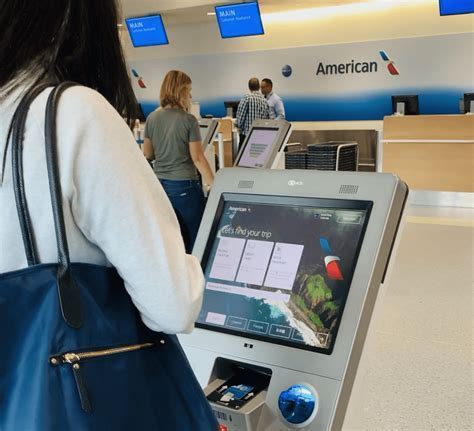
At the core of American’s transformation is its redesigned mobile app, now capable of real-time updates and seamless integrations with oneworld partners. Beyond cosmetic enhancements, the app includes live tracking through iOS Live Activities—providing gate notifications, baggage updates, and even boarding status in one unified feed.
What truly sets it apart is the cross-airline check-in feature. For the first time, customers flying on select partner carriers can check in and retrieve boarding passes through a single digital interface. This unprecedented level of integration points to the larger vision: frictionless, global travel underpinned by synchronized technology.
Next-Gen Kiosks: Speed Meets Intelligence
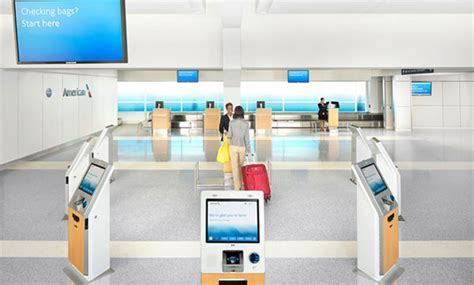
American has also introduced smart kiosks in major hubs such as Dallas Fort Worth, Miami, and New York JFK. These are not simple check-in machines—they are AI-optimized platforms designed to cut processing time to under two minutes. For travelers who pay for bags online, the speed becomes nearly instant.
Beyond sheer velocity, the kiosks are engineered to reduce crowding and eliminate confusion. They reflect a deep rethinking of airport flow and user experience during high-volume seasons.
AI Assistant: The Game-Changer for Disruption Management
One of the most revolutionary tools being tested is American’s AI-powered chat assistant, which aims to solve the age-old headache of weather-related cancellations and delays. This is not a rudimentary chatbot—it’s a generative AI system that delivers hyper-personalized, real-time rebooking and travel solutions.
This assistant monitors each traveler’s itinerary and offers dynamic options during disruptions. Gone are the days of being stranded at the gate. Now, rebooking, hotel vouchers, and compensation appear inside the app instantly—without waiting in line or calling a representative.
Proactive Operations: AI at the Hub Level
Behind the scenes, American’s use of predictive analytics at airports like Charlotte and Dallas is quietly revolutionizing operations. These AI systems identify flights with tight connections and trigger minor gate delays to ensure more passengers make their flights.
Rather than reacting to missed connections, American is now preventing them in real time—a subtle but powerful shift that saves thousands of travelers from stress and logistical nightmares. These efforts are expected to expand to additional hubs before the summer peak.
Frictionless Recovery: Speed, Simplicity, and Confidence
When plans still go awry, American’s mobile-first recovery system makes the process remarkably painless. The updated app provides travelers with instant rebooking options and auto-allocates vouchers for hotels, meals, or transportation.
There’s no human bottleneck, no need to scramble. Everything happens within seconds—giving passengers a renewed sense of control and eliminating much of the frustration tied to modern air travel mishaps.

Touchless Travel: The Rise of Biometric ID
In partnership with local and federal agencies, American is now rolling out Touchless ID for AAdvantage® members. This biometric solution allows travelers to verify identity through facial recognition, removing the need for physical documents at several checkpoints.
This initiative is a leap toward paperless, seamless air travel, reducing both time and security risk. For frequent flyers, it’s not just a convenience—it’s a tangible improvement to both safety and speed.
Why the Timing Is Critical
The post-pandemic travel boom has created a perfect storm of high demand, labor shortages, and aging infrastructure. With U.S. airports handling over 2.8 million daily travelers in 2023—and that number expected to rise 10–15% in 2025—there is no room for inefficiency.
Passengers are no longer tolerating long lines or vague app notifications. They demand clarity, agility, and instant problem-solving. American’s high-stakes transformation isn’t just strategic—it’s survival-driven.
Leading Hubs Take the First Leap
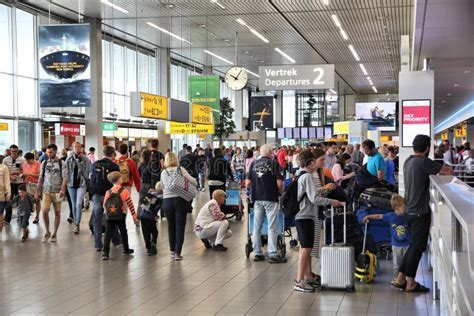
Charlotte and Dallas are serving as testbeds for this future-focused rollout. These mega-hubs, which handle massive volumes of connecting flights daily, now boast faster check-in flows, reduced queue times, and better connection management.
Even in challenging airports like Phoenix and Miami, AI systems and rapid kiosks are reducing stress on ground staff and travelers alike. The improvements aren’t theoretical—they are already making measurable impacts on traveler satisfaction scores and operational efficiency.
Global Implications: Cooperation, Not Competition
American’s partnership with Delta, Lufthansa, Singapore, Emirates, Qantas, and AirAsia transcends rivalries. These airlines are working on interoperable digital ecosystems, shared biometric standards, and unified disruption response tools.
This unprecedented level of coordination will lead to globally harmonized travel—allowing passengers to move across countries and carriers with a single digital identity and synchronized experience.
It’s a vision that seemed distant only five years ago. Today, it’s not only feasible—it’s beginning to take shape.
A Blueprint for the Industry
The transformation underway at American is not an endpoint—it’s a blueprint for others to follow. Airlines that fail to adapt will find themselves outpaced and outdated. The race is on, and the bar has been raised.
Travelers, for the first time in decades, are witnessing a true reimagination of air travel. Not just through flashy apps or robot check-ins, but in a fundamental shift toward human-centric, technology-empowered journeys.
Conclusion: A New Dawn for Travelers
From check-in to touchdown, American’s technology-first strategy is crafting a more intelligent, reliable, and enjoyable flying experience. As biometric tools, AI systems, and predictive operations go mainstream, the ripple effects will be felt worldwide.
The Next Gen air travel model isn’t a futuristic dream anymore—it’s being deployed in real-time, and travelers are already reaping the benefits. For an industry so often bogged down in delay and complexity, this marks a new era of clarity, speed, and empowerment.
In a world where every minute matters, American and its global peers are proving that the future of flying isn’t just faster—it’s finally smarter.