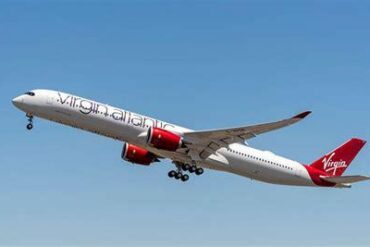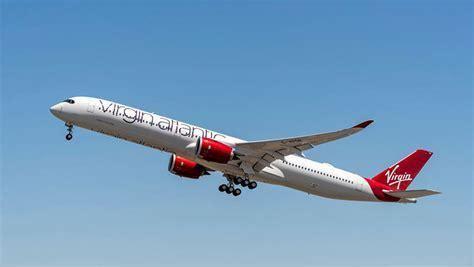
Virgin Atlantic is dramatically reshaping its long-haul strategy for 2026, unveiling a route network centered around ultra-long-range flying from London Heathrow. With new services stretching deep into Asia and reinforced operations across Africa, the airline is entering a new era where flights lasting more than 14 hours are no longer rare headline-grabbers but central pillars of its international expansion.
The standout addition is Virgin Atlantic’s brand-new nonstop connection between Seoul Incheon International Airport and London Heathrow. Scheduled at an enormous 14 hours and 30 minutes westbound, the route instantly becomes the carrier’s longest scheduled service ever. It also signals a major strategic move into one of Asia’s most competitive and commercially valuable aviation markets.
At the same time, the airline is doubling down on premium leisure demand with new Thailand services, strengthening its South African presence, and increasing frequencies to India. Combined with fleet modernization centered on the Boeing 787-9 and Airbus A350-1000, Virgin Atlantic’s 2026 schedule reveals an airline aggressively evolving beyond its traditional North Atlantic identity.
The result is a route map increasingly designed around endurance, efficiency, and global connectivity.
By 2026, Virgin Atlantic’s longest flights will connect London with destinations spanning East Asia, Southern Africa, the Indian subcontinent, the Caribbean, and the US West Coast. These are not simply long routes for the sake of distance. They reflect where the airline sees premium demand, tourism growth, and strategic competitive opportunity over the next decade.
Seoul Becomes Virgin Atlantic’s Longest Flight Ever
Virgin Atlantic’s launch of daily nonstop flights between London Heathrow and Seoul Incheon is one of the airline’s most important route announcements in years. The westbound leg from South Korea to the United Kingdom will operate with a scheduled block time of 14 hours and 30 minutes, making it the longest route in the airline’s entire network.
The new service marks Virgin Atlantic’s first-ever entry into South Korea, placing the airline directly into one of Asia’s largest aviation and technology markets. Seoul has evolved into a global business hub while simultaneously becoming a powerhouse destination for tourism, entertainment, fashion, and cultural exports driven by the worldwide rise of Korean media and K-pop.
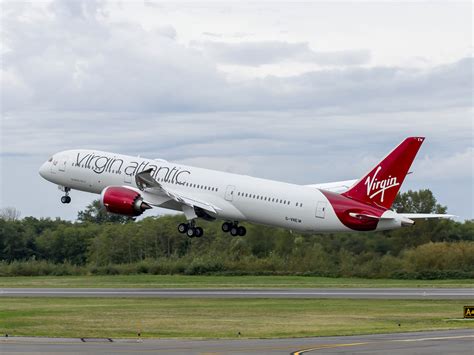
Virgin Atlantic plans to operate the route using its Boeing 787-9 Dreamliner fleet, an aircraft specifically optimized for long-haul efficiency. The aircraft’s lower cabin altitude, larger windows, and improved humidity systems are especially important on flights lasting nearly 15 hours, where passenger comfort becomes a critical competitive factor.
The Seoul expansion also strengthens Heathrow’s role as a transfer gateway for passengers connecting onward to Europe and North America. Rather than merely targeting point-to-point traffic, Virgin Atlantic appears to be positioning the route as a broader strategic connector between East Asia and its transatlantic network.
Competition on Europe–Korea routes has intensified in recent years, but Virgin Atlantic is entering the market with a strong premium brand identity and a growing partnership ecosystem that could help the service mature quickly.
Phuket Flights Signal Booming Luxury Leisure Demand
Virgin Atlantic’s second-longest route for 2026 will connect Phuket International Airport with London Heathrow. Scheduled at 13 hours and 40 minutes, the service reflects the explosive rebound in premium leisure travel across Southeast Asia.
Beginning October 18, the route will initially operate three times weekly, targeting British travelers seeking direct access to Thailand’s southern resort region without the inconvenience of connections through Bangkok or Middle Eastern hubs.
Phuket has transformed from a seasonal tourism market into a year-round luxury destination attracting affluent travelers, remote workers, and extended-stay visitors. Virgin Atlantic’s decision to launch nonstop service demonstrates how airlines increasingly view leisure passengers as equally valuable as corporate travelers on long-haul routes.
The route also illustrates a broader trend across global aviation: airlines are prioritizing high-yield leisure destinations capable of supporting premium cabin demand. Travelers booking ultra-long-haul vacations are often willing to pay extra for direct flights, upgraded seating, and enhanced onboard experiences.
For Virgin Atlantic, Phuket provides an opportunity to capture a lucrative market segment while diversifying away from intense transatlantic competition.
South Africa Remains A Core Long-Haul Market
While the new Asian services dominate headlines, South Africa continues to form the backbone of Virgin Atlantic’s long-range operations. Cape Town and Johannesburg remain among the airline’s busiest and most strategically important destinations outside North America.
Cape Town flights will reach up to 11 weekly frequencies during the winter season, with the route maintaining a scheduled duration of approximately 12 hours. The city’s combination of tourism demand, premium leisure travel, and strong UK-South Africa cultural ties continues to make it one of Virgin Atlantic’s strongest long-haul performers.
Johannesburg will also receive expanded service, climbing to as many as 10 weekly flights in 2026. The route serves a mix of corporate traffic, cargo demand, and visiting friends and relatives travel, all of which provide resilience across changing economic conditions.
These South African services are particularly important because they help balance Virgin Atlantic’s network seasonally. While some transatlantic markets fluctuate heavily depending on business cycles, South Africa delivers a more diversified traffic base that supports stable long-haul operations year-round.
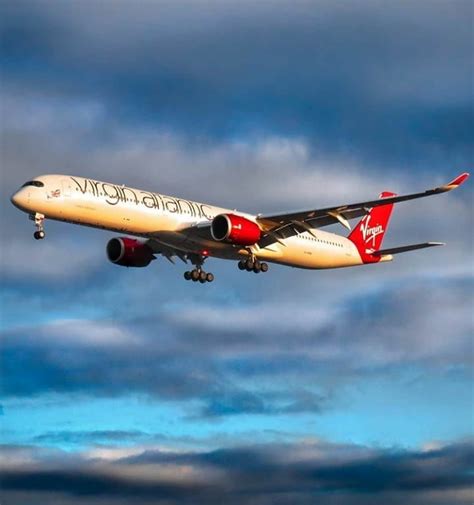
The airline is expected to deploy a combination of Airbus A350-1000s and Boeing 787-9 aircraft on these routes, giving passengers access to upgraded cabins and improved fuel-efficient operations.
Caribbean Routes Continue Playing A Major Role
Several of Virgin Atlantic’s longest flights in 2026 are not nonstop point-to-point services but multi-stop Caribbean operations linking Barbados with Antigua, Grenada, or Saint Vincent.
These routes may not receive the same global attention as Seoul or Phuket, yet they remain commercially vital within the airline’s broader leisure strategy. Flights combining London Heathrow with Barbados and onward Caribbean destinations can exceed 11 hours due to routing complexity, operational scheduling, and regional stopovers.
The Caribbean has long been one of Virgin Atlantic’s strongest leisure markets, particularly among UK holiday travelers seeking winter sun destinations. The airline’s continued investment in these services suggests sustained confidence in demand despite growing competition from British Airways and leisure-focused carriers.
Importantly, Virgin Atlantic is increasingly rotating newer Airbus A330neos onto these routes. The aircraft offers lower operating costs and improved passenger comfort, helping the airline maintain profitability even on operationally challenging multi-sector flights.
Bengaluru Emerges As A High-Frequency Success Story
India is becoming one of the fastest-growing segments of Virgin Atlantic’s long-haul network, and Bengaluru stands out as a particularly significant success.
Flights between Bengaluru and London Heathrow are scheduled at around 11 hours and 15 minutes, with frequencies climbing to as many as 13 weekly services during 2026. That places Bengaluru among the airline’s highest-frequency destinations globally.
The city’s booming technology sector and strong business ties with the United Kingdom continue driving premium cabin demand. At the same time, substantial visiting friends and relatives traffic ensures steady economy-class occupancy throughout the year.
Virgin Atlantic’s aggressive growth in India demonstrates how airlines increasingly view the subcontinent as one of the most strategically important long-haul markets worldwide. Rising middle-class wealth, expanding corporate investment, and increasing international mobility are creating enormous opportunities for carriers capable of sustaining frequent long-range operations.
Los Angeles Remains The Essential West Coast Giant
Even as Virgin Atlantic expands aggressively into Asia and Africa, Los Angeles remains one of the airline’s flagship intercontinental routes.
Flights from Heathrow to Los Angeles International Airport continue to rank among the network’s longest at roughly 11 hours and 45 minutes. During peak periods, Virgin Atlantic plans to operate up to three daily departures, underscoring the enduring strength of the London–Los Angeles corridor.
The route blends corporate travel, entertainment industry traffic, tourism, and premium leisure demand into one of the world’s most lucrative long-haul markets. Virgin Atlantic has historically maintained a strong presence in Los Angeles, and the 2026 schedule confirms that the airline still views the city as a cornerstone destination.
Unlike some newer leisure-focused routes, Los Angeles provides exceptionally strong premium revenue opportunities, particularly in Upper Class and premium economy cabins.
Fleet Modernization Is Powering The Expansion
Virgin Atlantic’s ultra-long-haul ambitions would not be possible without a modernized fleet strategy centered on fuel efficiency and operational flexibility.
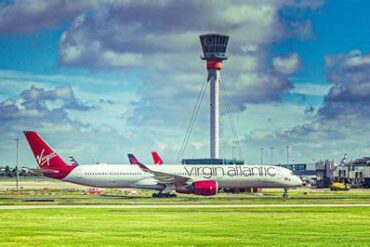
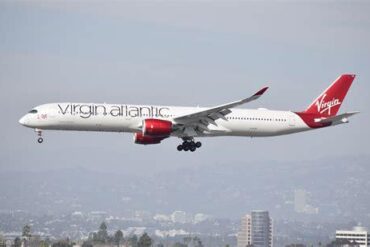
The Boeing 787-9 remains the workhorse for many of the airline’s longest routes, particularly new Asian services such as Seoul. Meanwhile, Airbus A350-1000 aircraft continue expanding across premium long-haul sectors, offering improved economics alongside upgraded passenger experiences.
The Airbus A330neo is also becoming increasingly important across leisure-heavy destinations, especially within the Caribbean network. Its lower fuel burn and extended range capabilities allow Virgin Atlantic to maintain profitability on routes that would have been far more difficult to sustain a decade ago.
By combining new-generation aircraft with carefully selected high-demand destinations, Virgin Atlantic is transforming itself into a more diversified global carrier. The 2026 network reveals an airline no longer defined solely by transatlantic flying but by its ability to connect London with some of the world’s most distant and commercially valuable markets.
As passenger demand for nonstop ultra-long-haul travel continues growing, Virgin Atlantic appears ready to push even further into the era of marathon flights.