When it comes to long-haul travel from the United Kingdom, few rivalries feel as intensely competitive and closely matched as British Airways vs Virgin Atlantic. Both carriers dominate transatlantic skies, both promise a refined step above economy, and both aggressively market their premium economy cabins as the sweet spot between affordability and comfort.
But when the cabin lights dim and the seat reclines, only one question truly matters: which airline actually delivers the superior premium economy experience?
Cabin Design and Seat Comfort: Subtle Differences, Serious Impact
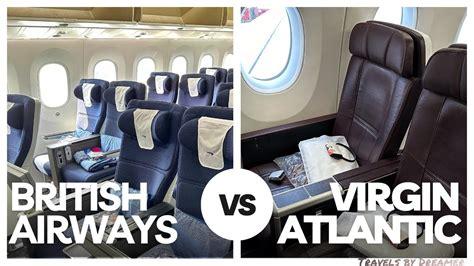
At first glance, the premium economy cabins of both airlines appear remarkably similar on paper. Seat pitch hovers around 38 inches, width sits close to 18.7 inches, and recline typically reaches 8 inches. Yet, the reality of comfort lies in design philosophy, materials, and execution—not just measurements.
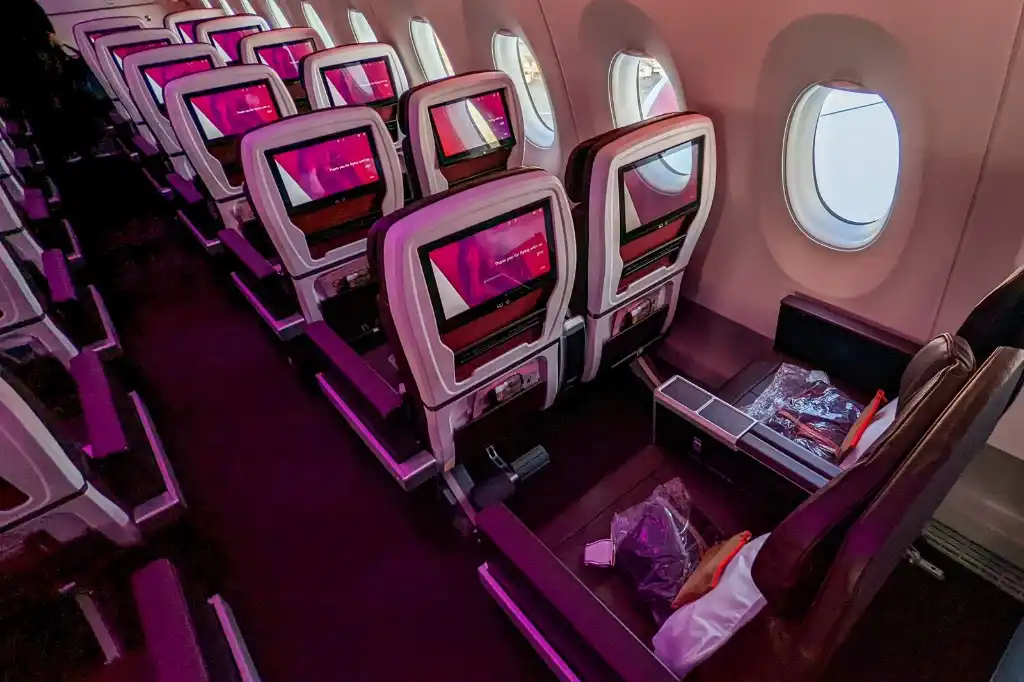
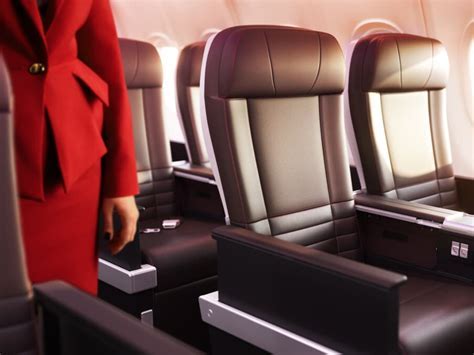
Virgin Atlantic leans into a modern, lifestyle-driven aesthetic. On aircraft like the Airbus A350-1000 and Boeing 787-9 Dreamliner, its Premium cabin feels fresh, vibrant, and intentionally social. Seats like the Safran Reverb and Collins MiQ are upholstered in leather, offering a sleek, contemporary finish with intuitive controls and a noticeably airy layout.
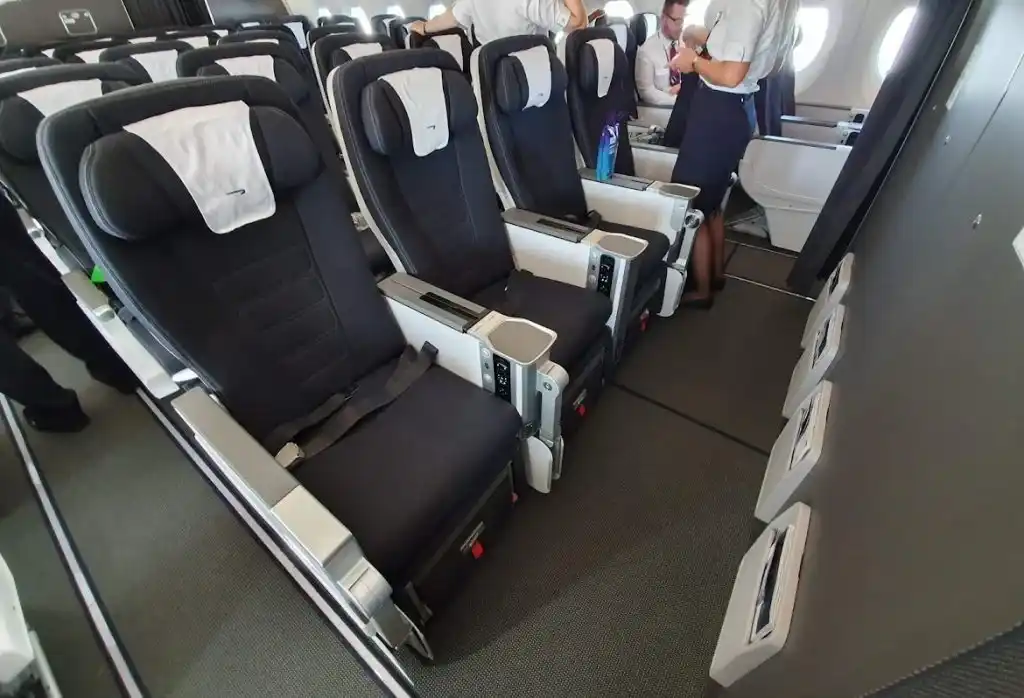
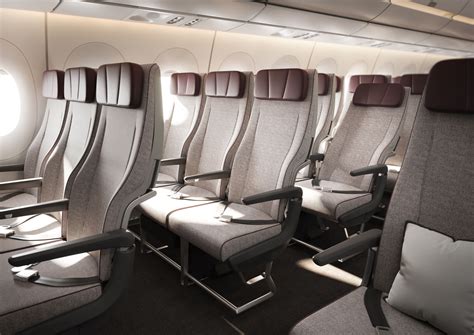
Meanwhile, British Airways—marketing its cabin as World Traveller Plus—has historically lagged in cabin refresh cycles. However, that narrative is shifting. With the rollout of updated interiors across the Boeing 787-9 Dreamliner and Airbus A380 fleets, BA is introducing Recaro seats that feel more structured, private, and refined.
The key difference?
Virgin’s cabin feels relaxed and lifestyle-oriented, while BA leans toward traditional elegance and understated sophistication.
Seat Density and Cabin Size: Space Per Passenger Matters
Premium economy isn’t just about the seat—it’s about how crowded the cabin feels.
Virgin Atlantic configures its aircraft with generous premium economy cabins, especially on the A350-1000 where up to 56 seats are available. On the Airbus A330neo, the number drops slightly but maintains a balanced cabin feel.
British Airways mirrors this on many aircraft, including its Airbus A350-1000 and Airbus A380, with similar seat counts. However, BA’s fleet diversity introduces variability. On older Boeing 777-200ER configurations, the cabin can feel denser and less consistent.
The takeaway is subtle but important:
- Virgin delivers consistency across its fleet
- BA offers variation—sometimes excellent, sometimes dated
For travelers who value predictability, Virgin quietly gains an edge.
Onboard Experience: Service, Dining, and Atmosphere
This is where the competition becomes less about hardware and more about personality.
Virgin Atlantic has built its brand around experience-first travel. Premium passengers receive a welcome drink, upgraded dining, and access to features like the “Wander Wall” snack station—a small but delightful touch that reinforces the airline’s casual luxury identity.
Cabin crew interactions often feel less formal and more engaging, aligning with Virgin’s broader brand tone.
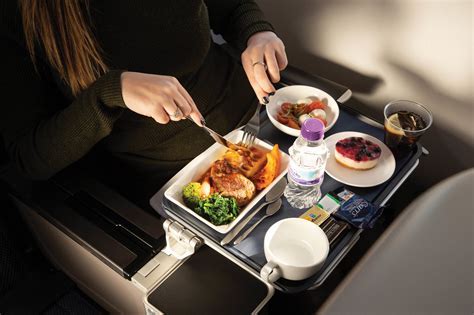
British Airways, by contrast, delivers a polished, structured service flow. Meals are well-presented, amenity kits feel premium, and the overall experience reflects a classic full-service airline ethos. There’s less flair, but also less variability—a dependable experience that business travelers often prefer.
Exclusive Perks and Amenities: The Details That Define Value
Both airlines understand that premium economy passengers expect meaningful upgrades—not just marginal improvements.
Virgin Atlantic includes:
- Two checked bags (23 kg each)
- Priority boarding and check-in
- Enhanced dining and snacks
- Stylish cabin ambiance
British Airways counters with:
- The same generous baggage allowance
- Priority boarding
- Noise-canceling headphones
- Elevated amenity kits
Where things get interesting is connectivity.
British Airways is rolling out free Starlink Wi-Fi, a move that could become a game-changer for long-haul productivity and entertainment. Virgin Atlantic offers Wi-Fi across its fleet, but it remains a paid service in premium economy.
That single factor—free, high-speed connectivity—may tilt the decision for digital professionals and frequent flyers.
Fleet and Aircraft Technology: Comfort Beyond the Seat
Both airlines operate modern long-haul aircraft like the Airbus A350-1000 and Boeing 787 Dreamliner, which bring tangible passenger benefits:
- Higher cabin pressure reduces fatigue
- Improved humidity minimizes dehydration
- Quieter cabins enhance rest
Virgin Atlantic’s fleet is entirely widebody and relatively young, giving it a consistent advantage in onboard environment.
British Airways, while modernizing, still operates older Boeing 777 variants. These aircraft, while reliable, lack some of the refinement and passenger comfort found in newer jets.
Network Strength and Scheduling Power: The Heathrow Advantage
One area where British Airways dominates decisively is network scale.
Operating from Heathrow Airport, BA controls over half of the airport’s slots—a staggering advantage. This translates into:
- More daily departures
- Better connection options
- Greater flexibility in pricing and timing
Virgin Atlantic, with a smaller slot share, focuses heavily on prime transatlantic routes. While its schedule is curated and competitive, it simply cannot match BA’s sheer frequency and connectivity.
For travelers planning complex itineraries or tight connections, BA’s network becomes a decisive advantage.
Pricing Reality: Similar on Average, Wildly Different in Practice
Pricing between the two airlines is deceptively complex.
On average, fares are broadly comparable. However:
- Virgin Atlantic often prices slightly higher during peak demand
- British Airways offers more variability, thanks to its larger schedule
Yet, there are moments when Virgin delivers exceptional value. Promotional fares can undercut BA dramatically, especially on routes like London to New York.
The strategy becomes clear:
- BA rewards flexibility and timing
- Virgin rewards deal hunters and opportunists
Brand Identity and Passenger Experience: Emotion vs Tradition
Choosing between these airlines is not purely rational—it’s also emotional.
Virgin Atlantic appeals to travelers who want flying to feel enjoyable, modern, and slightly unconventional. Its branding, cabin design, and service style all reinforce a sense of effortless cool.
British Airways, on the other hand, delivers heritage, reliability, and structure. It feels like a continuation of classic aviation traditions—refined, predictable, and quietly premium.
Neither approach is inherently better. The difference lies in what kind of journey you value.
Global Rankings and Industry Recognition
In global rankings, Virgin Atlantic consistently outperforms.
According to Skytrax’s 2025 rankings, Virgin Atlantic holds the title for World’s Best Premium Economy Class, placing it ahead of competitors like Japan Airlines and Singapore Airlines.
British Airways, while still highly respected, ranks lower—though firmly within the global top tier.
These rankings reflect a broader truth: Virgin’s product feels more cohesive and consistently executed, while BA’s is still evolving.
Final Verdict: Which Airline Wins Premium Economy?
Declaring a single winner requires cutting through nuance—and making a clear call.
Virgin Atlantic emerges as the stronger premium economy experience overall.
Its advantages are rooted in:
- Consistent, modern cabin design
- Engaging onboard atmosphere
- Strong global recognition
However, British Airways remains a formidable competitor, especially for travelers who prioritize:
- Extensive route networks
- Flexible scheduling
- Upcoming innovations like free Wi-Fi
The reality is not a landslide victory—but a narrow, experience-driven edge.
For travelers seeking style, consistency, and a touch of personality, Virgin Atlantic leads.
For those valuing scale, reliability, and connectivity, British Airways holds its ground with authority.
In the end, the smarter choice isn’t just about the airline—it’s about how you want your journey to feel at 35,000 feet.